Hit enter to search or ESC to close
11 March 2026
Nitrogen is a versatile industrial gas used across a wide range of applications, from food packaging and electronics manufacturing to chemical processing and oil & gas. Efficient and reliable nitrogen distribution systems are crucial for delivering this essential gas safely and consistently. This article provides an in-depth look at nitrogen distribution systems, their components, applications, and considerations for optimal performance. Choosing the right system can significantly impact operational efficiency and product quality.
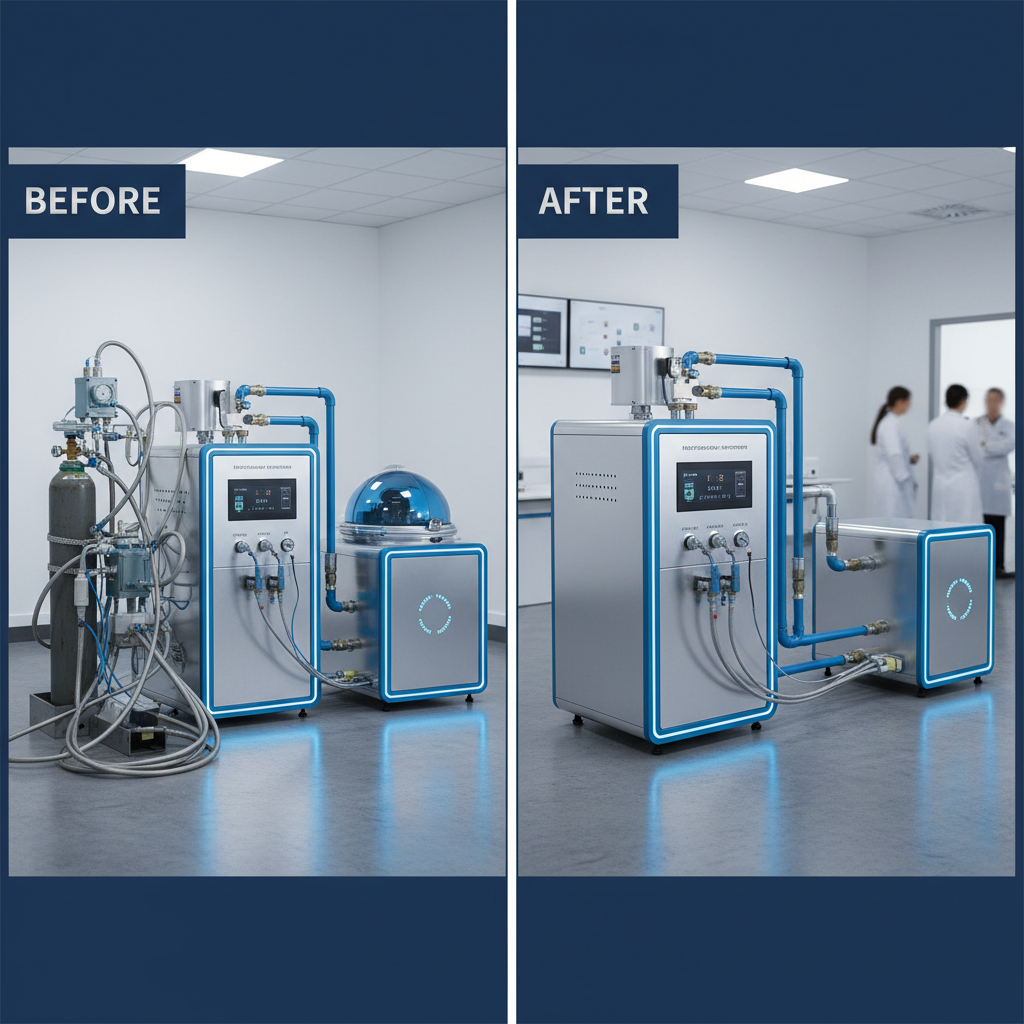
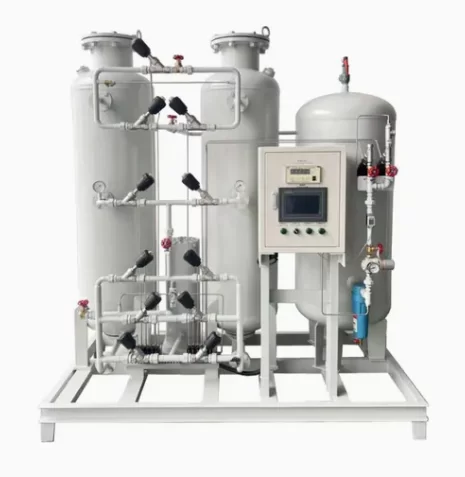
A typical nitrogen distribution system consists of several key components working in harmony. These include a nitrogen source (often a nitrogen generator or bulk liquid nitrogen tank), pressure regulators, flow meters, piping and tubing, control valves, and safety devices. The nitrogen source provides the gas, while pressure regulators control the delivery pressure to meet specific application needs. Flow meters accurately measure the nitrogen flow rate, and piping distributes the gas to various points of use. Control valves manage gas flow, and safety devices, such as relief valves and alarms, protect the system from overpressure and other hazards. Store Oxygen provides comprehensive solutions for all these components.
Key Highlights: A well-maintained nitrogen distribution system ensures consistent gas delivery, enhances safety, and minimizes downtime.
Businesses can obtain nitrogen through two primary methods: on-site generation using a nitrogen generator (typically Pressure Swing Adsorption or PSA), or through bulk liquid nitrogen delivery. Each method has its advantages and disadvantages. On-site generation offers greater control and lower long-term costs, while bulk supply provides immediate availability and requires minimal initial investment. The best choice depends on the specific nitrogen demand, available space, and budget constraints.
Nitrogen Source Comparison:
• Nitrogen Generator: Lower long-term costs, consistent supply, requires space and maintenance.
• Bulk Liquid Nitrogen: Minimal initial investment, immediate availability, subject to supply chain disruptions.
Selecting the appropriate piping material is critical for ensuring the longevity and reliability of your nitrogen distribution system. Common materials include stainless steel, copper, and certain types of plastics. Stainless steel is highly corrosion-resistant and suitable for high-purity applications. Copper offers good thermal conductivity but may be susceptible to corrosion in certain environments. Plastics are lightweight and cost-effective but may have limitations in terms of pressure and temperature ratings. The choice depends on the nitrogen purity requirements, operating pressure, and environmental conditions.
Safety is paramount when designing and operating a nitrogen distribution system. Nitrogen is an asphyxiant, meaning it can displace oxygen and cause suffocation in confined spaces. Proper ventilation, gas detectors, and employee training are essential. Regular inspections of all components, including piping, regulators, and safety devices, are crucial for identifying and addressing potential hazards. Strict adherence to safety protocols and regulatory requirements is non-negotiable. Store Oxygen can provide guidance on safety best practices.
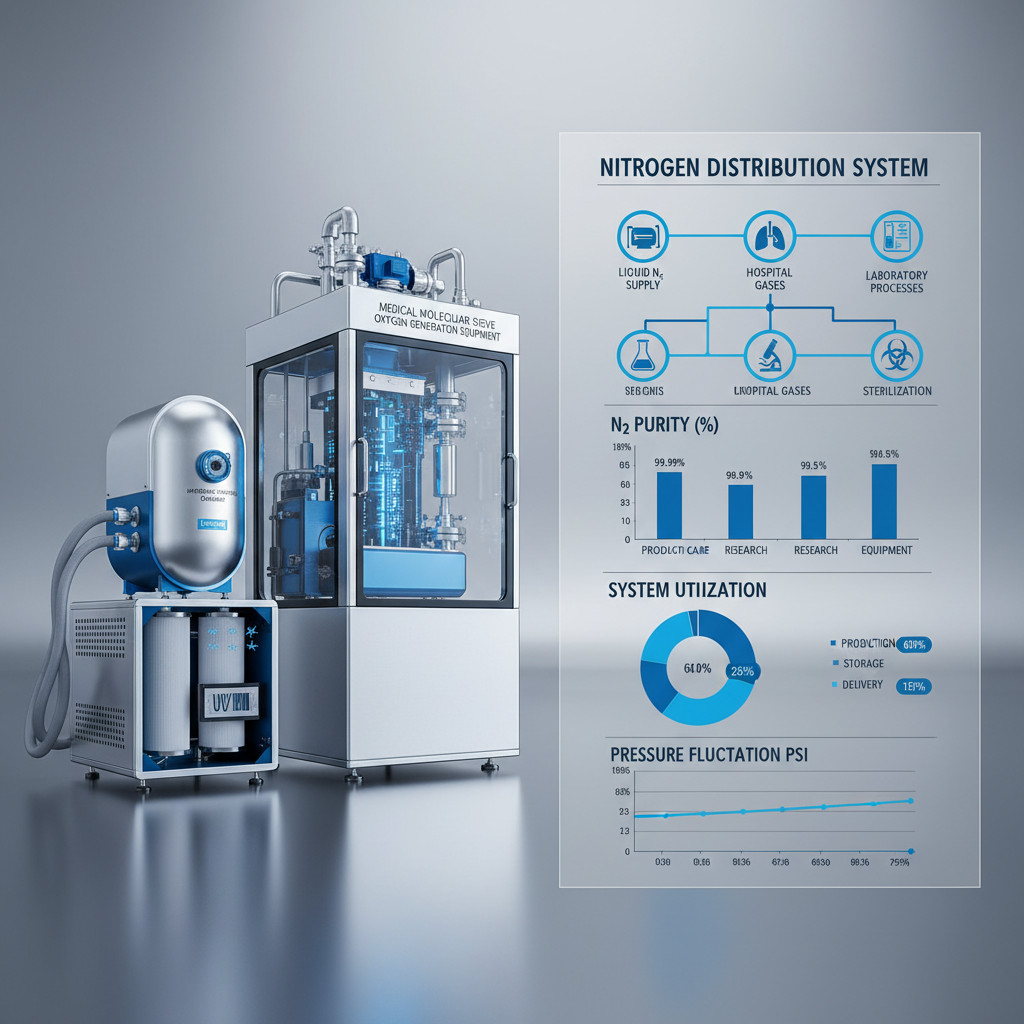
Regular maintenance is key to ensuring the long-term performance and reliability of your nitrogen distribution system. This includes inspecting for leaks, cleaning filters, calibrating flow meters, and replacing worn parts. Implementing a preventative maintenance schedule can minimize downtime and reduce the risk of unexpected failures. Optimizing the system through proper design and component selection can also improve efficiency and reduce operating costs.
A well-designed and maintained nitrogen distribution system is essential for numerous industries. By understanding the key components, choosing the right materials, prioritizing safety, and implementing a preventative maintenance plan, businesses can ensure a reliable and cost-effective nitrogen supply.
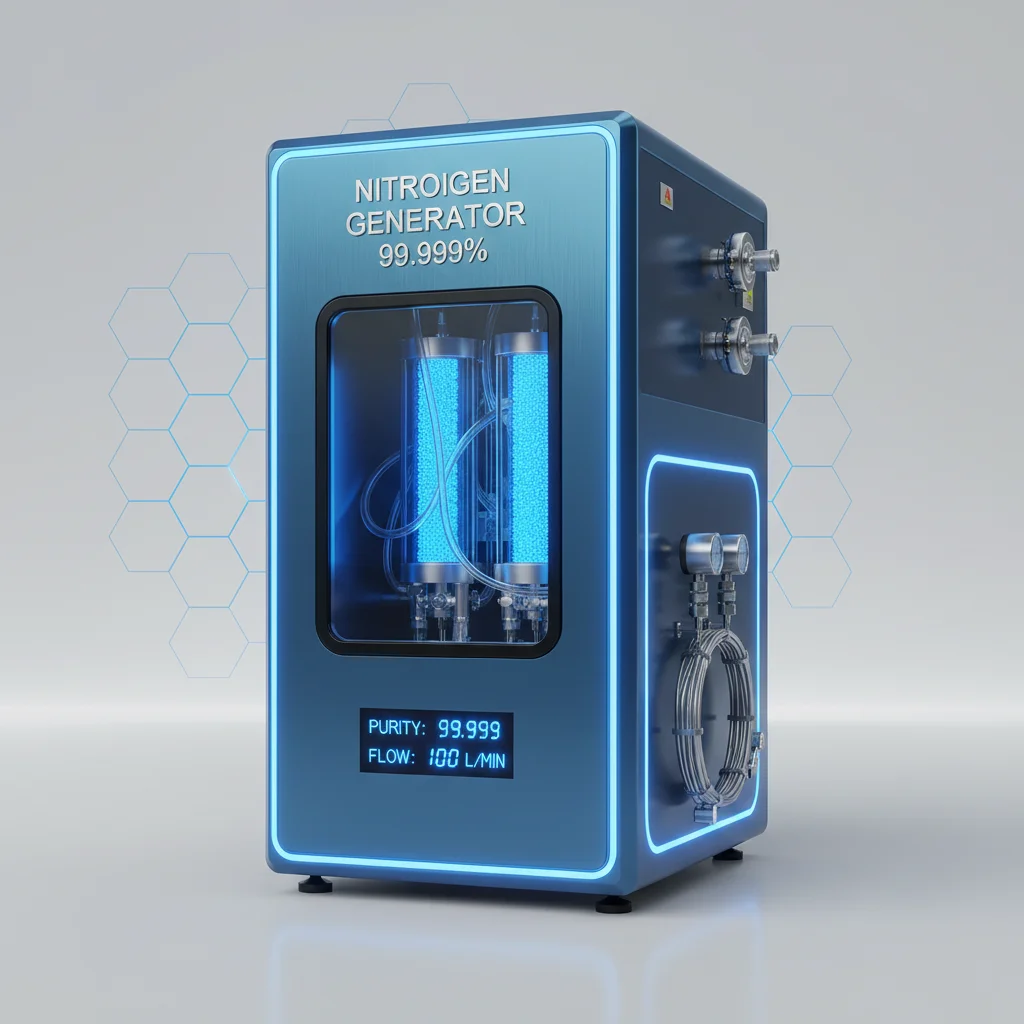
The purity level of nitrogen depends on the source and application requirements. Typical purity levels range from 99.5% to 99.999%. Industries like food packaging and electronics manufacturing often require higher purity levels to prevent contamination. Nitrogen generators can be configured to produce different purity levels based on the specific needs of the application. Regularly monitoring the nitrogen purity is crucial to ensure it meets the required standards.
Regular leak inspections are essential for maintaining the efficiency and safety of your nitrogen distribution system. It is recommended to conduct visual inspections at least monthly, focusing on all connections, valves, and piping. Utilize leak detection solutions (e.g., soap solution) to identify even small leaks. Address any leaks promptly to prevent nitrogen loss and ensure safe operation. Keep a log of all inspections and repairs.
Nitrogen generators offer several advantages over bulk liquid nitrogen. They eliminate the need for cryogenic tank storage, reducing the risks associated with handling liquid nitrogen. They provide a continuous and on-demand supply of nitrogen, removing dependency on external suppliers and potential delivery delays. Over the long term, on-site nitrogen generation is often more cost-effective than purchasing bulk liquid nitrogen, as it eliminates recurring delivery charges.
When working with nitrogen distribution systems, it's crucial to use appropriate safety equipment. This includes personal protective equipment (PPE) such as safety glasses, gloves, and appropriate clothing. Oxygen deficiency monitors are essential in confined spaces or areas where nitrogen leakage is possible. Ensure adequate ventilation in work areas. Familiarize yourself with the system’s safety data sheet (SDS) and emergency procedures.