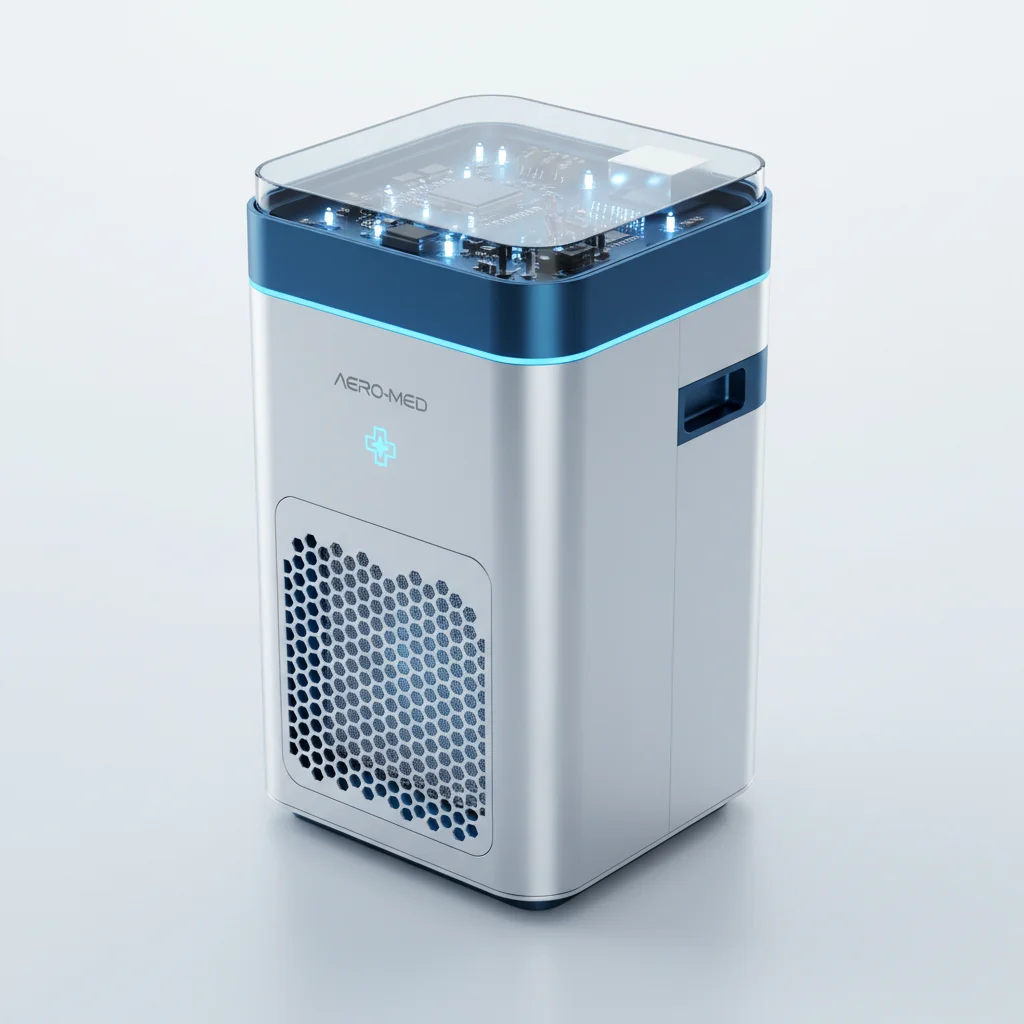
Healthcare air purifiers are becoming increasingly vital in our modern world, addressing growing concerns about indoor air quality and its impact on human health. From hospitals and clinics to homes and offices, these devices play a critical role in mitigating the spread of airborne diseases, reducing allergen exposure, and creating healthier environments. The need for effective healthcare air purification is driven by factors such as rising pollution levels, increased awareness of respiratory illnesses, and a demand for safer, more comfortable indoor spaces.
Globally, the market for healthcare air purifiers is experiencing significant growth, fueled by the COVID-19 pandemic and a heightened focus on infection control. According to the World Health Organization (WHO), approximately 4.2 million deaths annually are attributable to outdoor air pollution. While this statistic primarily focuses on outdoor air, indoor air quality is often equally concerning, with pollutants originating from sources like cooking, cleaning products, and building materials. This necessitates the use of technologies like healthcare air purifier to ensure safe breathing environments.
Understanding the principles and applications of healthcare air purifier is essential for healthcare professionals, facility managers, and individuals alike. These systems offer a proactive approach to protecting vulnerable populations, improving patient outcomes, and enhancing overall well-being. By employing advanced filtration technologies and innovative designs, healthcare air purifiers are transforming the way we perceive and manage indoor air quality.
The Significance of Healthcare Air Purification
The rising prevalence of respiratory illnesses and airborne pathogens underscores the critical importance of maintaining pristine air quality, particularly within healthcare facilities. Healthcare air purifiers aren’t merely about removing dust; they're integral to infection control, reducing hospital-acquired infections (HAIs) and safeguarding the health of patients, staff, and visitors.
Investing in robust healthcare air purification systems demonstrates a commitment to patient safety and a proactive approach to public health. The benefits extend beyond infection control, including improved comfort for individuals with allergies or asthma, enhanced cognitive function, and a more productive work environment. A healthcare air purifier represents a vital investment in overall well-being.
Defining Healthcare Air Purifiers
A healthcare air purifier is a device designed to remove contaminants from the air, specifically tailored for use in medical environments. Unlike standard air purifiers, healthcare-grade units often incorporate advanced filtration technologies, such as High-Efficiency Particulate Air (HEPA) filters, activated carbon filters, and Ultraviolet Germicidal Irradiation (UVGI), to capture and neutralize a broader spectrum of airborne particles, including viruses, bacteria, and volatile organic compounds (VOCs).
The connection to modern industry and humanitarian needs is strong. In healthcare, these systems create safer environments for vulnerable patients. In disaster relief, portable healthcare air purifier units can rapidly improve air quality in temporary medical facilities. And in areas with high levels of air pollution, they provide a critical layer of protection for public health, offering a sustainable solution to respiratory concerns.
These devices are engineered to meet stringent standards and regulations, ensuring they deliver the required level of performance and reliability in demanding healthcare settings. The goal is to continuously circulate and clean the air, reducing the risk of airborne transmission of infectious diseases and improving the overall indoor environment.
Core Components and Functionality
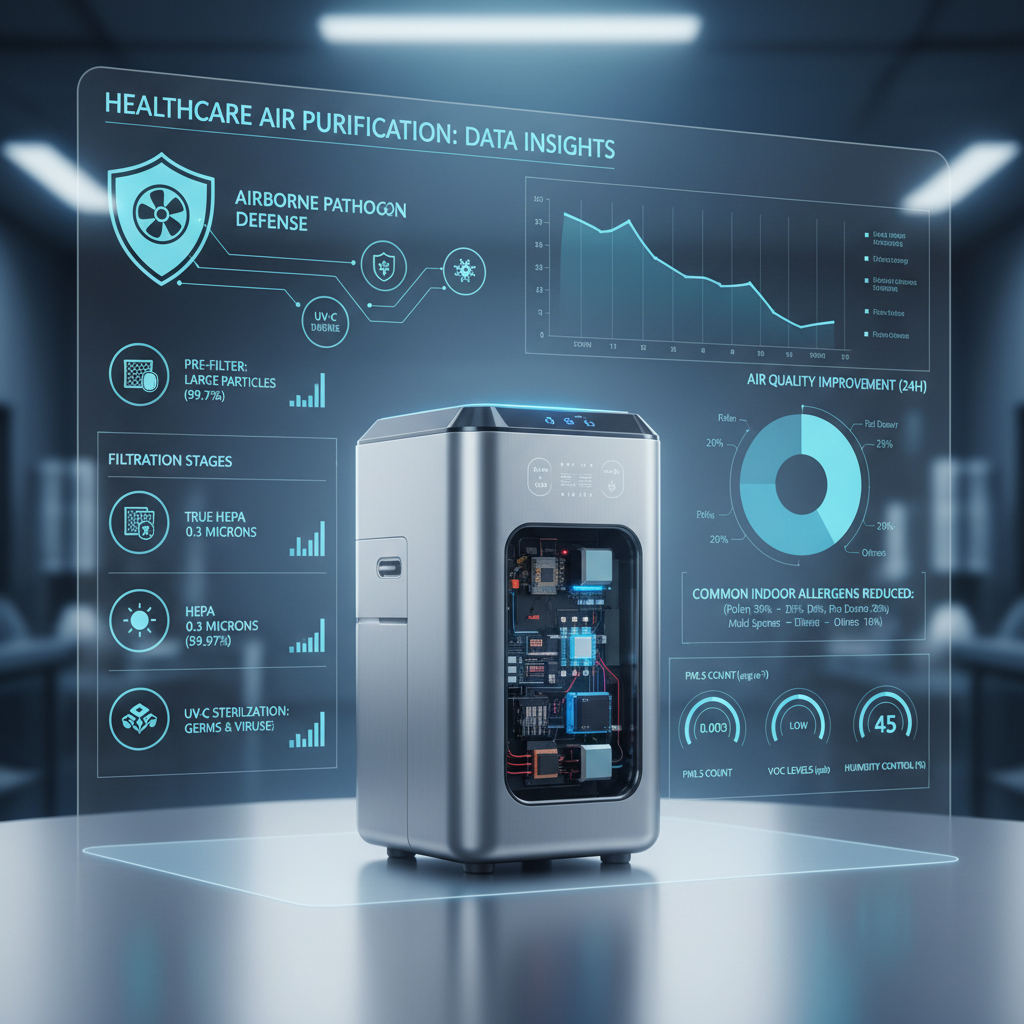
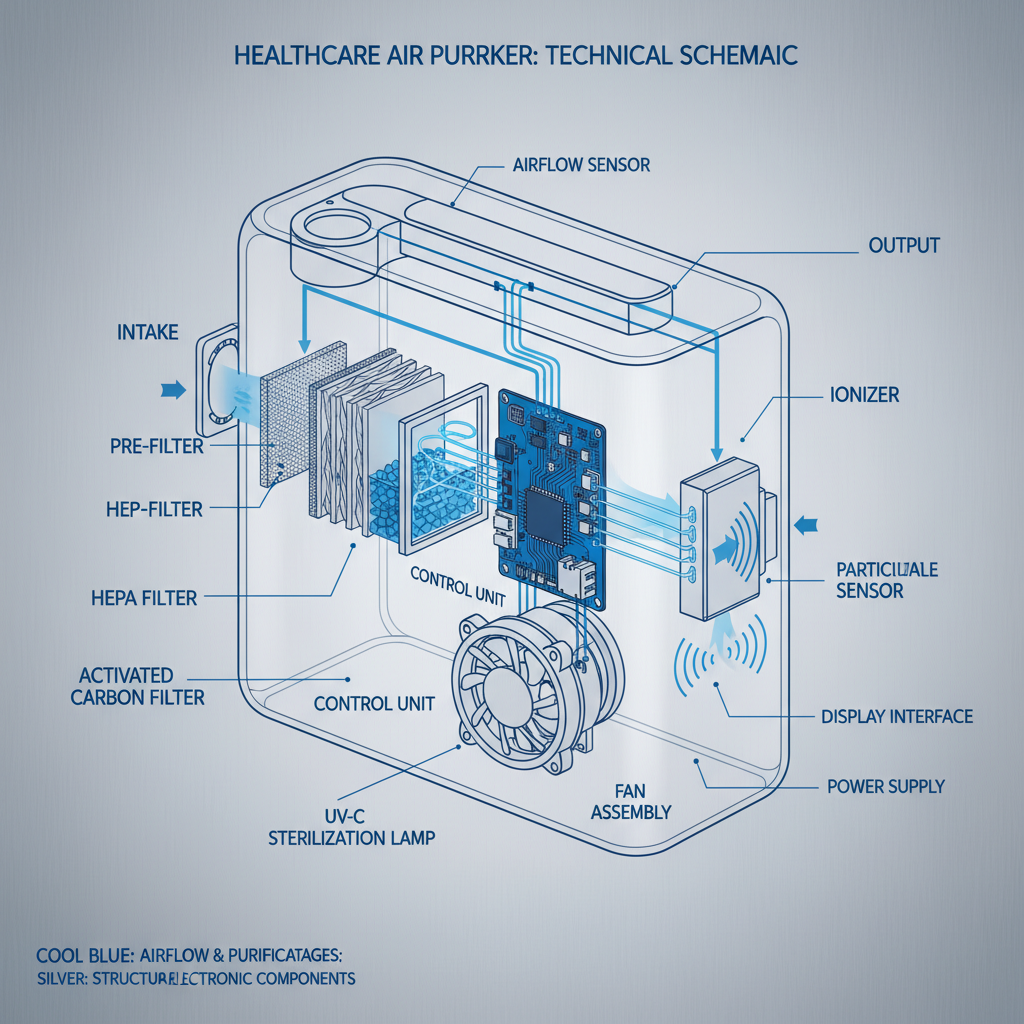
Healthcare air purifiers rely on a combination of technologies to effectively remove airborne contaminants. Key components include pre-filters, which capture large particles like dust and pollen; HEPA filters, which remove at least 99.97% of particles 0.3 microns in size; activated carbon filters, which absorb odors, gases, and VOCs; and UVGI lamps, which use ultraviolet light to kill bacteria and viruses. These components work synergistically to deliver clean, purified air.
The functionality of a healthcare air purifier extends beyond simple filtration. Airflow patterns are carefully engineered to maximize air circulation and ensure that contaminants are drawn into the unit effectively. Advanced models often incorporate sensors that monitor air quality in real-time, automatically adjusting fan speed and filtration levels to optimize performance. This dynamic adjustment based on air quality enhances the purifier’s efficiency.
Understanding these core components and how they work together is crucial for selecting the right healthcare air purifier for a specific application. Factors such as room size, contaminant levels, and specific healthcare needs will influence the choice of filtration technologies and airflow rates.
Key Performance Indicators for Healthcare Air Purifiers
Evaluating the effectiveness of a healthcare air purifier requires considering several key performance indicators (KPIs). These metrics help determine whether a unit is delivering the necessary level of air purification for a given environment. One crucial KPI is the Clean Air Delivery Rate (CADR), which measures the volume of clean air produced per hour.
Another important metric is the Minimum Efficiency Reporting Value (MERV) rating, which indicates the filter's ability to capture particles of different sizes. Healthcare facilities typically require air purifiers with high MERV ratings, specifically HEPA filters with a MERV rating of 17-20. Finally, energy efficiency, noise levels, and maintenance requirements are also important considerations when evaluating a healthcare air purifier.
Healthcare Air Purifier Performance Comparison
Global Applications in Healthcare Settings
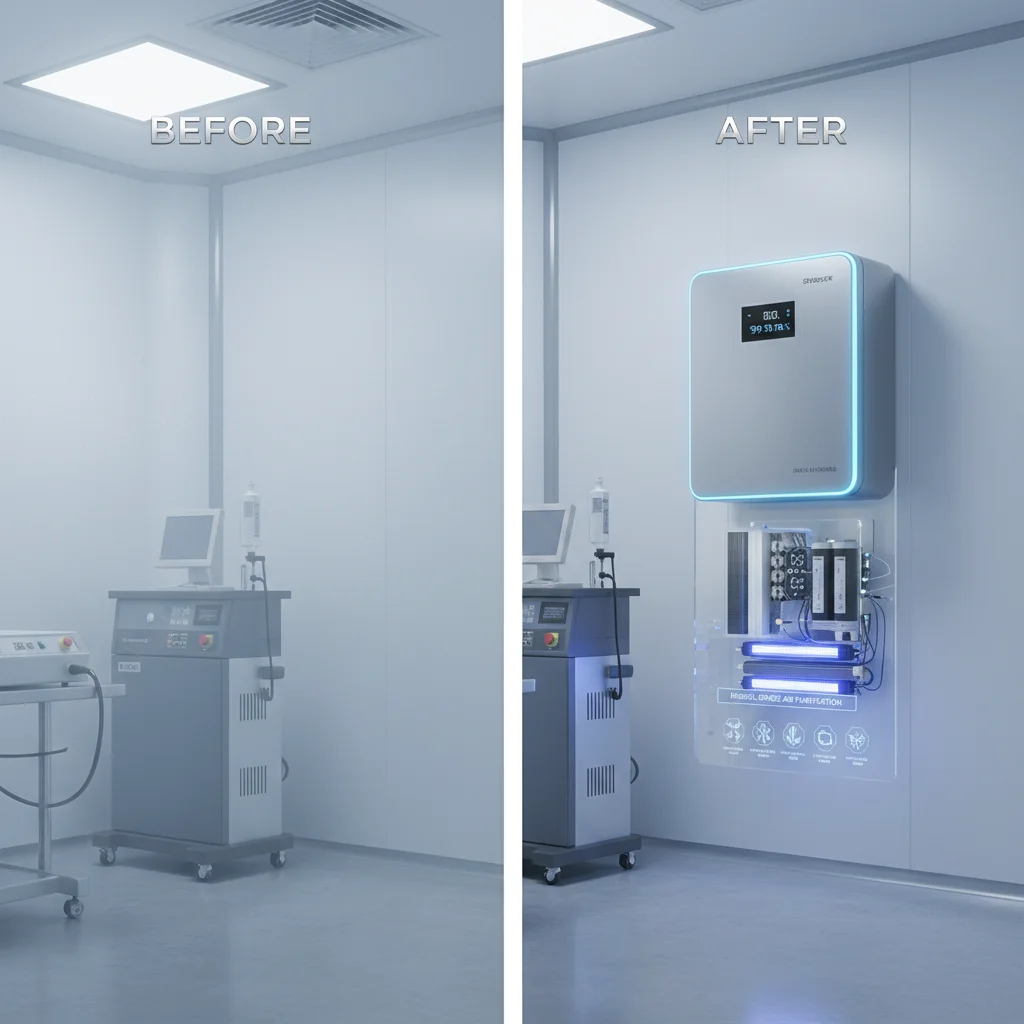
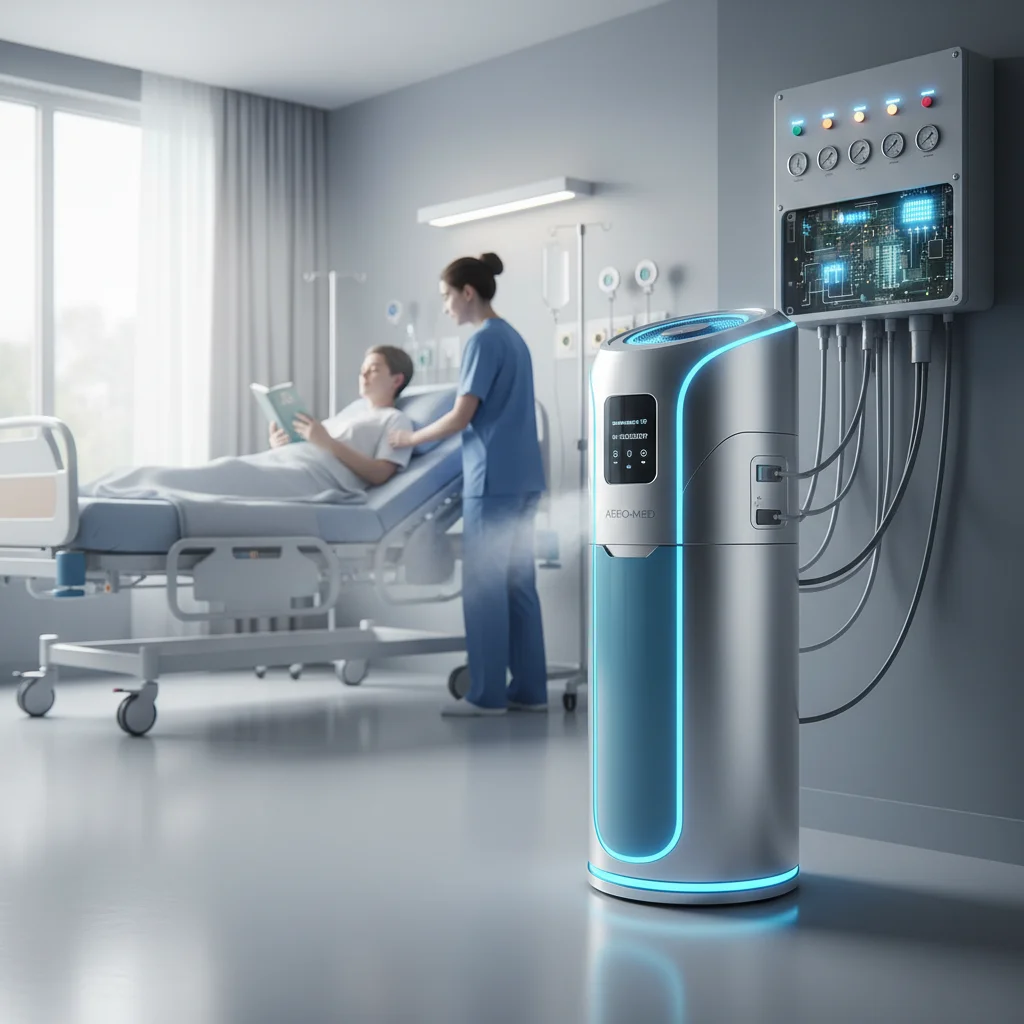
Healthcare air purifiers find widespread application across various healthcare settings. In hospitals, they are used in operating rooms, intensive care units (ICUs), and patient rooms to minimize the risk of airborne infections. Clinics and dental offices also benefit from improved air quality, protecting both patients and practitioners.
Beyond traditional healthcare facilities, portable healthcare air purifier units are deployed in emergency response situations, such as during pandemics or natural disasters, to rapidly establish clean air zones in temporary medical facilities. They are also utilized in laboratories, pharmacies, and long-term care facilities to maintain a safe and healthy environment.
Advantages and Long-Term Value Proposition
Investing in healthcare air purifiers offers numerous tangible and intangible benefits. Reduced healthcare-associated infections (HAIs) lead to lower treatment costs and improved patient outcomes. Improved air quality also contributes to a more comfortable and productive environment for healthcare workers.
From a sustainability perspective, healthcare air purifier can reduce the reliance on energy-intensive ventilation systems. The long-term value proposition extends beyond cost savings to encompass enhanced patient safety, improved public health, and a strengthened reputation for healthcare providers committed to providing the highest standards of care.
The emotional impact of knowing that a healthcare facility is prioritizing air quality is also significant. Patients and their families feel safer and more confident in the care they are receiving, fostering trust and loyalty.
Future Trends in Healthcare Air Purification
The future of healthcare air purification is poised for innovation, driven by advancements in materials science, sensor technology, and data analytics. We can expect to see more sophisticated air purifiers with integrated sensors that continuously monitor air quality and adjust filtration levels automatically. The integration of artificial intelligence (AI) and machine learning (ML) will enable predictive maintenance and optimized performance.
There's a growing focus on developing more energy-efficient and sustainable air purification technologies. This includes exploring new filtration materials and optimizing airflow designs to minimize energy consumption. Furthermore, the development of portable, wearable air purification devices may become increasingly prevalent, offering personalized protection against airborne contaminants.
The convergence of digital health and air purification will also lead to the development of connected air purification systems that can be remotely monitored and controlled, providing real-time insights into air quality and system performance.
Summary of Key Challenges and Potential Solutions in Healthcare Air Purification
| Challenge Area |
Impact on Healthcare Air Purifier |
Potential Solutions |
Implementation Difficulty (1-5, 5=Highest) |
| High Initial Cost |
Limits accessibility, especially in resource-constrained settings. |
Leasing models, government subsidies, and development of more affordable technologies. |
3 |
| Maintenance Requirements |
Filter replacements and system checks are essential, adding operational costs. |
Automated maintenance alerts, longer-lasting filters, and remote monitoring. |
2 |
| Noise Levels |
Can disrupt patient care and create an unpleasant environment. |
Development of quieter fan technologies and soundproofing materials. |
4 |
| Energy Consumption |
High energy usage contributes to operational costs and environmental impact. |
Energy-efficient motors, optimized airflow designs, and integration with renewable energy sources. |
3 |
| Lack of Standardization |
Makes it difficult to compare different products and ensure consistent performance. |
Development of industry standards and certification programs. |
5 |
| Airflow Distribution |
Poor airflow can lead to uneven air purification and dead zones. |
Computational fluid dynamics (CFD) modeling to optimize airflow patterns. |
4 |
FAQS
HEPA filters are far more effective at capturing airborne particles than standard air filters. They are designed to remove at least 99.97% of particles 0.3 microns in size, while standard filters typically capture larger particles. This makes HEPA filters essential for healthcare settings where infection control is paramount. They’re crucial for healthcare air purifier systems needing optimal filtration.
The frequency of filter replacement depends on several factors, including the type of filter, the air quality in the environment, and the usage of the air purifier. Typically, pre-filters should be replaced every 1-3 months, HEPA filters every 6-12 months, and activated carbon filters every 3-6 months. Regular maintenance is vital for maintaining the healthcare air purifier’s efficiency.
Some healthcare air purifiers can be noisy, particularly at higher fan speeds. However, many modern units are designed with noise reduction technology to minimize disruption. Look for models with a low decibel rating, especially if they will be used in patient rooms or quiet areas. Consider the dB rating when choosing a healthcare air purifier.
Yes, UVGI (Ultraviolet Germicidal Irradiation) technology can be highly effective at killing airborne viruses and bacteria. However, it's important that the UVGI system is designed and installed correctly to ensure adequate exposure time and intensity. Combining UVGI with HEPA filtration provides a comprehensive approach to air purification. It's a key component of many healthcare air purifier designs.
The appropriate size of a healthcare air purifier depends on the room's square footage and ceiling height. Consult the manufacturer's specifications to determine the CADR (Clean Air Delivery Rate) required for your space. It's generally better to choose a unit with a CADR slightly higher than needed to ensure adequate air circulation and purification. Proper sizing is critical for a healthcare air purifier.
The cost of a healthcare air purifier can vary significantly depending on its features, filtration technology, and size. Basic models may start around $200, while advanced units with HEPA filters, UVGI, and smart features can cost $1000 or more. Consider the total cost of ownership, including filter replacements and energy consumption, when making your decision. Investing in quality, like a healthcare air purifier, is a long-term health investment.
Conclusion
In conclusion, healthcare air purifiers represent a crucial investment in safeguarding public health and improving the quality of life. From mitigating the spread of airborne infections to creating more comfortable and productive environments, these devices offer a wide range of benefits. Understanding the core components, key performance indicators, and future trends in healthcare air purification is essential for making informed decisions.
As technology continues to advance, we can expect to see even more sophisticated and effective healthcare air purification systems emerge. By embracing these innovations and prioritizing air quality, we can create healthier and safer environments for all. To explore a wide range of healthcare air purifier solutions tailored to your specific needs, visit our website: www.storeoxygen.com.