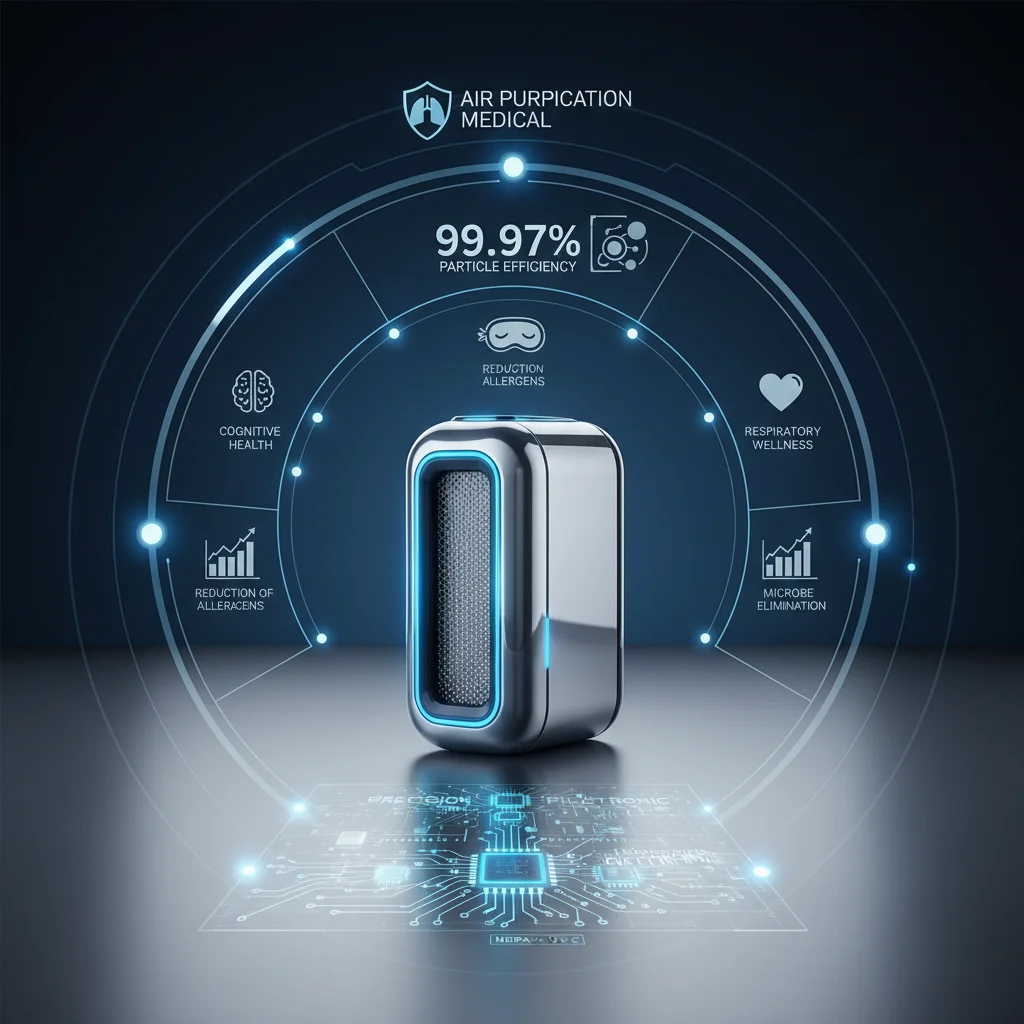
Medical air filters are crucial components in maintaining sterile and safe environments within healthcare facilities, laboratories, and even industrial settings. The global demand for these filters is steadily increasing, driven by rising concerns about airborne diseases, stricter regulatory standards for air quality, and the growth of the pharmaceutical and biotechnology industries. Understanding the nuances of medical air filter technology is essential for ensuring patient safety, protecting sensitive research, and optimizing operational efficiency.
The significance of effective medical air filtration extends beyond the walls of hospitals. Consider the rising incidence of respiratory illnesses worldwide, exacerbated by factors like pollution and climate change. High-efficiency medical air filters play a vital role in mitigating these risks, particularly for vulnerable populations. Furthermore, advancements in personalized medicine and gene therapy require increasingly stringent air quality control to prevent contamination and ensure the integrity of sensitive procedures.
Investing in advanced medical air filter systems translates directly into improved health outcomes, reduced healthcare costs associated with infections, and increased public trust in healthcare providers. This makes the ongoing development and implementation of innovative medical air filter solutions a critical priority for both public health organizations and private sector companies focused on air purification technologies.
Introduction to medical air filter
Medical air filters are specialized filtration systems designed to remove airborne particles, bacteria, viruses, and other contaminants from the air supply in healthcare environments. These filters are a critical component of HVAC (Heating, Ventilation, and Air Conditioning) systems, ensuring a clean and safe atmosphere for patients, medical staff, and visitors. The efficiency of a medical air filter is typically measured by its Minimum Efficiency Reporting Value (MERV) rating, with higher MERV ratings indicating better filtration capabilities.
The precise engineering of these filters involves multiple layers of filtration media, often incorporating HEPA (High-Efficiency Particulate Air) technology to capture extremely small particles. Maintaining the integrity of these filters is paramount, as even minor breaches can compromise air quality and potentially lead to hospital-acquired infections. Regular inspection, maintenance, and timely replacement of medical air filter are therefore essential best practices.
The Global Importance of medical air filter
The need for effective medical air filtration is a global concern, underscored by data from organizations like the World Health Organization (WHO) and the Centers for Disease Control and Prevention (CDC). These agencies highlight the significant impact of airborne pathogens on public health, particularly within healthcare settings. The COVID-19 pandemic dramatically illustrated the importance of controlling airborne transmission, accelerating the demand for advanced filtration technologies. The ISO 14644-1 standard is a globally recognized benchmark for cleanroom air quality, driving the adoption of higher-performance medical air filter in pharmaceutical manufacturing and research facilities.
According to a recent report by Grand View Research, the global air filter market is projected to reach $13.7 billion by 2028, with the medical segment experiencing the fastest growth. This growth is fueled by increasing investments in healthcare infrastructure, stringent air quality regulations, and the rising prevalence of chronic respiratory diseases. Developing nations are also prioritizing air quality improvements, creating new market opportunities for medical air filter manufacturers.
A key challenge remains in ensuring equitable access to effective air filtration technologies, particularly in resource-limited settings. Innovations in cost-effective filtration solutions and sustainable manufacturing practices are crucial for addressing this challenge and protecting vulnerable populations worldwide.
Defining medical air filter Technology
A medical air filter is specifically engineered to remove contaminants from the air circulated within healthcare facilities. Unlike general-purpose air filters, medical air filters are designed to capture microscopic particles, including bacteria, viruses, fungal spores, and dust, with a high degree of efficiency. They play a critical role in preventing the spread of healthcare-associated infections (HAIs) and maintaining a sterile environment for sensitive medical procedures.
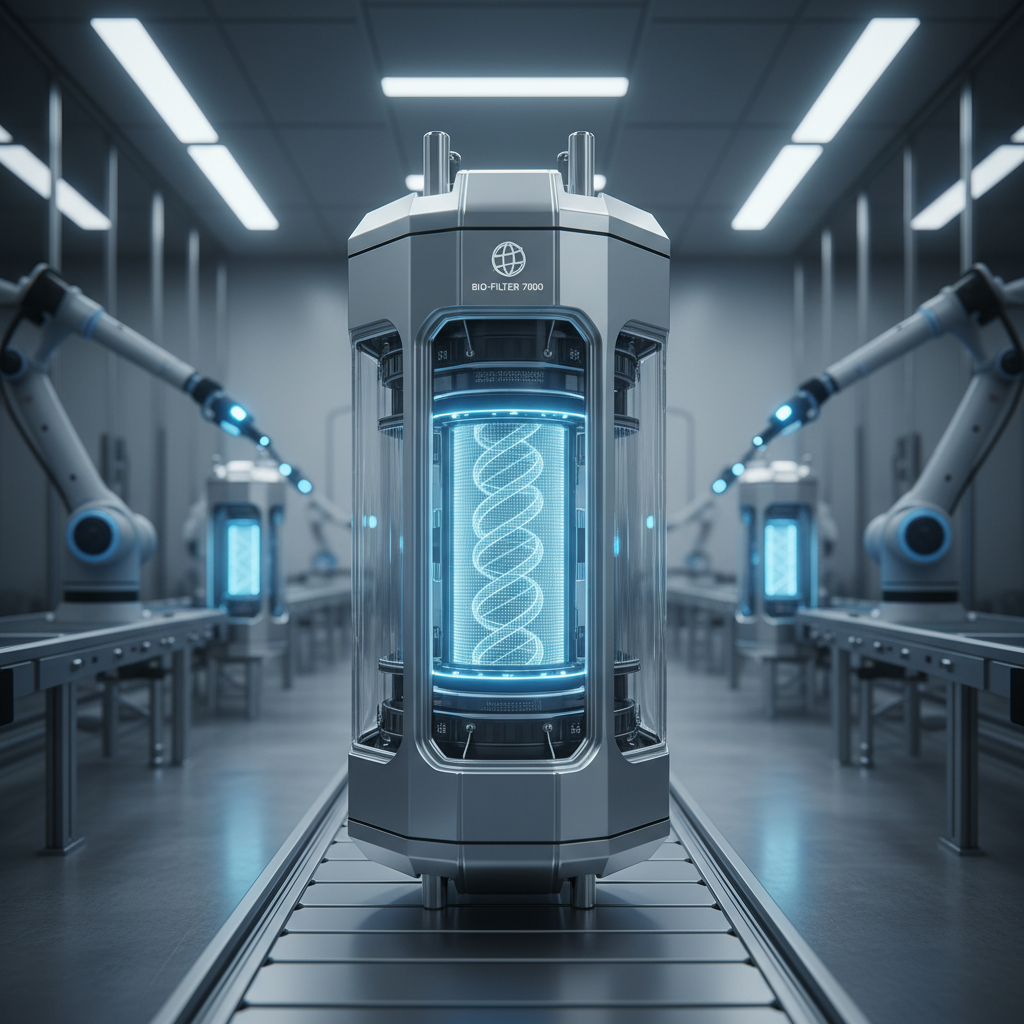
The connection between medical air filter technology and modern industry stems from the stringent requirements of pharmaceutical manufacturing, biotechnology research, and semiconductor production. These industries demand ultra-clean air environments to prevent product contamination and ensure quality control. As a result, medical air filter technology has been adapted and refined to meet the unique challenges of these diverse applications.
Furthermore, medical air filtration is increasingly important in addressing humanitarian needs, such as providing clean air in disaster relief operations and protecting vulnerable populations from airborne pollutants. Mobile and portable medical air filter units are becoming essential tools for rapidly establishing clean air zones in emergency situations.
Core Components of Effective medical air filter Systems
Several key factors contribute to the effectiveness of a medical air filter system. Efficiency is paramount, measured by the MERV rating, with HEPA filters achieving a MERV rating of 17-20, capturing 99.97% of particles 0.3 microns in size. Filtration Media plays a significant role, with options including synthetic fibers, fiberglass, and electrostatic materials. The choice of media impacts airflow resistance and contaminant capture rate.
Airflow Rate is crucial; the filter must allow adequate air circulation without compromising filtration efficiency. A properly sized filter ensures the system doesn’t overwork, extending its lifespan. Durability is vital for long-term performance. Filters constructed from robust materials withstand continuous operation and resist degradation. Finally, Sealing is essential; any gaps around the filter allow unfiltered air to bypass the system, reducing its effectiveness.
medical air filter Performance Metrics
Global Applications and Use Cases
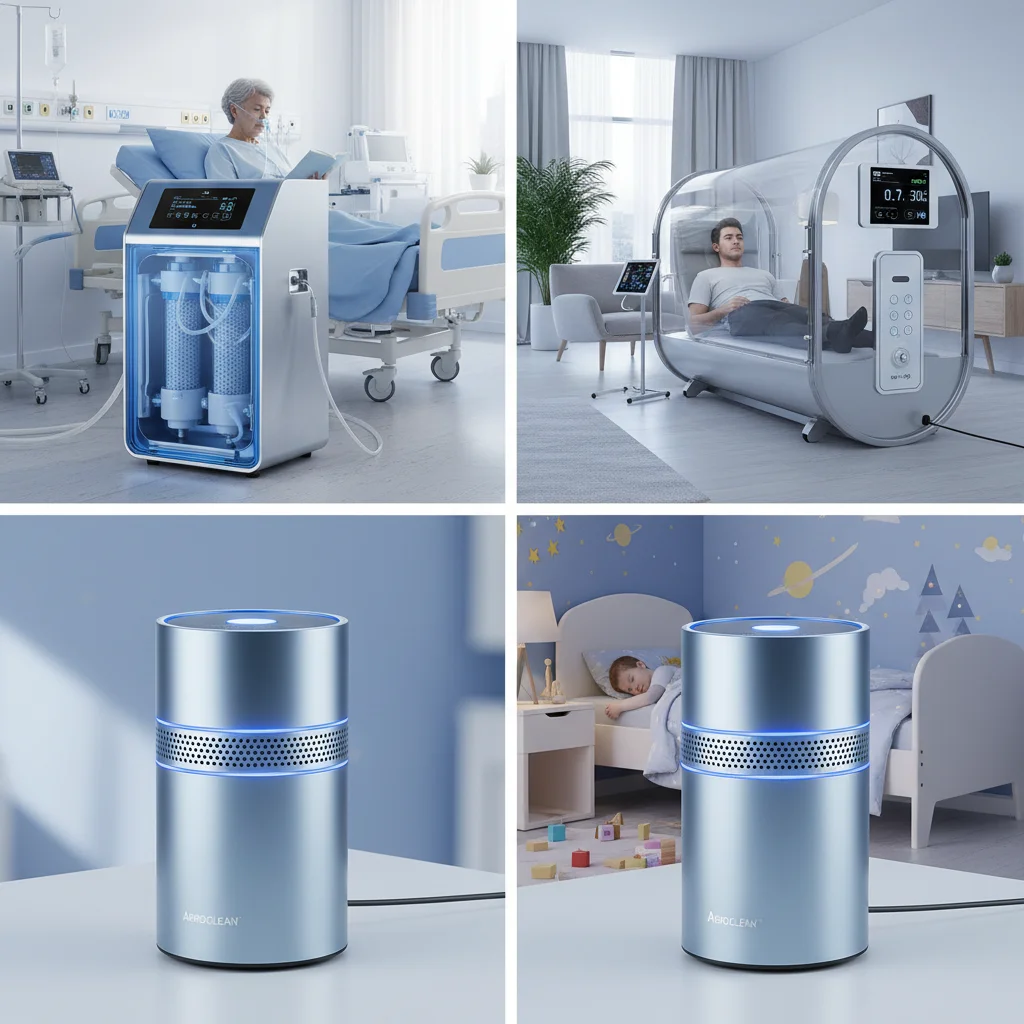
Medical air filters find widespread application across various sectors. In hospitals, they are integral to operating rooms, intensive care units, and isolation wards, safeguarding patients and staff from airborne infections. Pharmaceutical manufacturing facilities utilize these filters to maintain the sterility of production environments and prevent product contamination. Research laboratories employ them to protect sensitive experiments and ensure the accuracy of results.
In post-disaster relief operations, portable medical air filter units are deployed to establish clean air zones in temporary shelters and medical facilities, providing relief to affected populations. Remote industrial zones, such as mining operations and oil refineries, benefit from these filters to protect workers from exposure to hazardous airborne particles. Furthermore, increasingly, dental practices are investing in advanced air filtration systems to enhance patient and staff safety.
Advantages and Long-Term Value
Investing in high-quality medical air filters delivers tangible benefits, starting with reduced healthcare costs through minimized hospital-acquired infections. The enhanced air quality improves patient outcomes and reduces the length of hospital stays. From a sustainability perspective, advanced filters often require less frequent replacement, minimizing waste and lowering operational expenses. The emotional value lies in the peace of mind knowing that patients and staff are breathing clean, safe air.
Beyond the immediate cost savings, effective medical air filtration fosters a culture of safety and innovation within healthcare organizations. It builds trust with patients and families, demonstrating a commitment to providing the highest standard of care. The reliability of these systems, combined with their long-term value, makes them a sound investment for any healthcare facility.
Future Trends and Innovations
The future of medical air filtration is poised for significant advancements. Researchers are exploring the use of nanomaterials and advanced polymers to create filters with even higher efficiency and lower airflow resistance. Smart filters equipped with sensors and data analytics are emerging, providing real-time monitoring of air quality and predicting filter lifespan. The integration of ultraviolet (UV) sterilization technology into filter systems offers an additional layer of protection against airborne pathogens.
Green energy solutions, such as solar-powered air filtration units, are gaining traction, reducing the environmental impact of these systems. Digital transformation is enabling remote monitoring and control of air filtration systems, optimizing performance and reducing maintenance costs. Automation is streamlining the filter replacement process, minimizing downtime and ensuring consistent air quality. Sustainability remains a key focus, driving the development of biodegradable and recyclable filter materials.
These advancements aim to create more efficient, cost-effective, and environmentally friendly medical air filter solutions, ultimately enhancing public health and safety.
Summary of Key Challenges and Solutions in Medical Air Filter Technology
| Challenge |
Impact on Performance |
Proposed Solution |
Implementation Cost (1-10) |
| High Initial Cost |
Limits access for smaller facilities |
Leasing programs and modular filter systems |
5 |
| Filter Clogging |
Reduced airflow and efficiency |
Pre-filters and automated filter change reminders |
3 |
| Poor System Sealing |
Bypass of unfiltered air |
Professional installation and regular seal inspections |
4 |
| Lack of Real-Time Monitoring |
Delayed detection of filter failures |
Integrated sensor technology and data analytics |
7 |
| Energy Consumption |
Increased operating costs |
Energy-efficient fan motors and optimized filter design |
6 |
| Disposal of Used Filters |
Environmental concerns |
Recycling programs and biodegradable filter materials |
8 |
FAQS
MERV (Minimum Efficiency Reporting Value) ratings indicate a filter's ability to capture particles of different sizes. Higher MERV ratings mean better filtration. HEPA (High-Efficiency Particulate Air) filters are a specific type of filter that must capture at least 99.97% of particles 0.3 microns in size, achieving a MERV rating of 17-20. Therefore, a HEPA filter is a subset of filters with a guaranteed level of performance, while MERV is a broader categorization.
The frequency of medical air filter replacement depends on several factors, including the filter’s MERV rating, the level of contamination in the environment, and the manufacturer’s recommendations. Generally, pre-filters should be changed every 1-3 months, while HEPA filters may last 6-12 months or longer. Regular inspections and pressure drop monitoring are crucial for determining optimal replacement schedules. Ignoring this leads to reduced efficiency.
Consider the specific application (operating room, lab, etc.), the required level of filtration (MERV rating), airflow requirements, physical dimensions of the filter housing, and the overall cost-effectiveness. Also important are factors like filter media type, energy efficiency, and the manufacturer’s reputation for quality and reliability.
High-efficiency medical air filters, particularly those with HEPA certification, can effectively remove airborne particles carrying viruses like COVID-19. They don’t necessarily kill the virus, but they capture it, preventing it from circulating in the air. Combining filtration with other measures, like ventilation and disinfection, provides a comprehensive approach to infection control.
Pre-filters are designed to capture larger particles, such as dust, pollen, and lint, before they reach the more expensive and critical HEPA filter. This extends the lifespan of the HEPA filter, reduces pressure drop, and improves overall system efficiency. Regularly changing pre-filters is essential for maintaining optimal performance.
Yes, the market is seeing increasing development of sustainable options. These include filters made from recycled materials, biodegradable filter media, and systems designed for easier component recycling. Manufacturers are also focusing on reducing energy consumption through more efficient filter designs and fan motors, reducing the environmental impact of air filtration systems.
Conclusion
In conclusion, medical air filters are indispensable components of modern healthcare and numerous other industries. Their ability to remove airborne contaminants is critical for protecting patient health, ensuring research integrity, and maintaining safe working environments. Advancements in filtration technology, coupled with a growing awareness of air quality’s importance, are driving continuous improvements in efficiency, sustainability, and cost-effectiveness. Investing in high-quality medical air filter systems represents a vital step towards a healthier and safer future.
Looking ahead, prioritizing research and development in innovative filter materials, smart monitoring systems, and sustainable manufacturing practices will be paramount. Collaboration between healthcare professionals, engineers, and policymakers is essential to establish and enforce stringent air quality standards. By embracing these advancements and adopting proactive maintenance strategies, we can unlock the full potential of medical air filtration and safeguard public health for generations to come.