Hit enter to search or ESC to close
Okay, let's talk oxygen gas plants. You know, I've been traipsing around construction sites and factories for years now, and honestly, the demand is way up. Not just hospitals, either. Industrial welding, aquaculture, even these new vertical farms… everyone needs a reliable oxygen supply. It’s a simple thing, oxygen, but getting it consistently and affordably? That’s where it gets tricky. We're seeing a big push for on-site generation, less reliance on those liquid oxygen tankers. Seems like everyone's worried about supply chain stuff, understandably.
It’s not glamorous work, I’ll tell you that much. A lot of folks think building an oxygen plant is just plugging things together. It’s… not. There’s a lot that can go wrong, a lot. And frankly, most of the problems come down to cutting corners on design.
To be honest, I’ve seen some real disasters. Plants that looked perfect on paper, but couldn’t handle the humidity in a coastal environment. Control systems that were overly complicated and prone to failure. It's always the little things, isn't it?
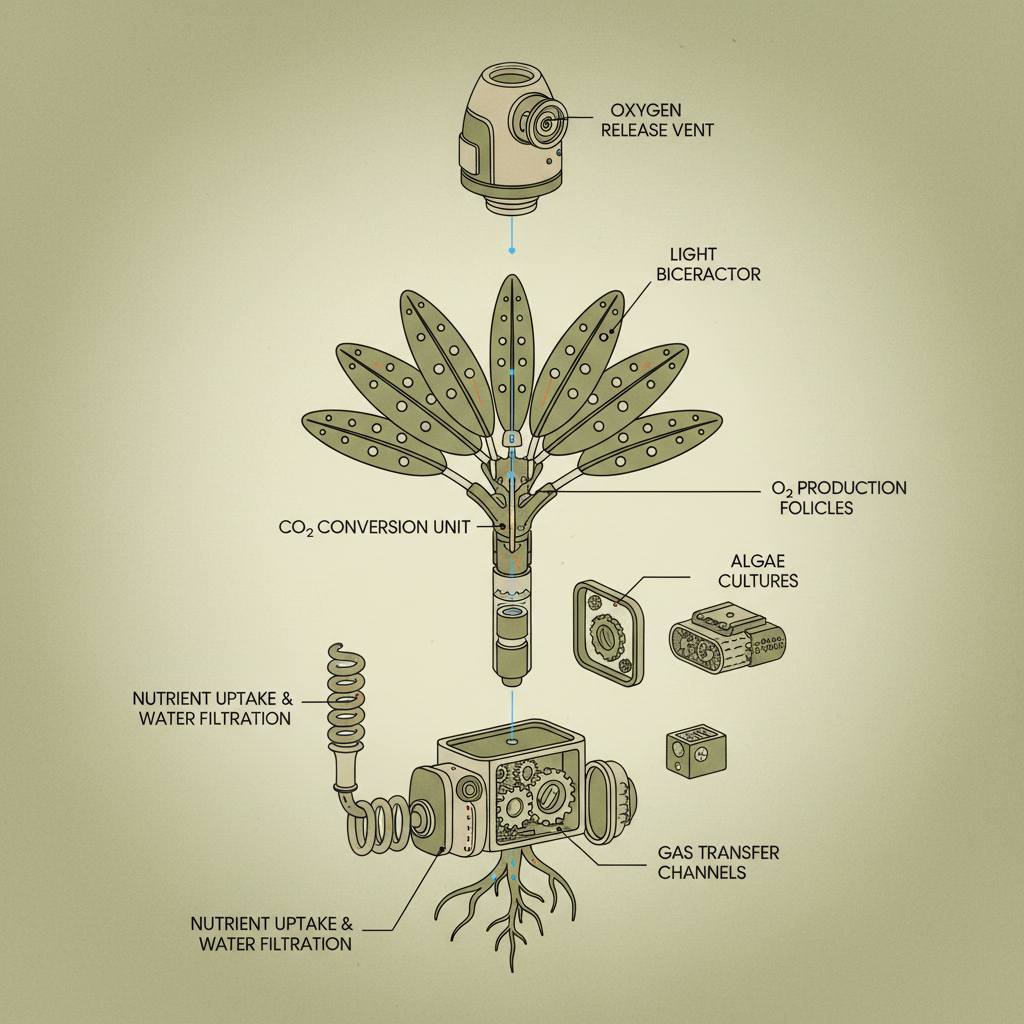
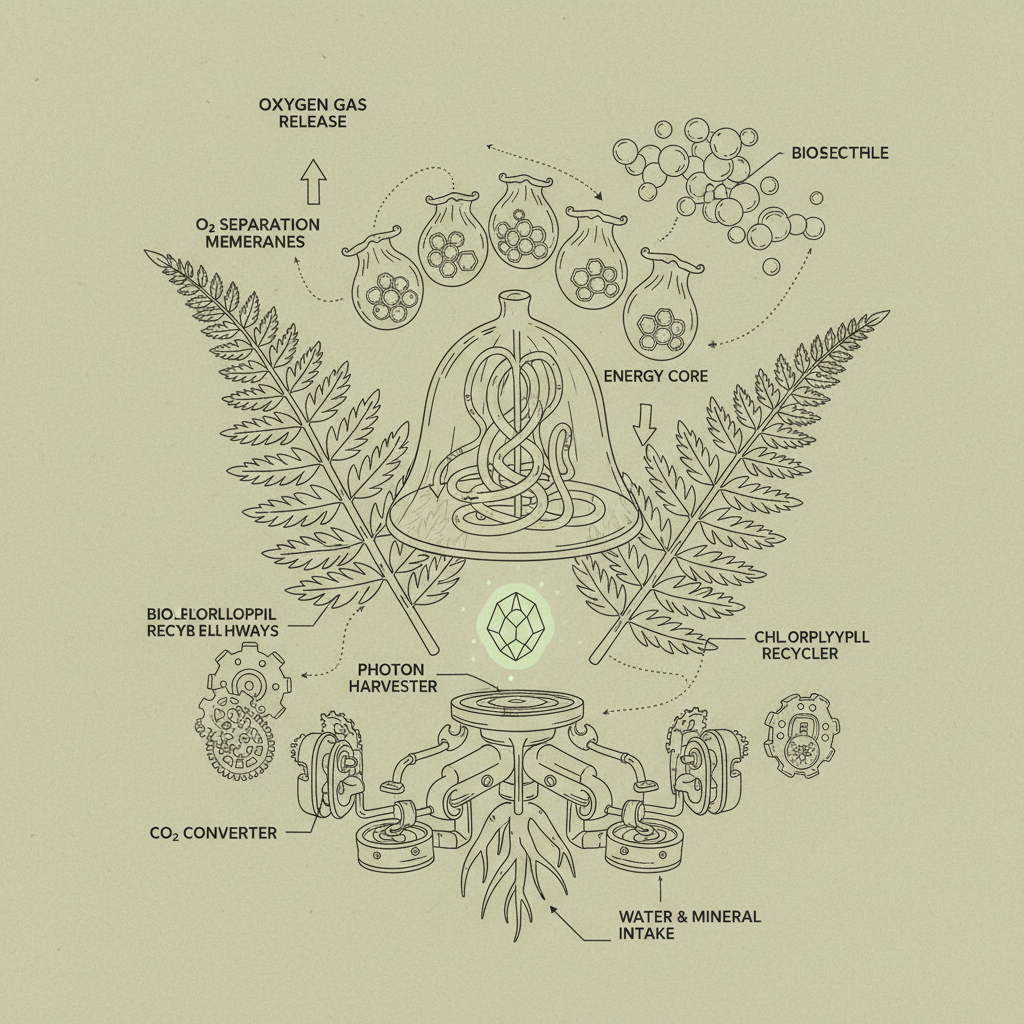
Have you noticed how many new fabrication shops are popping up? They all need oxygen for cutting and welding. It’s not just the big players anymore; a ton of small workshops are investing in their own plants. They’re tired of being at the mercy of gas suppliers and fluctuating prices. I encountered this at a metal fabrication plant in Tianjin last time; they were spending a fortune on delivery fees alone.
The aquaculture industry is another big driver. These fish farms need oxygen to maintain high densities, and frankly, pumping liquid oxygen around is a pain. On-site generation solves that problem. Plus, there’s the whole medical oxygen thing… that’s always going to be in demand, especially with everything that’s happened in the last few years.
Well, that really depends on maintenance. A well-maintained plant can easily last 15-20 years. But if you neglect it, you’re looking at maybe 5-7. Regular filter changes, compressor servicing, and sieve regeneration are key. And don't ignore small leaks! They can quickly turn into big problems. Frankly, I’ve seen plants completely written off because someone didn’t bother tightening a few fittings.
That's a tough one. It varies hugely depending on capacity, purity requirements, and location. But as a rough estimate, you're looking at anywhere from $50,000 to $200,000 for a small plant capable of producing 5-10 cubic meters per hour. Remember to factor in installation costs, permits, and ongoing maintenance. And don’t forget a backup power supply – power outages can be a real headache.
Oxygen is a great thing, but it's also a fire hazard. You need to ensure proper ventilation, avoid any sources of ignition, and use non-sparking tools. It’s also crucial to train your operators on proper safety procedures. And always have a fire suppression system in place. You’d be surprised how often people overlook this!
That’s a complicated question. Most industrial oxygen plants aren’t designed to meet the strict purity standards required for medical use. You’d need additional filtration and purification systems, and you'd need to comply with all relevant medical regulations. It's not impossible, but it's definitely more expensive and complicated than building a standard industrial plant.
Regular monitoring is essential. You need to track oxygen purity, flow rate, pressure, and power consumption. A good control system will provide you with this data automatically. But also, don’t underestimate the importance of regular visual inspections. Listen for unusual noises, check for leaks, and keep an eye on the condition of the filters. Trust your gut – if something doesn’t seem right, investigate it!
Generally, oxygen plants are pretty environmentally friendly. They mainly consume electricity. However, you do need to dispose of the waste air properly, and you need to ensure that the plant doesn't contribute to noise pollution. And be mindful of energy efficiency – a well-designed plant will minimize its power consumption. It's always a good idea to consider sustainability when designing and operating these things.
So, there you have it. Building and operating an oxygen gas plant isn't rocket science, but it's not a walk in the park either. It requires careful planning, quality components, regular maintenance, and a healthy dose of common sense. We've seen a huge surge in demand for on-site oxygen generation, driven by cost savings, supply chain concerns, and the growth of various industries.
Ultimately, whether this thing works or not, the worker will know the moment he tightens the screw. A well-built plant will run smoothly for years, providing a reliable supply of oxygen. A poorly built one will be nothing but a headache. Don't skimp on quality, listen to the experts, and always prioritize safety. And if you're looking for a reliable oxygen gas plant manufacturer, you know where to find us!