Hit enter to search or ESC to close
3 December 2025
Mini nitrogen generators are quietly revolutionizing industries around the world. But what exactly are they, and why do they matter so much? In essence, these machines produce nitrogen gas on-site, eliminating the need for bulky gas cylinders or complex supply chains. This is especially critical in sectors from electronics manufacturing to food packaging, where nitrogen plays a vital role in preservation and inert atmospheres.
Globally, the nitrogen gas market is burgeoning. According to ISO reports and industry data, demand for nitrogen has surged by over 5% annually, partly due to environmental concerns pushing industries toward cleaner, more decentralized gas generation technologies. Mini nitrogen generators address challenges like supply reliability, transportation costs, and safety, thereby enabling a more sustainable and efficient approach to nitrogen supply worldwide.
Imagine a food processing plant in a developing country or a remote electronics factory. Getting reliable nitrogen cylinders there can be expensive, logistically tricky, and sometimes dangerous. According to United Nations industrial development highlights, access to on-demand industrial gases can boost productivity and reduce waste significantly.
The mini nitrogen generator answers these challenges by offering compact, scalable solutions that produce nitrogen from ambient air. This doesn’t just cut costs — it empowers local industries to operate independently of expensive imports or volatile supply chains. In a world increasingly prioritizing sustainability and resilience, this technology has serious clout.
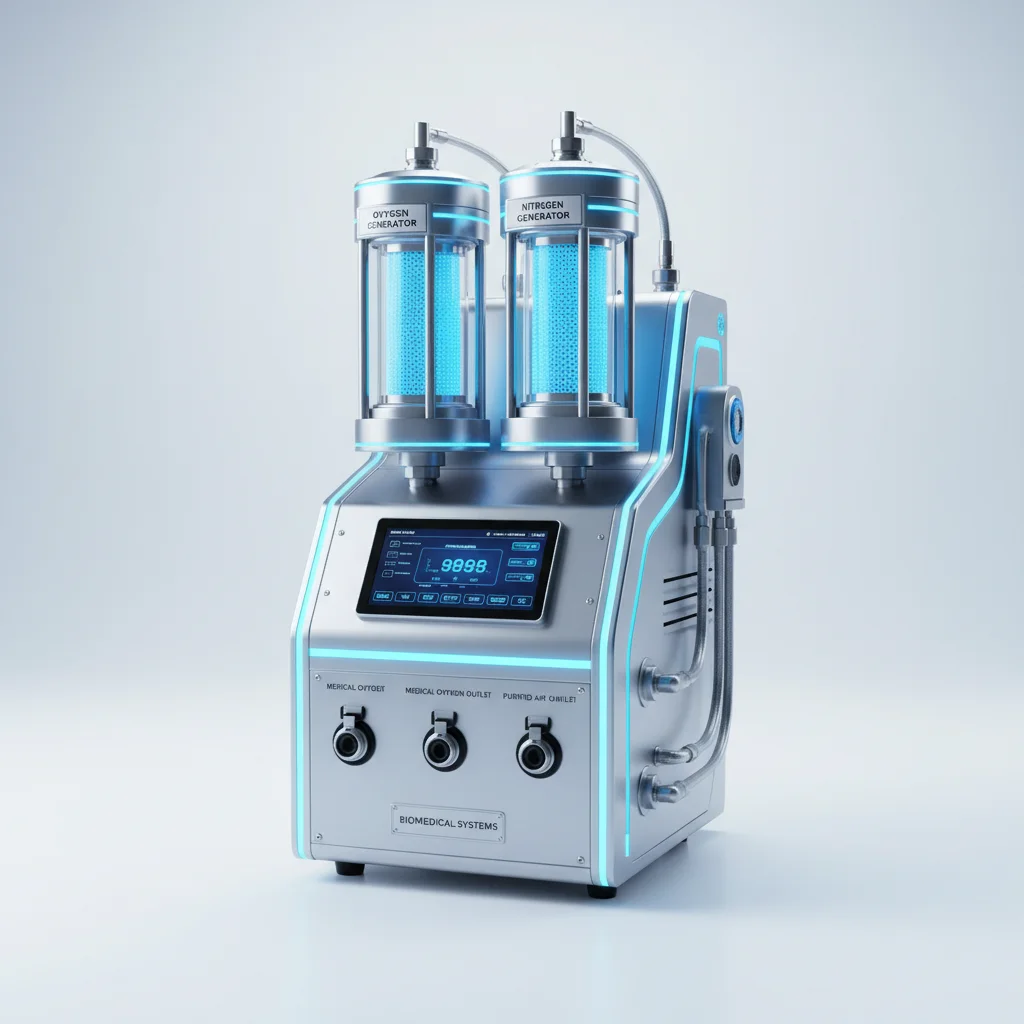
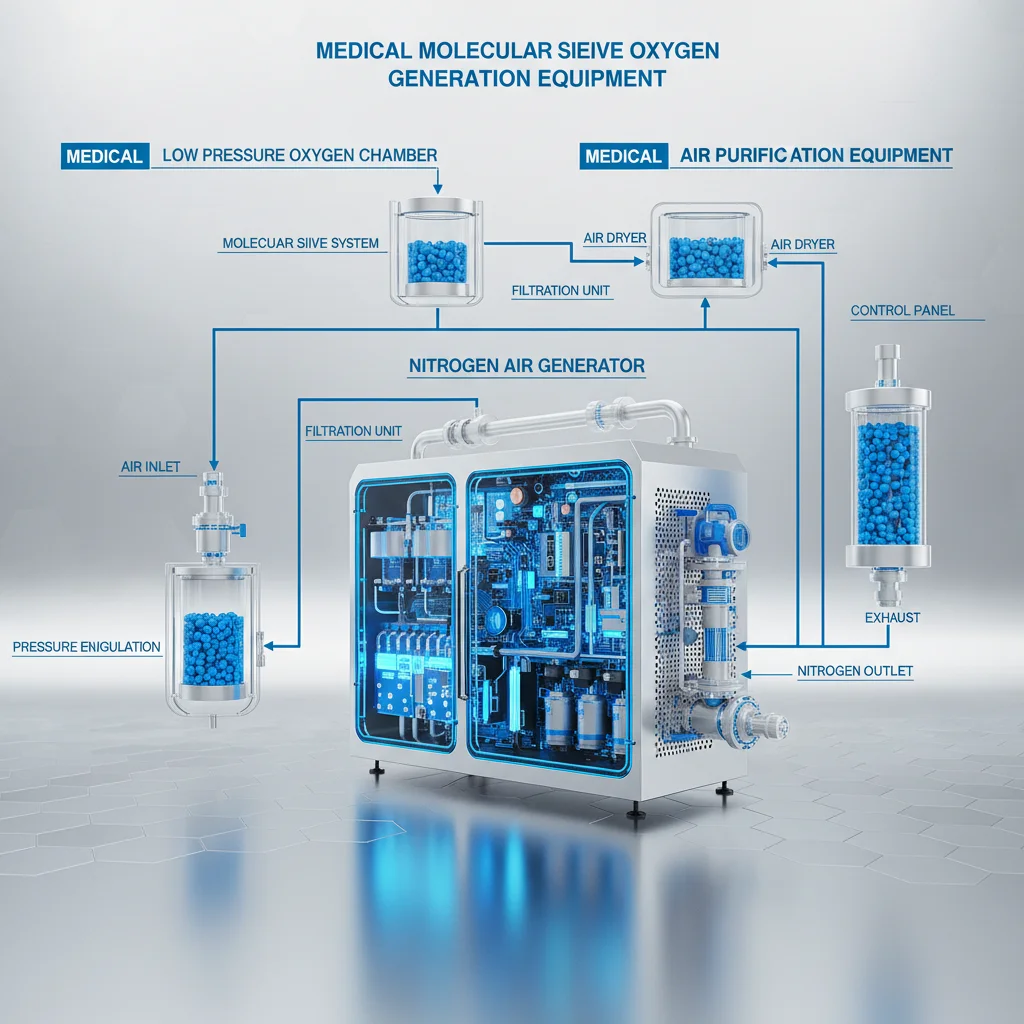
Put simply, a mini nitrogen generator is a compact device that extracts nitrogen gas from regular air, which is roughly 78% nitrogen, 21% oxygen, and trace gases. Using pressure swing adsorption (PSA) or membrane separation technologies, it filters out oxygen and other gases to deliver clean nitrogen, typically 95-99.999% pure, depending on the model.
In real terms, these generators are integral to modern manufacturing, food preservation, pharmaceuticals, and even humanitarian aid. For instance, a small clinic performing laser eye surgery in a rural setting might rely upon a mini nitrogen generator to safely administer the procedure without depending on gas cylinders.
Most mini nitrogen generators are designed for rugged environments. Their compact footprint means you can move them to where nitrogen is needed most — be it a factory floor or a disaster response site.
Whether you need a few liters per minute or several hundred, models are available to suit various demands without excessive energy consumption.
While the initial investment might feel steep, payback periods often range under two years by eliminating cylinder rental fees and delivery charges.
Different applications call for varying nitrogen purity levels. Advanced mini generators can tailor purity on demand, maintaining stable output even in fluctuating environmental conditions.
Usually designed with simplicity in mind, maintenance involves only standard filter changes and periodic checks, making them user-friendly for onsite technicians.
| Feature | Specification Range | Notes |
|---|---|---|
| Flow Rate | 5 - 200 LPM (liters per minute) | Industrial to small lab uses |
| Purity | 95% - 99.999% | Depends on tech used (PSA/membrane) |
| Power Requirement | 110-240 V, 50/60 Hz | Single-phase electricity |
| Weight | 20 - 100 kg | Portable models available |
| Operating Temperature | 5°C to 45°C | Standard ambient environments |
Mini takeaway: This compact technology marries portability with robust industrial-grade nitrogen purity, all while cutting out the complexity of traditional gas logistics.
Mini nitrogen generators cross sectors and continents. In electronics manufacturing hubs like Taiwan and South Korea, they preserve components by creating oxygen-free atmospheres. The food and beverage industry worldwide employs them to extend shelf life by flushing packaging with nitrogen.
Even more interestingly, post-disaster relief organizations use portable nitrogen generators onsite to maintain sterile conditions or assist in medical procedures where gas cylinders are simply impractical. Remote mining operations in Canada utilize these generators to improve safety by reducing oxygen concentrations in explosive atmospheres.
One notable example comes from a vineyard in South Africa, which installed a mini nitrogen generator to purge oxidation-sensitive wines during bottling — enhancing product quality without ongoing gas deliveries.
| Brand | Max Nitrogen Purity | Typical Flow Rate | Portability | Approximate Price |
|---|---|---|---|---|
| OxygenClean Mini | 99.999% | 50 LPM | Yes (wheels included) | $7,000 - $10,000 |
| AirTech Compact | 99.5% | 30 LPM | No | $5,000 - $7,000 |
| PureFlow Mobile | 98.9% | 40 LPM | Highly portable (backpack size) | $8,000 - $11,000 |
When you consider the savings on gas deliveries, losses from cylinder leaks, and logistical headaches, the economic benefits become clearer — they extend well beyond initial purchase costs. From a sustainability perspective, generating nitrogen onsite reduces the carbon footprint linked to transportation and storage.
But there’s also a human level to this tech — safety. By cutting down dangerous cylinder handling and potential leaks, workplaces become safer. There’s dignity too, especially for small-scale operators in remote or under-resourced areas who gain autonomy.
Innovations like IoT-enabled generators allow predictive maintenance and remote monitoring, minimizing downtime. Materials science advancements are helping create membranes that filter gases more efficiently at lower cost. And oddly enough, regulations pushing industries to decarbonize often nudge them toward onsite generation to meet sustainability goals.
The green energy trend also promises that these generators may soon be coupled with solar or battery power, making them even more independent and eco-friendly.
No tech is perfect. Mini nitrogen generators face challenges like water vapor interference, initial capital expense, and purity vs. flow trade-offs. The good news? Experts recommend integrating air dryers and filtration systems to maintain purity and extending warranties to lower financial risk.
Training is another often-overlooked element — ensuring onsite staff understand maintenance can dramatically lengthen performance life.
In summary, mini nitrogen generators are not just gadgets; they’re enablers of efficiency, safety, and sustainability across global industries. From food producers to medical facilities, having nitrogen on demand simplifies operations and reduces environmental impact.
If you’re curious to explore how this technology can fit your needs, visit our website for detailed product information, case studies, and expert advice. Investing in a mini nitrogen generator today means building resilience and innovation for tomorrow.
Final thought: Sometimes, the smallest devices make the biggest difference.
References:
1. ISO Standards on Industrial Gases
2. United Nations Industrial Development Organization (UNIDO)
3. Wikipedia: Nitrogen Generation