Hit enter to search or ESC to close
2 December 2025
Hyperbaric oxygen therapy (HBOT) has long been utilized in hospitals and specialized clinics to treat conditions ranging from decompression sickness to wound healing. But recently, the hyperbaric oxygen chamber for home use has been gaining traction globally as a valuable tool extending healthcare and wellness directly into living spaces. Why does this matter? Because access to such therapy addresses critical health challenges, enhances recovery, and improves quality of life without the hassle or cost of frequent hospital visits.
In an era where chronic illnesses and post-operative care are on the rise worldwide, bringing HBOT into homes is nothing short of a healthcare revolution. The potential benefits span from accelerated healing and improved oxygenation to enhanced cognitive support and anti-aging effects. So understanding what these chambers do, how they work, and their global implications can open new doors to accessible, effective therapy for many.
Worldwide, chronic conditions such as diabetes and cardiovascular diseases are climbing, affecting hundreds of millions. According to the World Health Organization, chronic diseases account for over 71% of all deaths globally. These conditions often require therapies that improve blood circulation and oxygen delivery, a niche perfectly suited for hyperbaric oxygen therapy.
However, frequent hospital visits for HBOT can be inconvenient, costly, or simply unavailable in many regions—especially in rural or underserved communities. This is where hyperbaric oxygen chambers for home use become game changers. They address accessibility problems and empower patients to take control of their healing process.
On top of healthcare needs, the wellness industry is also embracing home chambers, with individuals seeking natural methods to boost overall vitality and recovery from strenuous activities or aging. The growing trend aligns with rising health consciousness—according to a recent survey by ISO, consumer demand for home medical devices grew by over 15% in the last five years.
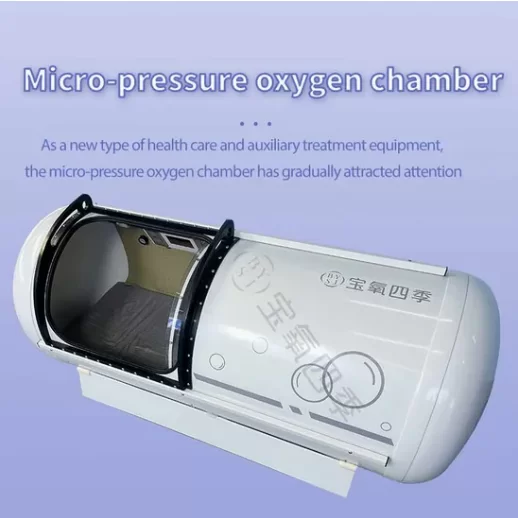
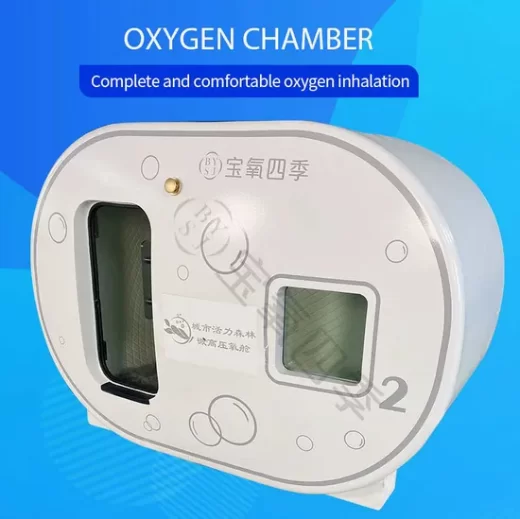
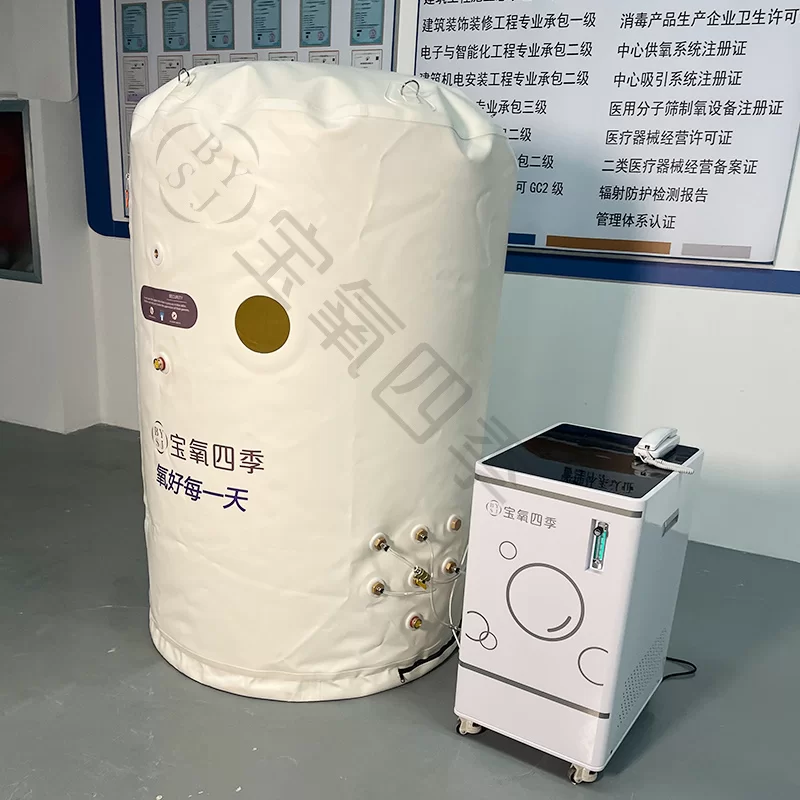
Simply put, a hyperbaric oxygen chamber for home use is a sealed, pressurized device that delivers pure oxygen to your lungs at pressures higher than normal atmospheric levels. It’s designed for personal environments—smaller, lighter, and often portable compared to clinical chambers. The increased oxygen concentration promotes healing by boosting oxygen delivery through the bloodstream, facilitating tissue repair and fighting certain infections.
While traditional multiplace chambers accommodate several patients and require complex infrastructure, home versions are typically monoplace (single user), making them practical and user-friendly. Their rise reflects broader trends in personalized medicine and remote healthcare, bridging gaps where hospital treatments might be inaccessible or inconvenient.
Home hyperbaric chambers are constructed with durable, medical-grade materials such as polycarbonate or reinforced PVC. Safety features include pressure regulators, redundant valves, and emergency ventilation to prevent accidents. For long-term residential use, the build quality is vital—not just for function but for peace of mind.
Unlike clinical chambers, which are bulky and stationary, home chambers emphasize portability and space-saving design. Many can be folded or deflated for storage, enabling users to maintain a flexible living environment.
Typical home hyperbaric chambers operate safely up to 1.3 to 1.5 atmosphere absolute (ATA), providing effective oxygen therapy for a range of conditions. This contrasts with hospital chambers that often reach 2.0 ATA or higher but balances efficacy against safety and cost.
Simple digital panels or smartphone app integration are increasingly common. This lets users customize treatment sessions, monitor pressure, and control oxygen flow easily, boosting usability even for less tech-savvy individuals.
Since the chamber is used in homes, quiet operation and ergonomic design, like padded interiors and ventilation, are prioritized. After all, no one wants therapy interrupted by a noisy compressor or discomfort during sessions.
| Feature | Specification |
|---|---|
| Maximum Pressure | 1.5 ATA (atmospheres absolute) |
| Material | Medical-grade PVC and polycarbonate window |
| Dimensions (inflated) | 220 cm length × 70 cm diameter |
| Weight | ~30 kg |
| Control System | Digital touch panel with preset modes |
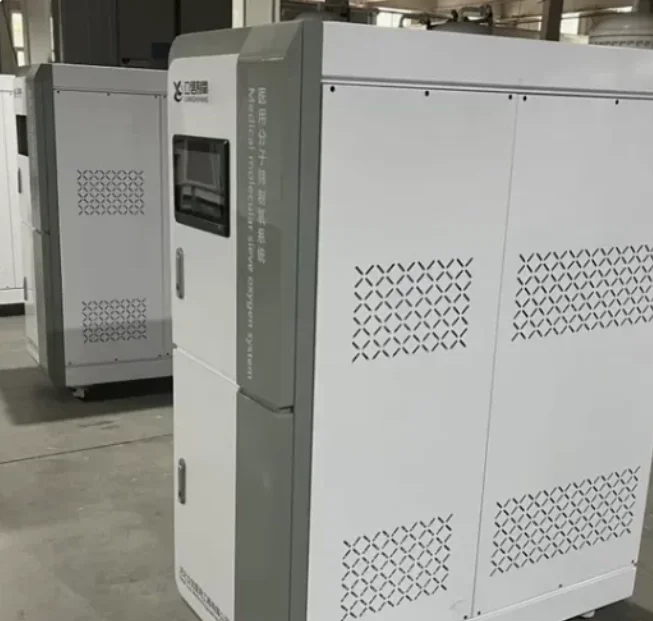
| Oxygen Supply | Compatible with medical-grade oxygen tanks or concentrators |
From post-stroke recovery centers in Europe to sports medicine clinics in North America, hyperbaric oxygen chambers have firmly established their value. The home versions widen this reach substantially.
Oddly enough, even disaster-relief efforts benefit indirectly because home chambers reduce strain on nearby medical facilities during crises.
| Brand | Max Pressure (ATA) | Weight | Key Feature | Price Range (USD) |
|---|---|---|---|---|
| OxyHealth Summit | 1.3 | 25 kg | Lightweight, quiet operation | $8,000–$12,000 |
| Boost Oxygen Chamber | 1.5 | 28 kg | Customizable pressure settings | $9,000–$13,000 |
| HyperbaricPro Elite | 1.4 | 32 kg | App-based control & monitoring | $10,000–$15,000 |
There are tangible benefits to incorporating a home hyperbaric oxygen chamber into daily life:
Investing in a hyperbaric oxygen chamber for home use means embracing a future where healing is more accessible, personalized, and even a bit empowering.
Manufacturers are exploring:
While lower pressure limits some clinical applications, patients still benefit significantly from home devices. Safety remains top priority—automated features and telehealth support are key to minimizing risks and maximizing outcomes.
The home hyperbaric oxygen chamber is a vibrant example of how healthcare innovation moves beyond institutions into personal spaces, empowering individuals worldwide. If you’re curious about how it might help you or your loved ones, explore options today: visit hyperbaric oxygen chamber for home use.
Looking forward, this technology will continue to evolve, hopefully making oxygen therapy more accessible, safer, and greener—something worth watching closely.
That’s a wrap—here’s to better breathing, healing, and living, no matter where you are.