Hit enter to search or ESC to close
30 November 2025
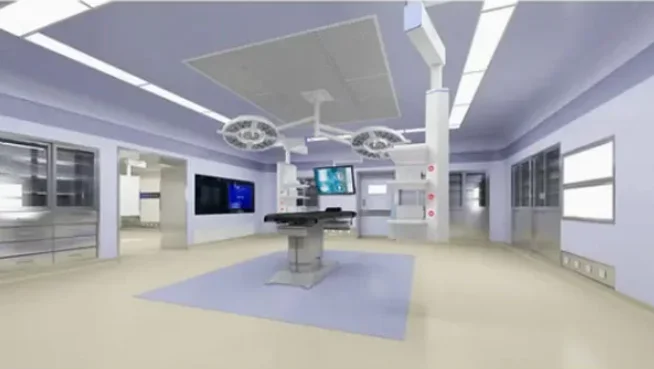
No doubt you’ve seen those sleek, wall-mounted units behind intensive care unit (ICU) beds in hospitals — that’s the ICU bed head panel. It’s not just about aesthetics; these panels hold the key to medical safety, efficiency, and patient comfort worldwide. In our rapidly aging population and with rising healthcare demands, understanding the role and benefits of such equipment has become vital. They’re the hidden but mighty workhorses connecting power, gases, communication, and monitoring in critical care settings everywhere.
Put simply, a well-designed ICU bed head panel can mean the difference between life and death by enabling quick access to essential utilities without cluttering the space. Globally, as healthcare facilities expand or upgrade — sometimes under challenging conditions or in developing regions — the demand for adaptable, reliable ICU bed head panels is soaring. Getting this right helps save lives and optimizes hospital workflows significantly.
According to the World Health Organization, over 20 million people require critical care worldwide annually, but many hospitals lack the infrastructure to support optimal treatment [1]. This is where ICU bed head panels step in, providing consolidated access points for medical gases, electrical outlets, lighting, nurse call buttons, and even data ports.
Healthcare systems globally face pressures: rising populations, pandemics, and limited space. For instance, a recent ISO report highlighted that efficient medical gas delivery setups could reduce delays in critical procedures by 15%. Hence, better ICU bed head panel designs alleviate some of these strains by making care delivery smoother and safer. They’re not just hospital features — they’re frontline solutions.
So what exactly is an ICU bed head panel? At its core, it’s a specialized wall-mounted module, often extending horizontally above or behind an ICU bed. It integrates multiple utilities such as:
In humanitarian contexts, such as refugee camps or field hospitals, these panels offer modular, rapidly deployable units that bring ICU-level support even when permanent infrastructure is missing. So, their meaning goes beyond just equipment; they symbolize accessibility and innovation in healthcare scenarios around the world.
This is the panel's heart. Properly engineered gas outlets ensure safe delivery and easy switching during emergencies. Many panels now feature color-coded outlets complying with ISO 9170-1, helping prevent dangerous errors.
With various electrical outlets, including sockets for monitoring devices and ventilators, redundancy matters. Panels often include emergency power lines that switch seamlessly to backup sources, mitigating risks during blackouts.
Modern ICU panels can be customized or expanded to meet unique needs, ranging from pediatrics to adult ICU beds. This scalability saves hospitals from costly complete renovations if patient profiles shift.
Considering infection control, materials such as antimicrobial-coated aluminum or stainless steel are standard. Smooth surfaces and sealed edges prevent dust or biohazards from accumulating.
Nurse call buttons, data ports, and even wireless modules are embedded to enhance staff responsiveness and patient engagement.
Integrated LED procedure lights and ambient controls offer the correct illumination levels, aiding clinicians while keeping patients comfortable.
Mini takeaway: All these elements combine, making an ICU bed head panel not just a utility provider but a critical hub where technology, safety, and human needs intersect.
From the high-tech hospitals of Tokyo to field clinics decimated by natural disasters, ICU bed head panels play crucial roles everywhere. For example:
One interesting case was in post-Hurricane relief efforts in the Caribbean, where NGOs installed panels designed for rapid setup, blending power, gases, and communication — restoring critical care in less than 48 hours.
Let’s be honest, their value isn’t just in the tech—it’s emotional and economical too. Well-engineered bed head panels deliver:
| Feature | Specification |
|---|---|
| Dimensions | 2.4 m (length) x 0.4 m (width) x 0.15 m (depth) |
| Material | Antimicrobial-coated aluminum alloy |
| Medical Gas Outlets | O2, Vacuum, Air, Nitrous Oxide (Color-coded) |
| Electrical Outlets | 6 standard + 2 emergency power sockets |
| Lighting | Integrated LED procedure and ambient lights |
| Communication | Nurse call, data ports, Wi-Fi module compatible |
| Manufacturer | Customization Options | Lead Time | Price Range | Certifications |
|---|---|---|---|---|
| MedTech Solutions | Full custom; modular add-ons | 6–8 weeks | $$$ | ISO 13485, CE |
| HealthLine Corp. | Limited customization, standard models | 4 weeks | $$ | FDA-approved, ISO 9001 |
| Global Med Equipment | Custom modules, retrofit kits | 8–10 weeks | $$$$ | ISO 13485, CE, UL |
The future for ICU bed head panels is kind of exciting — advancements like IoT-enabled panels allow real-time monitoring of gas pressure, power consumption, and even predictive maintenance alerts, reducing downtime. Green manufacturing is on the rise, with suppliers adopting recycled aluminum and biodegradable coatings.
Digital integration means panels will support wireless data transmission for patient monitoring devices, easing cable clutter — an innovation many engineers rave about. Plus, adaptive lighting using circadian rhythms to enhance patient recovery looks promising.
Despite progress, hospitals sometimes face problems like installation delays, maintenance complexity, or compatibility issues with legacy medical devices. The solution? More modular designs and plug-and-play systems that can retrofit quickly. Also, training hospital technicians on panel upkeep emerges as a practical fix.
International standards are being harmonized, too, so equipment from one country can easily fit another. This is a big win for emergency relief efforts when time is short.
Most modern panels offer a range of customization options, from length and utilities included to mounting types. Hospitals can choose configurations specific to ICU, neonatal, or surgical needs, often facilitated by modular components.
Routine checks include verifying medical gas seals, electrical outlet integrity, and cleaning antimicrobial surfaces. Annual professional inspections are common to ensure compliance with safety standards.
Absolutely. Portable and modular panels are designed specifically for quick installation in field hospitals and mobile units, enabling ICU functionality in remote or disaster-hit regions.
Yes, especially newer models featuring LED lighting and low-power electronics reduce energy consumption. Power backup systems also ensure optimized power usage during outages.
Look for providers with relevant certifications (ISO 13485, CE, FDA), good customer reviews, and flexible customization options. Lead time and post-sale support are also critical.
Ultimately, the ICU bed head panel is more than just equipment; it’s a critical nexus of care, technology, and patient well-being. Investing in quality, modular, and modern panels brings lasting returns in safety, efficiency, and even hospital morale. Given healthcare’s evolving challenges, it feels like a smart, necessary step for any facility aiming to deliver world-class critical care.
If you’re looking to upgrade or install such units, I’d point you toward industry leaders showcased at icu bed head panel. Their expertise and product range cover everything from customization to quick deployment — crucial in today’s healthcare environment.
Mini takeaway: Good ICU bed head panels tie patient safety directly to technology, streamlining workflows and supporting critical outcomes.
References:
1. World Health Organization – Critical care statistics (https://www.who.int)
2. ISO 9170-1 / ISO 13485 Certification Info (https://www.iso.org)
3. Hospital Infrastructure and Medical Gas Safety – Journal of Healthcare Engineering