Hit enter to search or ESC to close
17 November 2025
Oxygen concentrators have become an indispensable part of modern healthcare and emergency response worldwide. Specifically, an oxygen concentrator in small room settings offers a unique set of challenges and opportunities, especially as more people require supplemental oxygen within confined spaces. Globally, access to affordable and efficient oxygen delivery can be lifesaving—not just for hospitals but for home care and emergency relief as well.
Why does this matter? According to the World Health Organization, respiratory diseases remain a leading cause of morbidity globally. Oxygen therapy, delivered via concentrators, addresses this critical need. Understanding how oxygen concentrators function optimally in cramped spaces is essential for better treatment, portability, and emergency preparedness.
As urbanization gains pace and living spaces shrink, the demand for compact healthcare solutions is soaring. Small rooms, whether in apartments or remote clinics, present a tricky environment for oxygen concentrator use. Statistics show that nearly 3 million people worldwide require oxygen therapy daily, yet access remains inconsistent, particularly in low-resource areas.
Oddly enough, while large hospitals can accommodate bulky machines with ease, small residential or mobile setups need devices designed to be efficient yet quiet, safe, and easy to use in limited square footage. This balance between space and performance is why the oxygen concentrator in small room topic demands focused attention.
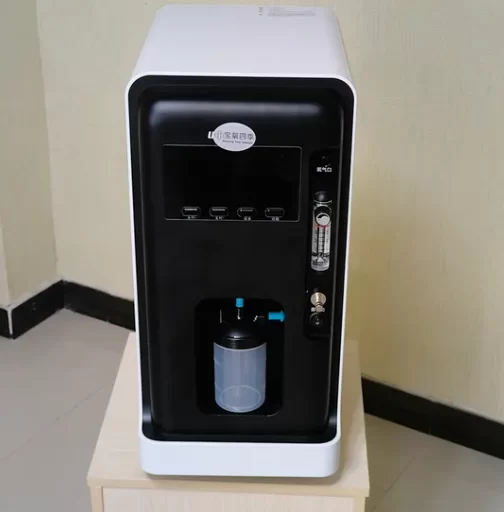
Simply put, an oxygen concentrator filters ambient air to deliver nearly pure oxygen to the patient, typically between 85% to 95% concentration. When we talk about usage in small rooms, we're referring to devices engineered to operate efficiently within compact spaces (think: a tiny bedroom, a clinic cubicle, or even a vehicle cabin).
This type of concentrator must consider factors like noise levels, heat output, airflow, and size—all critical when walls close in and ventilation is limited.
Size isn’t just about footprint; it’s also about weight and ease of movement. Many patients switch between rooms or travel, so smaller, lightweight concentrators are a game changer. Of course, compactness can sometimes mean compromises in oxygen output—so the device’s design must be clever.
In a small room, noise feels amplified. Patients trying to rest or concentrate can find loud machines distracting. Similarly, heat buildup can raise room temperature, making oxygen therapy uncomfortable. Some modern units incorporate advanced fans and insulation to tackle these issues.
The central function—oxygen delivery—must maintain quality standards. Constant 90%-plus purity allows effective therapy even in a tight space. Some devices allow adjustable flow rates, ideal for patients needing different oxygen levels during rest or activity.
Small rooms may not be near reliable power sources, especially in rural or emergency settings. Energy efficiency lengthens battery life, and backup systems (like rechargeable batteries or compatibility with portable power banks) help ensure uninterrupted oxygen flow.
Being compact often means more delicate internal parts. Devices designed for small rooms should be robust enough to handle daily use without requiring constant maintenance—yet easy enough for non-experts to clean and operate.
User-friendly interfaces, clear displays, and simple controls are vital. In emergency or home environments, not everyone is a technician—so devices must minimize setup complexity and troubleshooting.
Choosing an oxygen concentrator for a small room involves balancing size, noise, output, power, durability, and user-friendliness. This harmony is what defines real-world success.
In real terms, oxygen concentrators in small rooms find purpose in many settings:
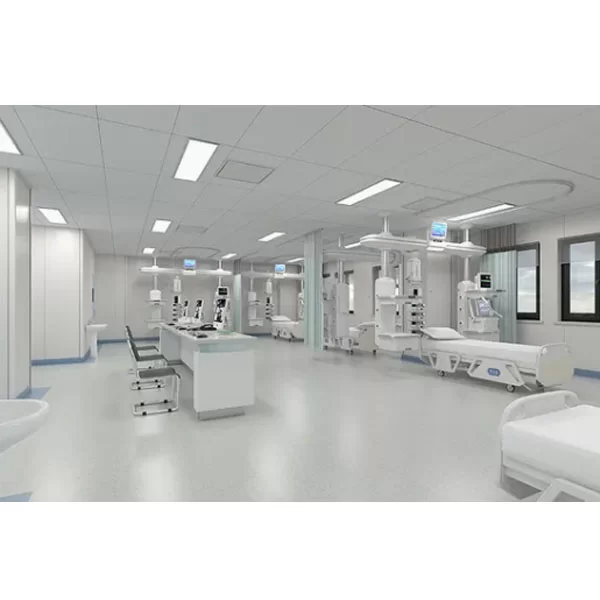
For example, during the COVID-19 pandemic, resource-limited settings relied heavily on compact concentrators where hospital ICU beds were unavailable. You could say that these small devices carried a huge burden for global health systems.
From a cost perspective, oxygen concentrators eliminate expensive oxygen tank refills and complicated logistics. This is critical for low-income households and remote clinics.
Socially, being able to safely use these devices at home or in familiar settings preserves patient dignity—no need for hospital stays unless absolutely necessary.
Technologically, many new models offer smart monitoring, remote alerts, and connectivity, promoting peace of mind for caregivers. And environmentally? No more heavy metal oxygen tanks needing disposal.
Looking ahead, several exciting trends stand out:
Some persistent issues remain:
Solutions include user education, battery backups, noise-reduction designs, and modular parts that are easy to replace locally.
| Model | Size (WxDxH cm) | Weight (kg) | Flow Rate (LPM) | Noise Level (dB) | Battery Backup (hrs) |
|---|---|---|---|---|---|
| OxyPure Compact 3000 | 30 x 25 x 40 | 6.5 | 0.5–3 | 45 | 3 |
| AirLife MiniPlus | 28 x 22 x 38 | 5.8 | 0.5–5 | 42 | 4 |
| BreatheSafe Home | 33 x 30 x 42 | 7.0 | 1–5 | 50 | 2 |
| Supplier | Price Range (USD) | Warranty | Global Shipping | Customer Support | Certification |
|---|---|---|---|---|---|
| OxyWorld Medical | $750–$1,200 | 2 years | Yes | 24/7 Phone & Email | ISO 13485 |
| LifeAir Systems | $680–$1,000 | 1 year | Limited | Business Hours | FDA Approved |
| PureOxy Tech | $900–$1,500 | 3 years | Yes | 24/7 Phone & Remote | CE Marked |
The reality is—oxygen concentrators tailored for small spaces aren't just a luxury. They’re a necessity for many, enabling safe, reliable oxygen therapy within the constricted realities of modern living and healthcare setups worldwide. Their benefits ripple across economic, social, and environmental layers. Plus, with innovations around the corner, this technology only stands to get smarter and more accessible.
Looking for the right device? Visit oxygen concentrator in small room to explore options designed specifically for your needs. Sometimes, the smallest machines have the biggest impact.