Maintaining pristine air quality in clinical and home-care environments is a cornerstone of modern healthcare, ensuring that patients receive therapy without the risk of airborne contaminants. The integration of a high-efficiency medical air filter system is essential for managing the purity of the gases delivered to the patient, particularly in high-pressure environments where oxygen concentration and purity are paramount for therapeutic success.
Globally, the demand for precision air filtration has surged as the medical industry shifts toward decentralized care, bringing clinical-grade equipment into the home. This evolution requires a sophisticated approach to air purification, where the balance between airflow volume and particulate removal is meticulously calibrated to meet international safety standards and prevent secondary infections.
Whether it is used in a hospital setting or integrated into a home-based hyperbaric system, the use of a medical air filter ensures that the air entering the lungs is free from dust, allergens, and pathogens, thereby maximizing the efficacy of oxygen therapy and enhancing the overall recovery process for the user.

The Role of Air Filtration in Hyperbaric Therapy
In the context of the 2.0 ATA Customizable Rigid Single-Person Hyperbaric Oxygen Chamber, air filtration is not merely an accessory but a critical safety component. As the system increases oxygen solubility in the blood and plasma to facilitate deeper tissue penetration, ensuring that the incoming air is purified prevents the concentration of impurities within the rigid shell.
By utilizing a professional-grade filtration approach, the chamber maintains a stable and quiet environment (approximately 60dB), allowing the user to focus on cellular repair. This rigorous control of air quality ensures that athletes, seniors, and beauty enthusiasts can experience the full benefits of HBOT without compromising respiratory health.
Global Standards for Clinical Air Purity
The global healthcare industry adheres to strict ISO and CE certifications to ensure that any device delivering gas to a patient meets stringent purity levels. In the realm of oxygen therapy, the prevention of microbial contamination is a primary challenge, as compressed air can act as a carrier for particulates if not properly filtered before entering the patient's breathing zone.
Data from international health organizations emphasize that contaminated air in medical settings can lead to healthcare-associated infections (HAIs). Consequently, the implementation of high-efficiency filtration systems has become a mandatory requirement for medical-grade equipment, ensuring that the air is stripped of volatile organic compounds and microscopic debris.
For home-based solutions like the 2.0 ATA rigid chamber, these global standards are translated into user-friendly interfaces and precision monitoring. This ensures that the transition from clinic to home does not result in a drop in air quality or safety, providing a seamless experience of clinical efficiency in a private setting.
Defining the Medical Air Filter Mechanism
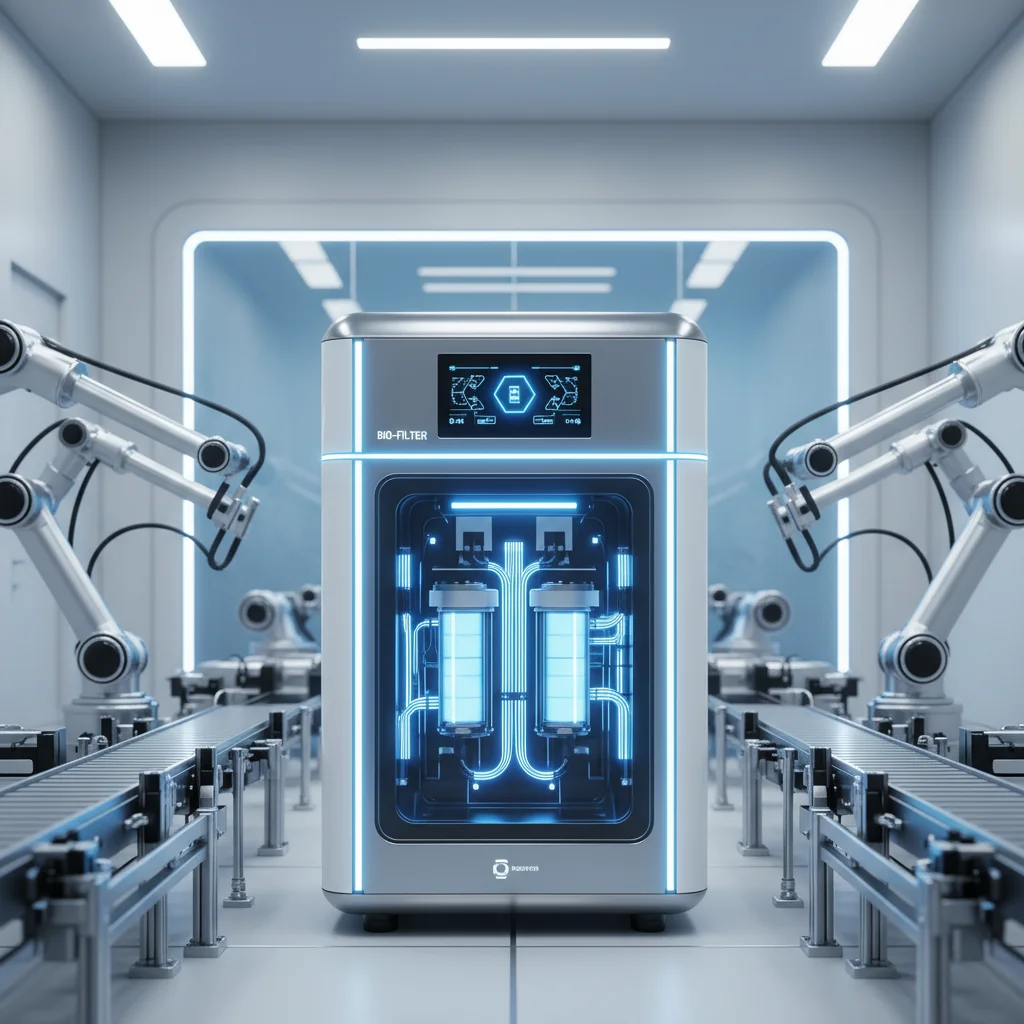
A medical air filter is a specialized device engineered to remove contaminants from the air used in medical treatments. Unlike standard household filters, these are designed to handle specific pressure differentials and are often constructed from medical-grade materials that do not off-gas or degrade under high-pressure conditions.
The primary function of a medical air filter in a hyperbaric system is to safeguard the microcirculation boost process. By ensuring that the air is pure, the system can effectively promote the expansion of blood vessels and improve blood flow to vital organs without introducing irritants into the bloodstream.
Essentially, these filters act as a biological barrier, utilizing advanced membrane technology to trap particles as small as 0.3 microns. This level of precision is what allows rigid chambers to operate safely at 2.0 ATA, ensuring a healthy environment for long-term tissue repair and cognitive improvement.
Core Components of High-Pressure Filtration
The effectiveness of air purification in a rigid hyperbaric chamber depends on several core components, including the filter medium, the housing integrity, and the pressure valve calibration. The filter medium must be capable of maintaining high throughput while capturing a wide spectrum of particulates, ensuring that the oxygen concentration remains between 21% and 23% as specified.
Furthermore, the integration of smart monitoring systems allows for the real-time tracking of pressure and temperature. This ensures that the filtration process does not create excessive back-pressure, which could interfere with the stability of the 10-90kpa adjustable working pressure required for optimal therapy.
Efficiency Analysis of Medical Air Filter Systems
Real-World Applications in Wellness and Rehab
In athletic recovery, the use of a purified air environment within a rigid chamber helps athletes reduce downtime by accelerating cellular metabolism. By removing environmental pollutants, the body can focus its energy entirely on tissue repair and reducing inflammation, which is the primary goal of 2.0 ATA therapy.
For seniors and those in medical rehabilitation, these systems provide a safe harbor for cognitive enhancement and circulation improvement. The ability to operate these devices independently at home, backed by medical-grade filtration, empowers users to maintain a consistent therapy schedule without the logistical burden of clinical visits.
Long-Term Value of Integrated Air Purification
Investing in a rigid chamber with integrated air purification offers significant long-term value compared to traditional clinic-based HBOT sessions. While the initial investment is higher, the cost per session becomes negligible over time, providing 24/7 on-demand access to professional-grade therapy in the comfort of one's own home.
Beyond the financial aspect, the emotional value of safety and trust cannot be overstated. Knowing that the air is filtered to a clinical standard provides peace of mind, allowing users to relax during their sessions, which in turn enhances the therapeutic effect of the oxygen therapy.
Furthermore, the durability of the rigid shell and the efficiency of the filtration system ensure that the device remains an asset for years. With a modular design and simple interface, the system remains accessible and effective, maintaining its structural integrity and air purity through rigorous quality control.
Future Innovations in Oxygen Filtration Technology
The future of medical air filtration is moving toward "smart" membranes that can sense particulate levels and adjust filtration intensity in real-time. This digital transformation will allow for even greater energy efficiency, reducing the power consumption of home-based hyperbaric systems while maintaining a sterile environment.
We are also seeing a shift toward sustainable, biodegradable filter materials that do not sacrifice efficiency. These green innovations aim to reduce the environmental impact of medical waste without compromising the 2.0 ATA pressure stability or the health of the user.
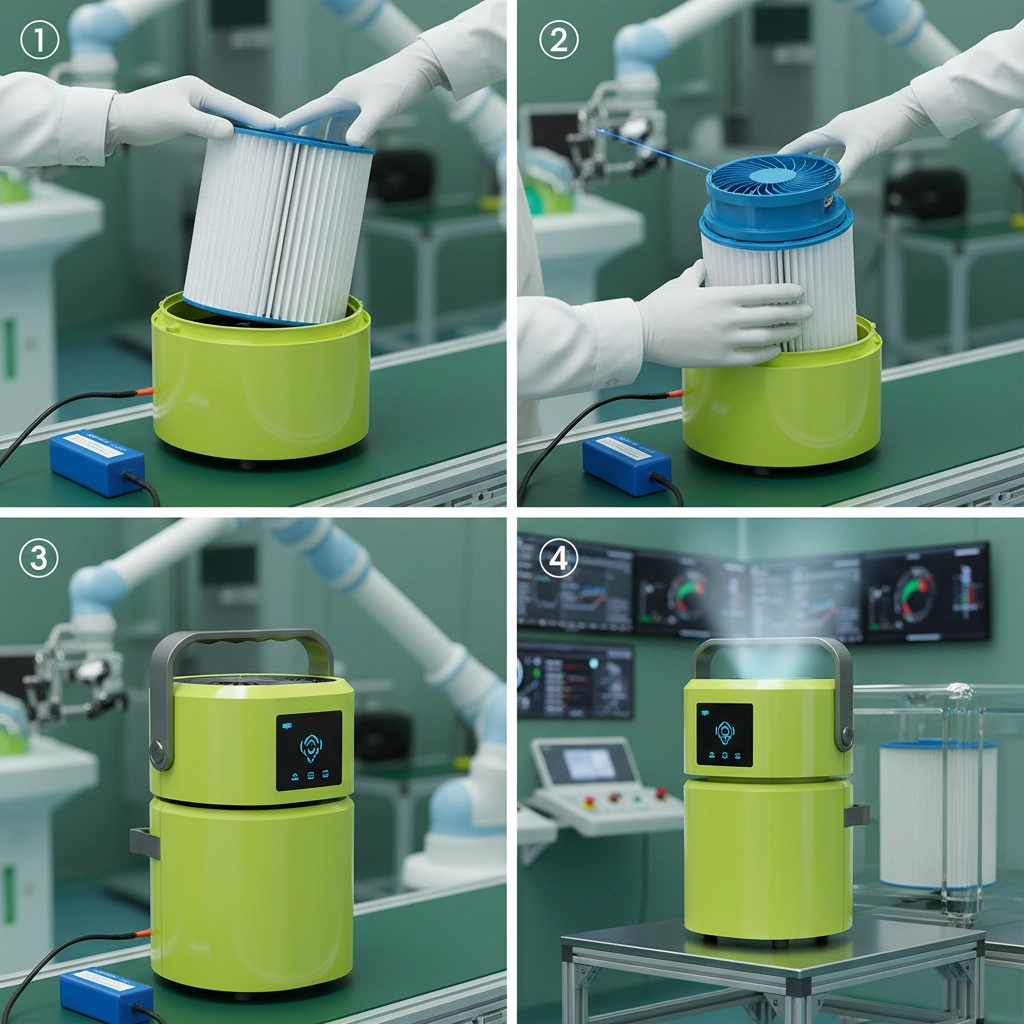
As automation becomes more integrated, we expect to see self-calibrating filters that alert the user via mobile apps when a replacement is needed, ensuring that the therapy never dips below the required clinical standards for air purity.
Comparative Analysis of Filtration Standards in Rigid Chambers
| Filter Grade |
Particulate Removal |
Pressure Stability |
Maintenance Cycle |
| Standard Mesh |
Low (Dust only) |
High |
6 Months |
| HEPA Medical |
High (99.97%) |
Medium-High |
3 Months |
| ULPA Clinical |
Ultra-High (99.99%) |
Medium |
2 Months |
| Carbon Hybrid |
Medium (VOCs) |
High |
4 Months |
| Bio-Shield |
High (Pathogens) |
Medium-High |
3 Months |
| Precision Rigid |
High (Customized) |
Ultra-High |
Variable |
FAQS
For most home-based rigid chambers, we recommend replacing the filtration elements every 3 to 6 months, depending on the air quality of your environment. Regular replacement ensures that the airflow remains unobstructed and the 2.0 ATA pressure is maintained consistently without straining the system's compressor.
A high-quality filter is designed to balance purity with airflow. Our rigid chambers are engineered to operate at approximately 60dB, which is comparable to a normal conversation. A clogged filter can actually increase noise due to compressor strain, so timely maintenance is key to a quiet session.
Yes, rigid chambers generally allow for more robust, integrated filtration systems that can handle higher pressure levels (up to 2.0 ATA) more consistently. The structural integrity of the rigid shell provides a more stable environment for the filtration hardware to operate at peak efficiency.
Absolutely. The 2.0 ATA Customizable Rigid Single-Person Chamber is designed for versatility. Depending on whether you are using it for athletic recovery, anti-aging, or medical rehab, certain filtration specifications can be tailored to meet your specific wellness requirements.
The filter uses medical-grade membranes that trap microscopic particles and pathogens before they enter the chamber. This ensures that as oxygen concentration increases and blood vessels expand, the air you breathe is pure, preventing the risk of respiratory irritation or infection.
While our chambers feature a user-friendly interface for independent operation, we provide detailed guidelines for filter maintenance. Most replacements are modular and simple; however, we recommend consulting your healthcare provider for optimal pressure and duration settings.
Conclusion
The integration of a high-performance medical air filter within a 2.0 ATA rigid hyperbaric chamber is fundamental to delivering a safe, effective, and professional-grade wellness experience at home. By combining structural durability with precision air purification, these systems facilitate accelerated cellular repair, improved microcirculation, and enhanced overall health for athletes, seniors, and rehabilitation patients alike.
As we look toward the future of home-based healthcare, the synergy between automation and advanced filtration will continue to lower the barriers to high-quality oxygen therapy. We encourage wellness enthusiasts to prioritize equipment that meets CE certification and clinical standards to ensure long-term safety and maximum therapeutic return. Visit our website: www.storeoxygen.com