Hit enter to search or ESC to close
13 May 2026
Indoor air quality has become a central concern for homes, offices, hospitals, and industrial environments. With increasing exposure to pollutants such as PM2.5, VOCs, bacteria, and airborne viruses, two technologies are often compared: air sanitizers and medical air purifiers. While they may appear similar, they operate on fundamentally different principles and serve different purposes. Understanding these differences is essential before choosing the right solution for your environment.
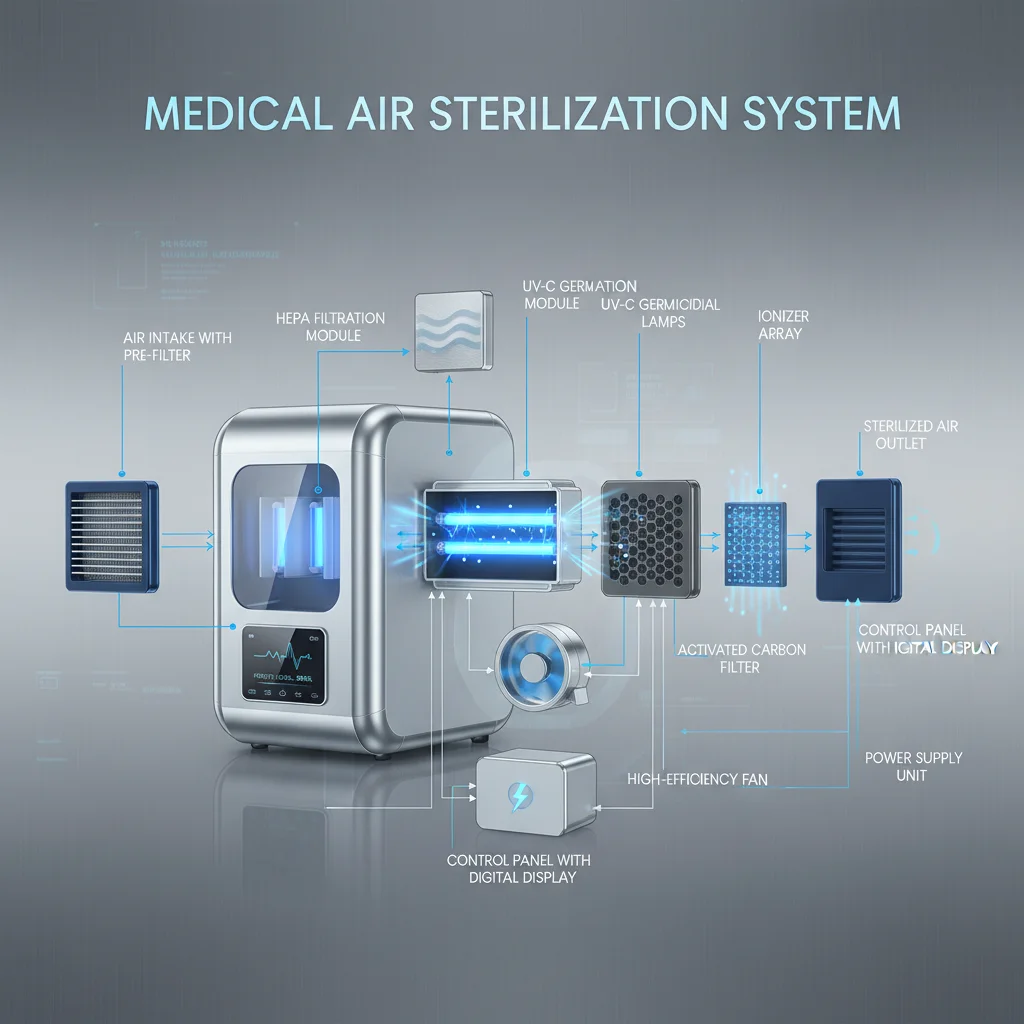
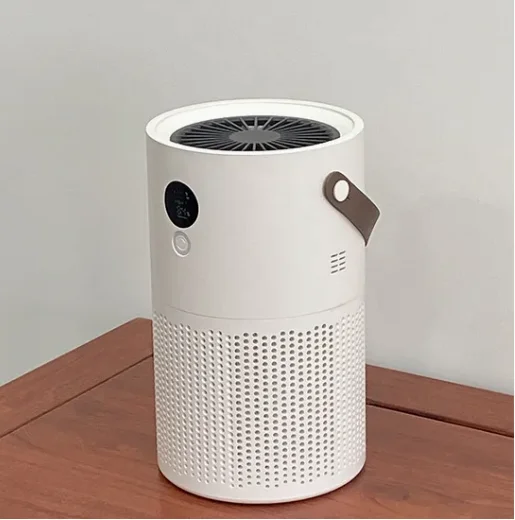
An air purifier is a device designed to physically remove contaminants from the air. Most air purifiers use a multi-stage filtration system, typically including:
Pre-filters for large particles like dust and hair
HEPA filters for fine particles (PM2.5, pollen, smoke)
Activated carbon filters for odors and chemical gases
Some advanced models also include UV-C light or ionization modules, but the core function remains filtration-based removal.
Air purifiers are especially effective in:
Allergy prevention (pollen, dust mites)
Asthma management
Reducing particulate pollution in urban environments
Removing smoke and pet dander
However, air purifiers depend heavily on airflow and filter maintenance. Once filters become saturated, efficiency decreases, and replacement costs must be considered.
An air sanitizer, in contrast, focuses on neutralizing or inactivating airborne microorganisms rather than physically trapping them. These devices often use technologies such as:
UV-C germicidal irradiation
Ozone generation (in controlled environments)
Plasma ionization
Photocatalytic oxidation (PCO)
The goal is not just to capture pollutants, but to destroy bacteria, viruses, and mold spores at a molecular level.
Air sanitizers are commonly used in:
Hospitals and clinics
Food processing facilities
Laboratories
High-risk enclosed environments
Because they act on microbial contamination, they are often chosen in scenarios where infection control is the primary concern.
1. Mechanism of Action
Air purifiers rely on physical filtration, while air sanitizers rely on chemical or radiation-based neutralization. This is the most fundamental difference between the two systems.
2. Target Contaminants
Air Purifier: dust, allergens, smoke, PM2.5
Air Sanitizer: bacteria, viruses, mold, pathogens
3. Maintenance Requirements
Air purifiers require periodic filter replacement, while air sanitizers may require lamp replacement (UV systems) or electrode maintenance (plasma systems).
4. Safety Considerations
Air purifiers are generally safe for continuous use in occupied spaces. Some air sanitizers (especially ozone-based systems) require controlled operation to avoid excessive exposure.
5. Performance in Real Environments
Air purifiers perform best in particulate-heavy environments. Air sanitizers perform best in microbial-heavy or sterilization-critical environments.
Which One Is More Effective?
The answer depends on the use case rather than a universal winner.
If your primary concern is allergens, dust, and particulate pollution, an air purifier for sale is the more effective solution. It provides measurable and consistent reduction in airborne particles and is widely recommended for residential use.
If your primary concern is microbial control, especially in environments where infection risk is high, an air sanitizer offers superior performance. Hospitals, laboratories, and food facilities often prioritize sanitization over filtration alone.
In many professional environments, the best solution is not choosing one over the other but using a combined air management strategy.
Can They Be Used Together?
Yes. In fact, combining both systems often delivers the most comprehensive air quality control.
A typical hybrid setup includes:
Air purifier for particulate removal
Air sanitizer for microbial neutralization
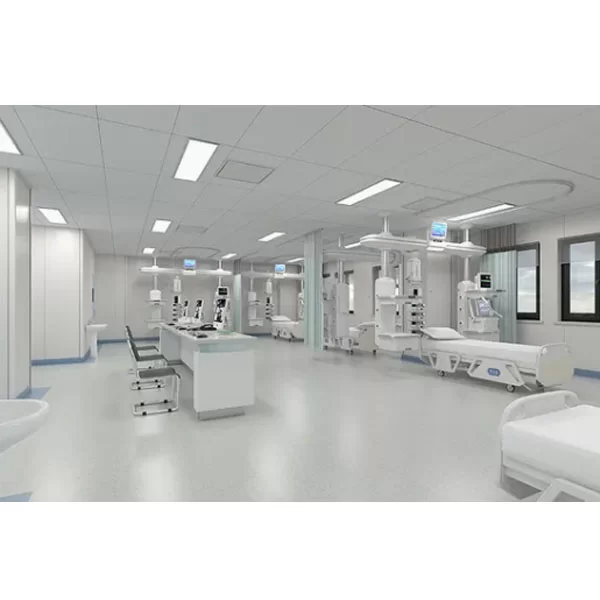
This dual-layer approach ensures that both physical pollutants and biological contaminants are addressed simultaneously. For example, in a hospital room, an air purifier may remove dust and aerosols, while a sanitizer reduces airborne pathogens.
Energy Efficiency and Operational Cost
Air purifiers generally consume moderate energy depending on fan speed and size. The major recurring cost is filter replacement, especially HEPA filters.
Air sanitizers vary widely:
UV-based systems: low operational cost but require lamp replacement
Ozone systems: low energy usage but restricted operational environments
Plasma systems: moderate energy consumption with minimal consumables
From a cost perspective, air purifiers often have more predictable maintenance expenses, while sanitizers may have lower consumable costs but stricter usage limitations.
Safety and Health Considerations
Air purifiers are considered safe for continuous human exposure. Their filtration-based mechanism does not introduce secondary chemical reactions into the environment.
Air sanitizers require more careful selection. For instance:
UV-C systems are safe when enclosed properly
Ozone generators must be used only in unoccupied or controlled spaces
Poorly designed ionizers may produce unwanted byproducts
Therefore, safety compliance and certification are critical when selecting an air sanitizer system.
Industry Applications
Different industries prioritize different technologies:
Residential use: air purifiers dominate due to safety and simplicity
Healthcare: combination systems are often used
Industrial manufacturing: sanitizers are used for microbial control in controlled environments
Food industry: air sanitizers are essential for hygiene compliance
This segmentation shows that neither system is universally superior; instead, each is optimized for specific operational requirements.
Final Verdict: Which One Should You Choose?
Choosing between an air sanitizer and an air purifier depends entirely on your air quality goals:
Choose an air purifier if your priority is removing dust, allergens, smoke, and particulate pollution in daily living spaces.
Choose an air sanitizer if your priority is eliminating bacteria, viruses, and biological contamination in controlled or high-risk environments.
Choose both if you need comprehensive air quality management across both particulate and microbial threats.
In modern environments where air quality challenges are increasingly complex, integrated solutions are becoming the standard rather than the exception. The most effective strategy is not choosing one over the other, but matching the technology to the specific contamination profile of your environment.