Hit enter to search or ESC to close
6 March 2026
When it comes to industrial gases, having a reliable and safe supply is paramount. Nitrogen is a versatile gas used across a wide range of applications, from food packaging and preserving to manufacturing and chemical processing. A new 20 cu ft steel nitrogen cylinder provides a portable and efficient solution for businesses and individuals alike. This article will delve into the benefits, applications, safety considerations, and key specifications of these cylinders, helping you make an informed decision for your nitrogen needs. We'll explore why choosing the right cylinder, like those available at Store Oxygen, is critical for operational efficiency and safety.
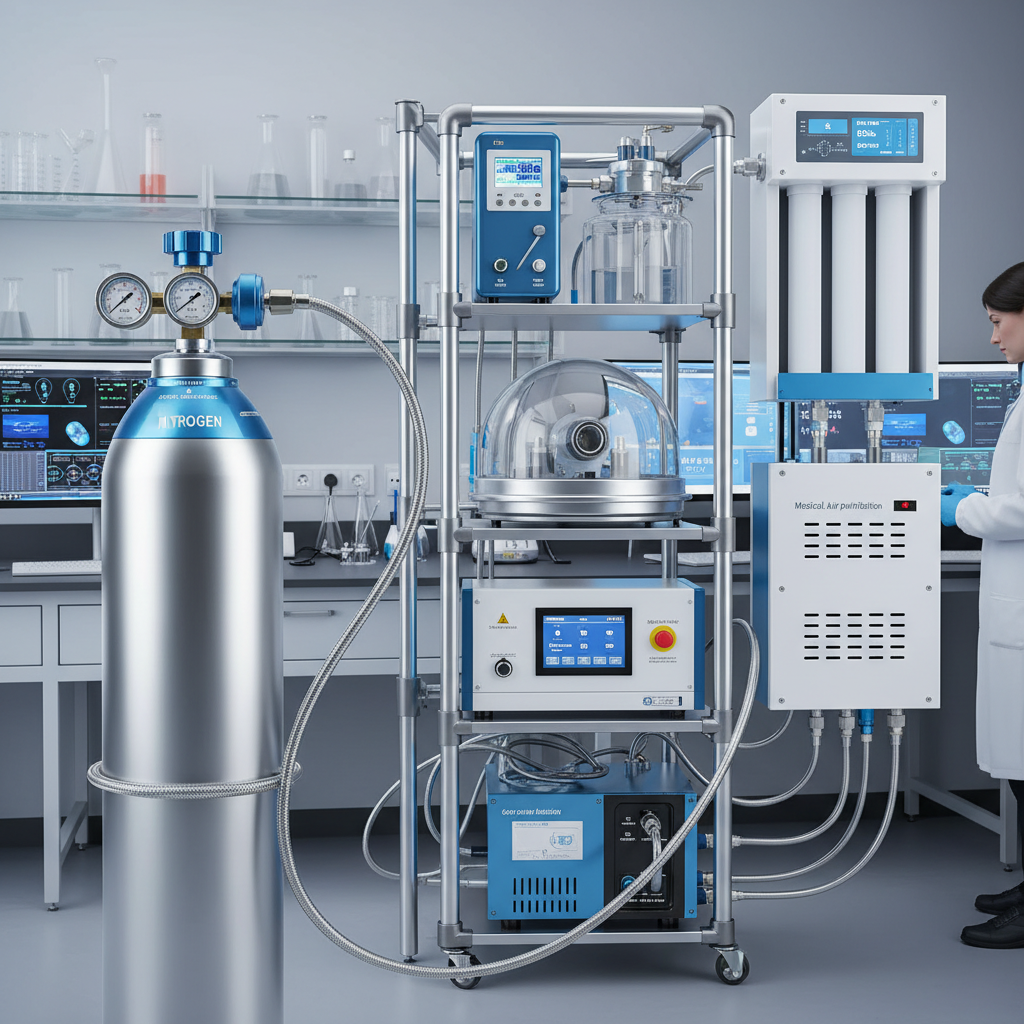
Nitrogen's inert properties make it indispensable across many sectors. In the food and beverage industry, it’s used for Modified Atmosphere Packaging (MAP) to extend shelf life and maintain product quality. The electronics industry utilizes it for soldering and purging. Pharmaceutical companies rely on nitrogen for preserving sensitive compounds. Manufacturing processes use nitrogen for laser cutting, welding, and as a purging gas. Its use extends to laboratory settings, medical applications, and even tire inflation. A 20 cu ft nitrogen cylinder is a convenient source for many of these applications where larger, bulk supplies aren't practical or necessary.
Key Applications: Food Packaging, Electronics Manufacturing, Pharmaceutical Preservation, Laboratory Use, Welding and Laser Cutting.
Nitrogen cylinders come in various sizes, measured in cubic feet (cu ft). The 20 cu ft cylinder strikes a balance between portability and gas volume. Larger cylinders (e.g., 40 cu ft, 60 cu ft) offer more gas but are heavier and less convenient to move. Smaller cylinders (e.g., 5 cu ft, 10 cu ft) are lighter but require more frequent refilling. A new 20 cu ft steel nitrogen cylinder provides a substantial gas supply suitable for numerous applications without being unwieldy. It's an ideal size for mobile applications or businesses with moderate nitrogen consumption.
Cylinder Size Considerations:
• Portability
• Gas Consumption Rate
• Refilling Frequency
• Storage Space
Steel cylinders are the industry standard for high-pressure gas storage due to their strength and durability. They are designed to withstand the high pressures required to compress nitrogen gas efficiently. Compared to aluminum cylinders, steel offers a higher pressure rating, making them suitable for a wider range of applications. When purchasing a new 20 cu ft steel nitrogen cylinder, ensure it's DOT-approved (Department of Transportation) and has been recently hydrostatically tested to ensure its integrity. Features to look for include a protective collar and a standard CGA connection for compatibility with regulators.
Nitrogen, while non-toxic, is an asphyxiant. This means it displaces oxygen, and in poorly ventilated areas, can lead to oxygen deficiency and unconsciousness. Always use nitrogen cylinders in well-ventilated spaces. Secure cylinders upright with straps or chains to prevent them from falling. Store them away from heat sources, flammable materials, and direct sunlight. Never attempt to repair or modify a nitrogen cylinder. Regularly inspect cylinders for damage and ensure the valve is in good working order. Store Oxygen provides detailed safety guidelines and resources on their website.
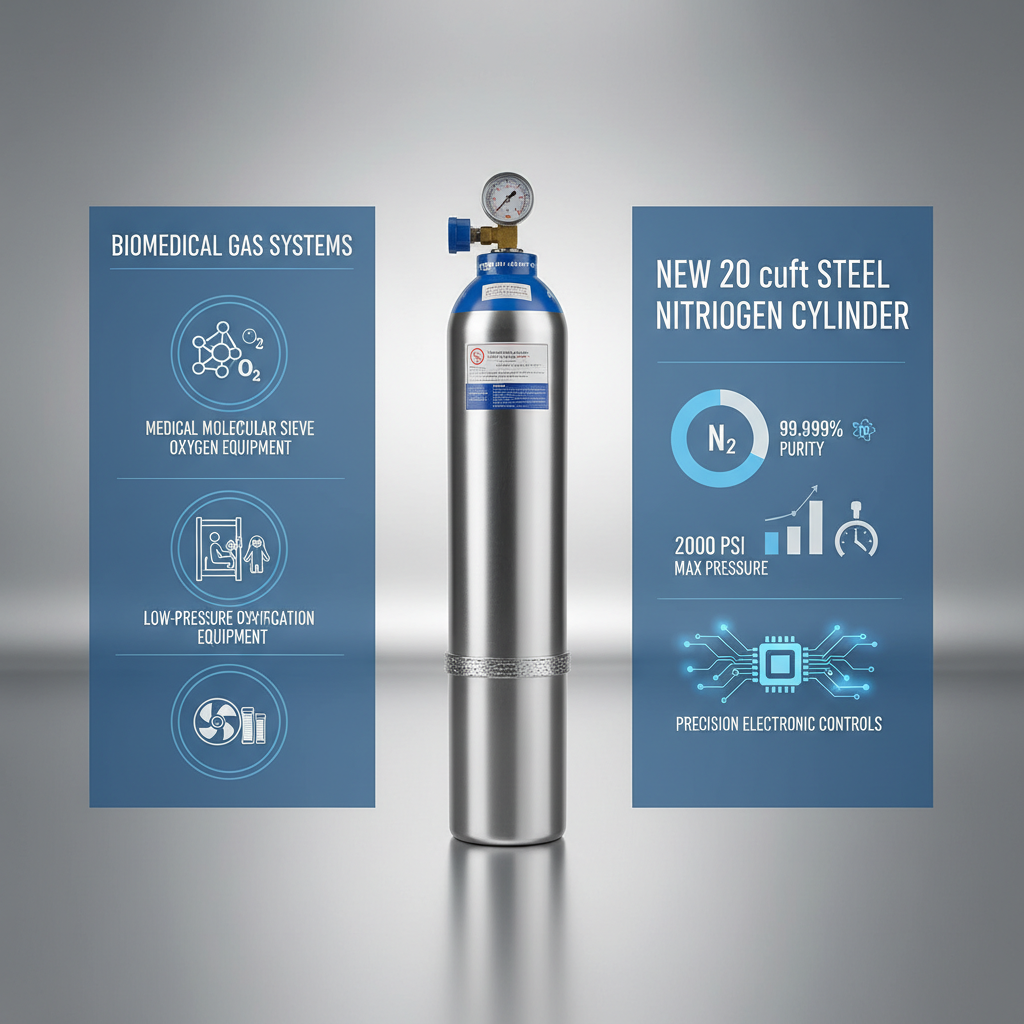
Here are some typical specifications for a new 20 cu ft steel nitrogen cylinder:
A new 20 cu ft steel nitrogen cylinder is a valuable asset for numerous industries and applications. By understanding its features, safety requirements, and proper handling procedures, you can ensure a safe and efficient nitrogen supply. Store Oxygen offers a wide selection of high-quality cylinders and expert support to meet your nitrogen needs. Invest in quality and safety – choose Store Oxygen.
The frequency of refilling depends entirely on your nitrogen consumption rate. Monitor your usage and establish a refilling schedule that prevents you from running out of gas during critical operations. Consider having a backup cylinder on hand for uninterrupted service. Store Oxygen offers convenient refill services and delivery options to minimize downtime. Regular refills also ensure you always have a cylinder that's been inspected for safety.
"DOT-approved" signifies that the cylinder meets the safety standards set by the United States Department of Transportation. These standards cover the cylinder's design, construction, testing, and performance. A DOT-approved cylinder has undergone rigorous testing to ensure it can safely contain high-pressure gases. It’s illegal to transport or use nitrogen cylinders that are not DOT-approved. Always verify the DOT certification mark on the cylinder before use.
You'll need a regulator specifically designed for nitrogen gas and compatible with the CGA 580 connection found on standard 20 cu ft cylinders. The regulator reduces the high pressure within the cylinder to a usable working pressure for your application. It’s crucial to choose a regulator with the correct flow rate for your needs. Store Oxygen offers a range of compatible regulators and can help you select the appropriate model for your specific requirements.
Yes, hydrostatic testing is a mandatory safety requirement for nitrogen cylinders. It involves pressurizing the cylinder with water to a pressure exceeding its working pressure to check for leaks, weaknesses, or corrosion. This testing must be performed by a qualified testing facility at regular intervals (typically every 5 years) to ensure the cylinder’s structural integrity. Store Oxygen can provide information on certified hydrostatic testing facilities in your area.