Hit enter to search or ESC to close
3 March 2026
In numerous industrial applications, a reliable and cost-effective source of nitrogen gas is essential. Molecular Sieve Nitrogen Generators offer a compelling alternative to traditional nitrogen delivery methods like liquid nitrogen or compressed gas cylinders. This article will delve into the technology behind these generators, their benefits, applications, and factors to consider when choosing the right system. Understanding the nuances of molecular sieve nitrogen generation is crucial for optimizing your operations and reducing costs.
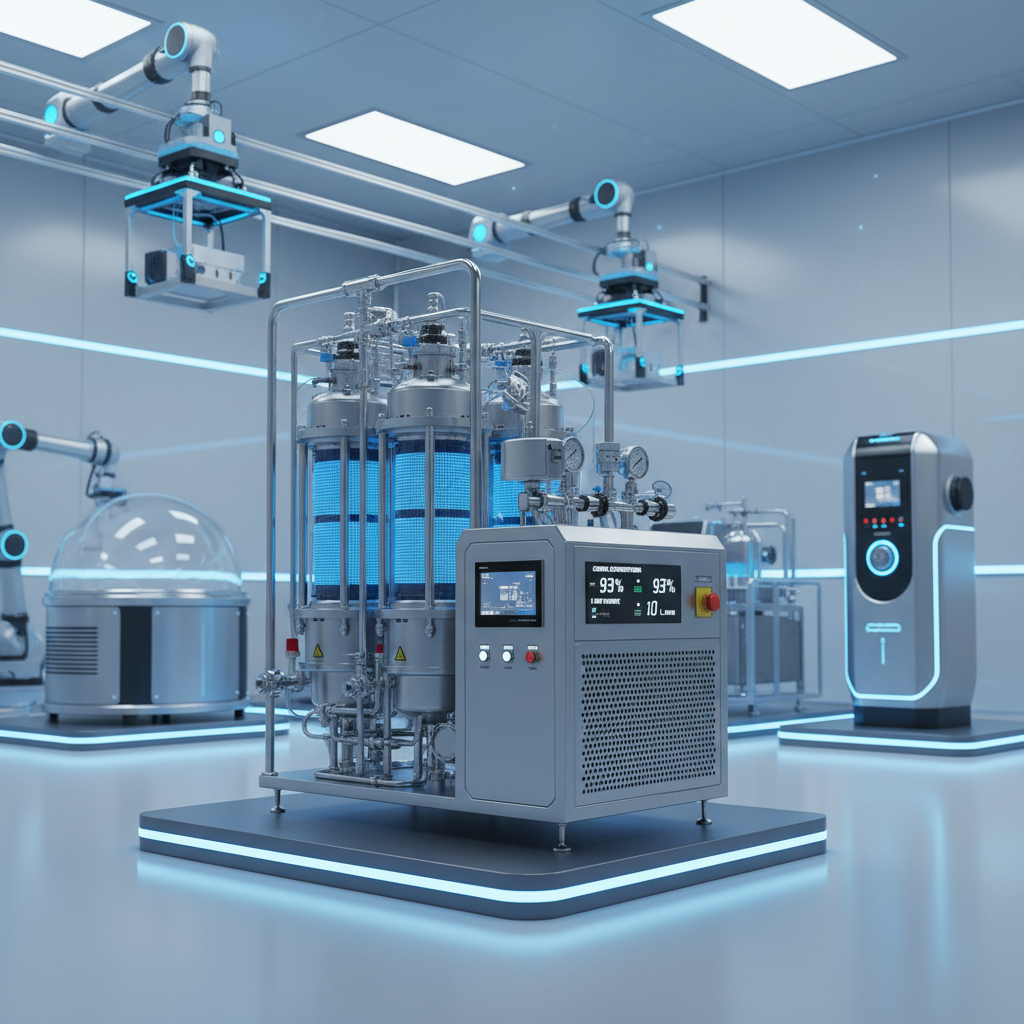
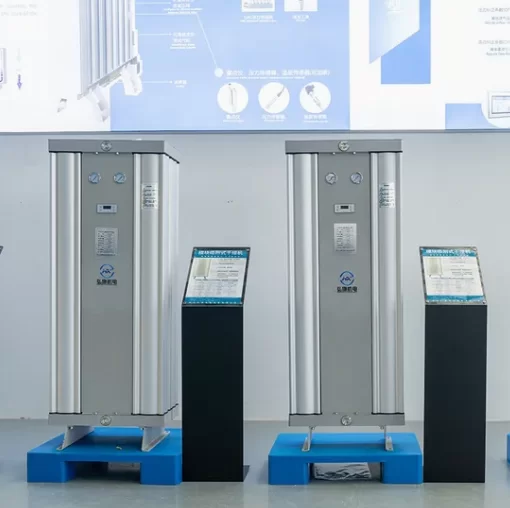
Molecular sieve nitrogen generators utilize a process called Pressure Swing Adsorption (PSA). Ambient air, which is approximately 78% nitrogen, 21% oxygen, and 1% other gases, is compressed and passed through a vessel containing a special adsorbent material known as a molecular sieve. This sieve selectively adsorbs oxygen, along with water vapor and carbon dioxide, leaving behind a high-purity nitrogen stream. The process involves multiple adsorption towers that cycle through compression, adsorption, and regeneration phases, ensuring a continuous supply of nitrogen. This technology delivers a reliable, on-demand nitrogen source without the logistical challenges and costs associated with traditional methods.
Key Highlights: The PSA process ensures continuous nitrogen supply, eliminates the need for cryogenic storage, and provides customizable purity levels.
The applications of nitrogen generators are incredibly diverse, spanning a multitude of industries. Some key examples include: food packaging (modified atmosphere packaging to extend shelf life), electronics manufacturing (inerting and soldering processes), metal fabrication (laser cutting and welding), pharmaceutical production (blanketing and purging), chemical processing, and laboratory research. The ability to generate nitrogen on-site eliminates the reliance on external suppliers and provides greater control over gas quality and supply.
Industries Utilizing Nitrogen Generators:
• Food and Beverage
• Electronics
• Metalworking
• Pharmaceuticals
• Chemical Processing
Choosing the right nitrogen source requires a careful assessment of your needs and budget. Compared to liquid nitrogen and compressed nitrogen gas cylinders, molecular sieve nitrogen generators offer significant advantages in terms of cost, convenience, and environmental impact. Liquid nitrogen requires cryogenic storage and is subject to boil-off losses. Compressed gas cylinders involve frequent deliveries, storage space limitations, and potential safety hazards. Here’s a detailed comparison:
Selecting the right nitrogen generator requires careful consideration of several factors. These include your nitrogen demand (flow rate and pressure), desired purity level, available space, power supply, and maintenance requirements. It's important to choose a reputable supplier like Store Oxygen that offers quality equipment, reliable support, and customized solutions to meet your specific needs. Proper sizing and installation are crucial for optimal performance and longevity.
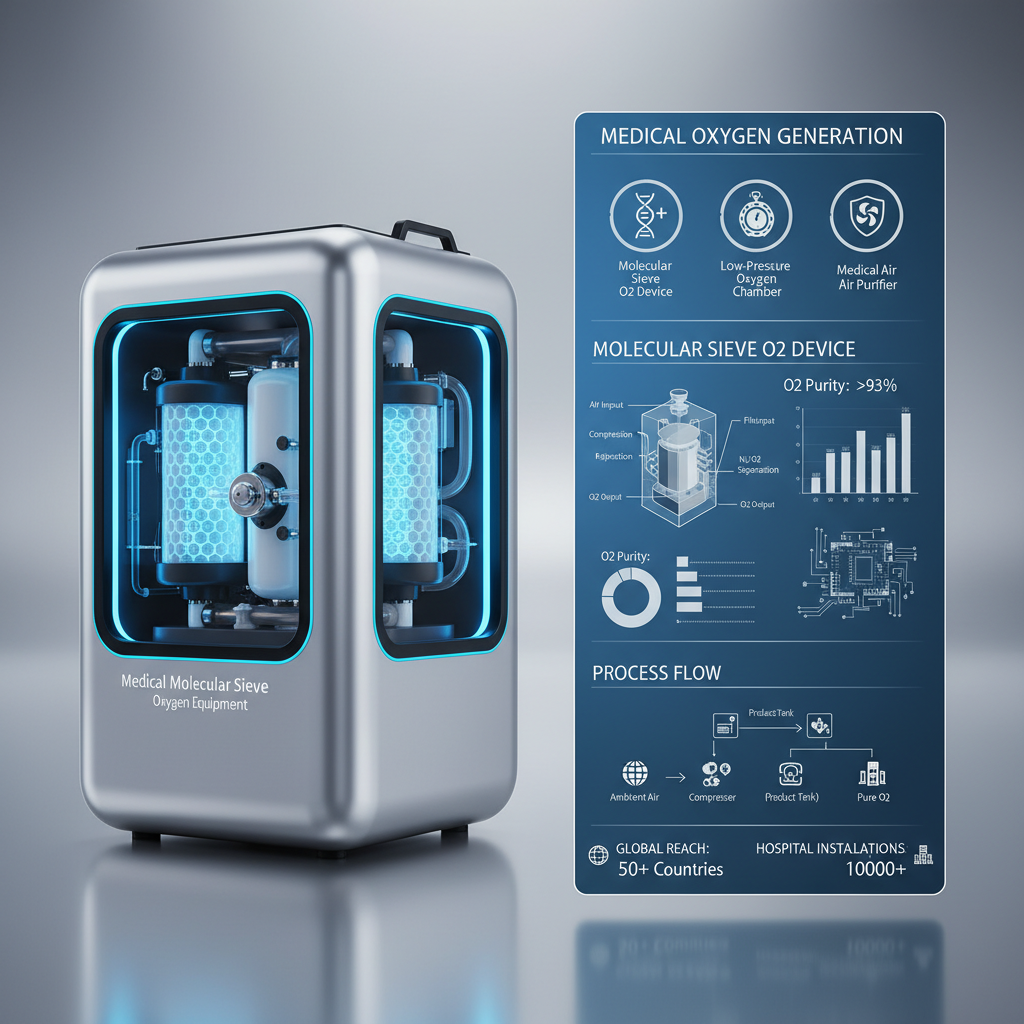
Below is a general overview of typical nitrogen generator specifications. Specific models and configurations will vary. Contact Store Oxygen for detailed specifications on available models:
Investing in a molecular sieve nitrogen generator offers a compelling solution for businesses seeking a reliable, cost-effective, and environmentally responsible nitrogen supply. By eliminating the drawbacks of traditional nitrogen sources, these generators empower organizations to optimize their operations and achieve greater efficiency. Store Oxygen provides a range of high-quality nitrogen generators and expert support to help you find the perfect solution for your specific application.
Regular maintenance is crucial for ensuring optimal performance and longevity. This typically includes replacing the inlet air filter, inspecting the molecular sieve for degradation, and checking for any air leaks. The frequency of maintenance will depend on the operating environment and usage. Store Oxygen offers comprehensive maintenance packages and support to help you keep your generator running smoothly. We recommend a preventative maintenance schedule, typically involving filter changes every 6-12 months and sieve replacement every 5-10 years, depending on operating conditions and usage patterns. Promptly addressing any unusual noises or performance issues will also help prevent more significant problems.
Molecular sieve nitrogen generators typically achieve nitrogen purities ranging from 95% to 99.5%. The specific purity level can be adjusted by modifying the generator’s operating parameters. Higher purity levels require more efficient sieves and potentially slower flow rates. The purity level needed will depend on your specific application. For example, food packaging often requires 99% purity, while some industrial applications may be satisfied with 95% or 98% purity.
Compared to liquid nitrogen production and gas cylinder delivery, molecular sieve nitrogen generators are generally more energy efficient. They utilize compressed air, which is often readily available in industrial settings, and the PSA process itself requires relatively low energy input. However, energy consumption will vary depending on the generator’s size, flow rate, and operating pressure. Selecting a properly sized generator and implementing energy-saving measures, such as optimizing air compressor efficiency, can further reduce energy costs.
The installation time will vary depending on the generator's size and complexity, as well as the site's existing infrastructure. Typically, installation involves connecting the generator to a compressed air supply, providing an electrical connection, and connecting the nitrogen outlet to your distribution system. Store Oxygen offers professional installation services to ensure a quick and hassle-free setup. A standard installation for a small to medium-sized generator can usually be completed within a day or two.