Hit enter to search or ESC to close
When evaluating the 5l oxygen concentrator price, most buyers focus solely on the initial purchase cost, often overlooking the long-term operational expenses and technical efficiency. For patients and wellness centers, a 5-liter system represents a critical middle-ground between portable small-flow devices and heavy-duty industrial generators, providing a sustainable flow for those requiring moderate oxygen supplementation.
The pricing of these devices is not arbitrary; it is driven by the quality of the molecular sieve, the durability of the compressor, and the precision of the flow control systems. As the medical equipment industry shifts toward smarter, more energy-efficient designs, the value proposition has evolved from simply "providing oxygen" to ensuring "stable purity with minimal noise."
Understanding the variables that influence the cost allows procurement officers and home-care users to distinguish between budget-grade units and professional-grade medical instruments. This guide examines the technical drivers of cost and explores higher-capacity alternatives for comprehensive wellness management.


The pricing of 5L concentrators is largely determined by the Pressure Swing Adsorption (PSA) technology efficiency. A lower-cost unit often utilizes a smaller molecular sieve bed or a lower-grade compressor, which may result in fluctuating oxygen purity as the flow rate increases toward the 5L maximum.
Conversely, premium units maintain a consistent 93%±3% purity across the entire flow range. This stability requires more robust valves and higher-quality zeolite, which increases the upfront cost but significantly reduces the risk of therapeutic failure in clinical environments.
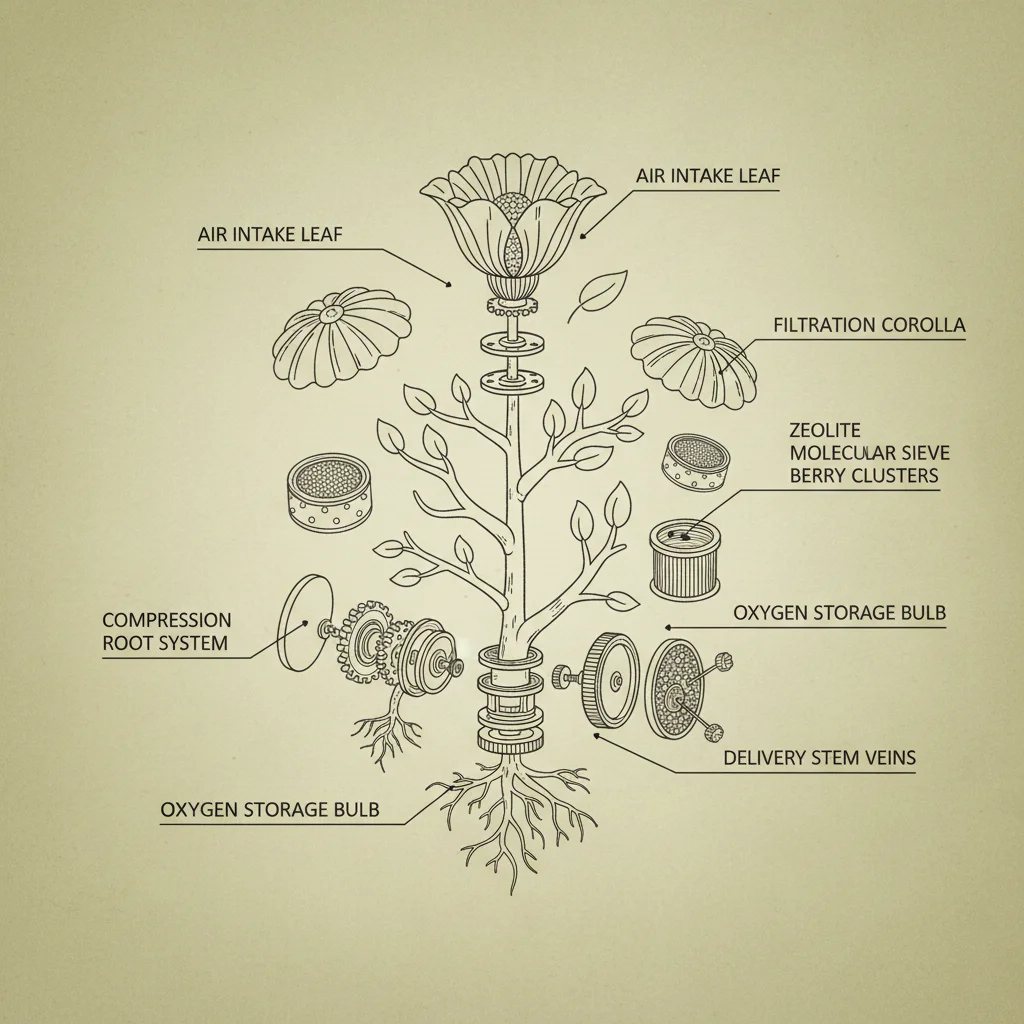
The primary cost drivers in 5L systems are the compressor and the molecular sieve. The compressor acts as the heart of the machine, pushing air through the zeolite beds; high-end oil-free compressors offer longer lifespans and lower noise levels, directly impacting the retail price. Lower-end models may suffer from overheating or excessive vibration, which shortens the machine's overall utility.
Additionally, the integration of intelligent monitoring systems adds to the cost. Modern units include real-time oxygen purity sensors and automatic alarm systems that notify the user if purity drops below 82%. These safety features are non-negotiable for medical-grade equipment but are often stripped from "wellness-grade" devices to lower the price point.
The chassis material and cooling architecture also play a role. Professional units utilize heat-dissipation designs that allow for 24/7 continuous operation without performance degradation, whereas cheaper alternatives are often designed for intermittent use, leading to a higher total cost of ownership due to frequent replacements.
There is a direct linear relationship between the guaranteed oxygen purity at maximum flow and the device's cost. While many manufacturers claim a 93% purity, the actual performance often dips as the user moves from 1L to 5L. Achieving "flat-line purity" requires a larger zeolite volume and more precise timing in the PSA cycle.
The true value of a medical oxygen system is not found in its lowest price, but in its ability to maintain therapeutic purity levels consistently over thousands of operational hours without requiring sieve replacement.
For those seeking enhanced therapy beyond simple concentration, the industry is moving toward integrated solutions. For example, combining a concentrator with a micro-pressure environment can significantly improve cellular oxygen absorption, shifting the investment focus from simple flow rates to systemic absorption efficiency.
When comparing different classes of oxygen equipment, it is helpful to look at the "Value Index," which balances the initial investment against the intended utility. Small concentrators are cost-effective for low-flow users, while 5L systems offer the versatility needed for more severe respiratory conditions or clinical settings.
For high-throughput wellness centers, the shift toward multi-person systems or large-scale generators provides a lower "per-user" cost. Moving from a single 5L unit to a centralized oxygen supply system drastically reduces long-term overhead and improves patient throughput.
In a home-care setting, the primary concern is often the noise-to-performance ratio. A 5L concentrator that operates at 50dB is far more valuable than a cheaper, louder model, as sleep quality is paramount for recovery. Users must evaluate if the device supports continuous flow or pulse dose, as this determines how the machine handles oxygen delivery during different activity levels.
For professional wellness centers, the focus shifts to "Client Throughput." While a single concentrator serves one person, investing in a Dual-Person Micro-Pressure Oxygen Chamber allows a provider to treat two clients simultaneously. This effectively doubles the utility of the facility's square footage and provides a higher return on investment than multiple standalone concentrators.
The industry is moving beyond the simple delivery of oxygen via nasal cannulas. We are seeing a convergence of oxygen concentration and pressure therapy. The integration of HEPA filtration and intelligent power management in newer systems ensures that the air delivered is not only oxygen-rich but entirely free of pollutants.
Advanced solutions, such as the L-type dual-person cabin, utilize eco-friendly polymers and precise pressure controls (10-90kpa) to optimize cellular absorption. This represents a shift from "supplemental oxygen" to "hyperbaric wellness," where the pressure environment enhances the efficacy of the oxygen delivered by the generator.
Future trends suggest that AI-driven monitoring will become standard, where the system automatically adjusts the flow rate based on the user's real-time blood oxygen saturation (SpO2), further optimizing the cost-to-benefit ratio of the equipment.
Choosing the right equipment requires a rigorous analysis of the intended use case. A patient requiring 2L/min for maintenance has different needs than a sports clinic focusing on rapid recovery. The decision should be based on a matrix of required flow, purity stability, and operational noise.
It is critical to avoid the "lowest price" trap. A cheap 5L concentrator that loses purity at 4L is functionally a 3L machine sold at a 5L price. Verifying CE certification and testing data for purity at maximum flow is the only way to ensure a safe investment.
The following table provides a qualitative framework for comparing standard concentrators against integrated micro-pressure solutions for professional wellness applications.
| Evaluation Factor | Standard 5L Unit | Micro-Pressure Cabin | Central PSA System |
|---|---|---|---|
| Primary Goal | Basic Supplementation | Cellular Absorption | Facility-Wide Supply |
| User Capacity | 1 Person | 1-2 Persons | Multiple Users |
| Operational Cost | Moderate | Low (Energy-Saving) | Lowest (per unit) |
| Purity Control | Fixed/Limited | High Precision | Industrial Grade |
| Space Requirement | Minimal | Moderate | Dedicated Plant Room |
| ROI Potential | Low (Consumer) | High (Wellness Center) | Extreme (Hospital) |
Price variations are primarily driven by the quality of the internal molecular sieve and the compressor. High-end units use medical-grade zeolite and oil-free compressors that maintain 93% purity even at the maximum 5L flow rate. Budget models often use lower-grade materials that cause purity to drop as flow increases, and they typically lack the advanced sensor arrays and noise-reduction housing found in professional equipment.
While a 5L concentrator is excellent for individual use, wellness centers often find better ROI in integrated solutions. For example, combining oxygen generation with a micro-pressure chamber, such as the L-type 2-person cabin, allows for simultaneous treatment of two clients. This not only increases throughput but also enhances the therapeutic effect by improving the cellular absorption of oxygen through adjustable working pressures.
Look for CE certification and a detailed technical specification sheet that guarantees oxygen purity at the maximum rated flow. A medical-grade device will typically specify a purity of 93%±3% at 5L/min. Additionally, check for the presence of an oxygen purity alarm and a high-quality HEPA filtration system, which are standard requirements for ensuring patient safety and air purity in clinical settings.
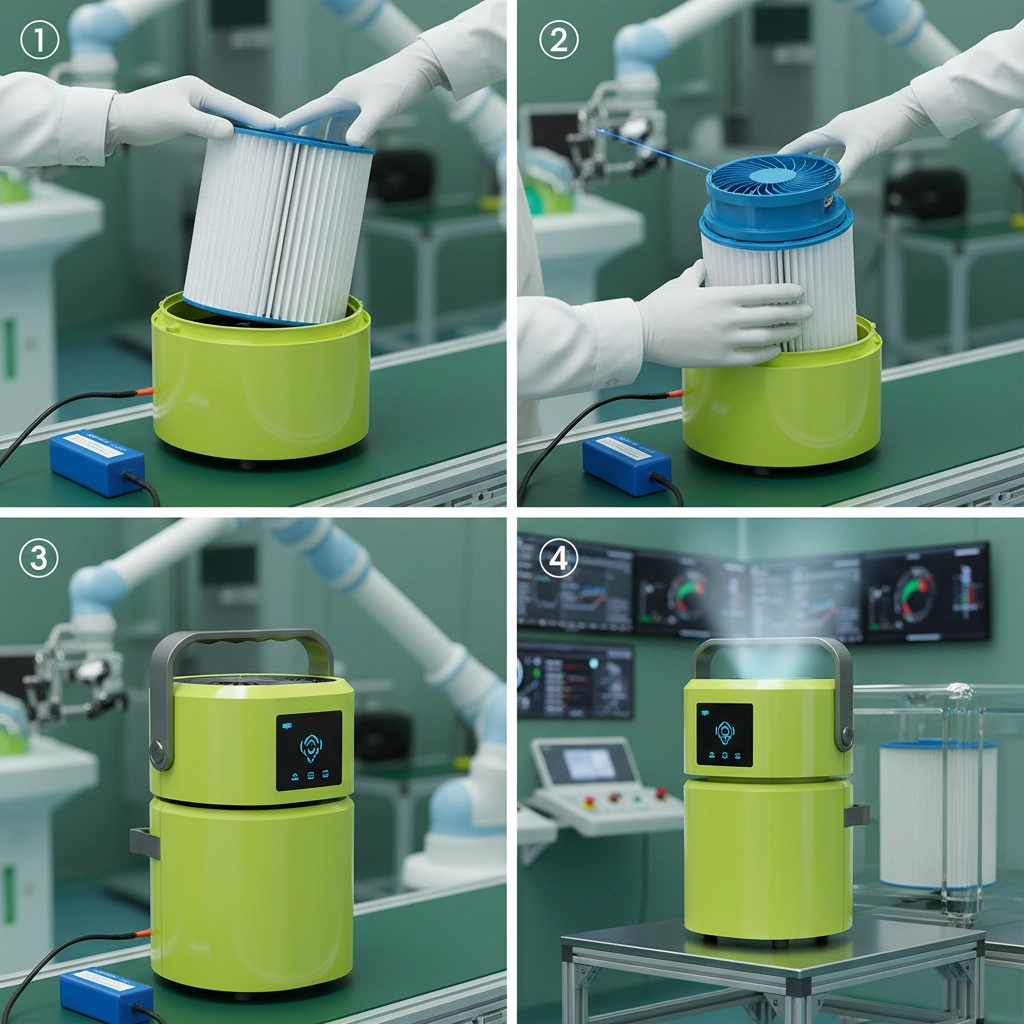
Long-term costs include replacing the air intake filters and, eventually, the molecular sieve. Higher-quality machines often feature modular designs that make filter replacement simpler and extend the sieve's lifespan. Energy consumption is another factor; units with intelligent power-saving modes and high-efficiency compressors significantly reduce monthly electricity bills, especially in 24/7 operational environments.
A standard concentrator simply delivers high-purity oxygen via a mask or cannula. A micro-pressure chamber, like those produced by Hebei Lixin Medical Engineering, creates a controlled, pressurized environment (e.g., 10-90kpa). This pressure forces oxygen more efficiently into the blood plasma and tissues, accelerating physical recovery and improving systemic circulation far more effectively than atmospheric delivery alone.
Yes, for larger facilities, the industry recommends shifting from individual concentrators to a Medical Center Oxygen Supply System. This involves using large-scale PSA oxygen generators and a distribution pipeline. This approach centralizes maintenance, ensures a consistent supply for dozens of beds, and reduces the noise and heat associated with having multiple individual concentrators running in patient wards.
When analyzing the 5l oxygen concentrator price, it is essential to shift the perspective from "cost of purchase" to "cost of therapy." A device that maintains stable purity and operates quietly is not an expensive luxury, but a technical necessity for effective respiratory support and professional wellness management.
Whether investing in a standalone 5L unit or an advanced dual-person micro-pressure system, the goal remains the same: maximizing oxygen absorption while minimizing operational risk. By focusing on certification, purity stability, and energy efficiency, buyers can ensure a sustainable health investment that meets international medical standards.