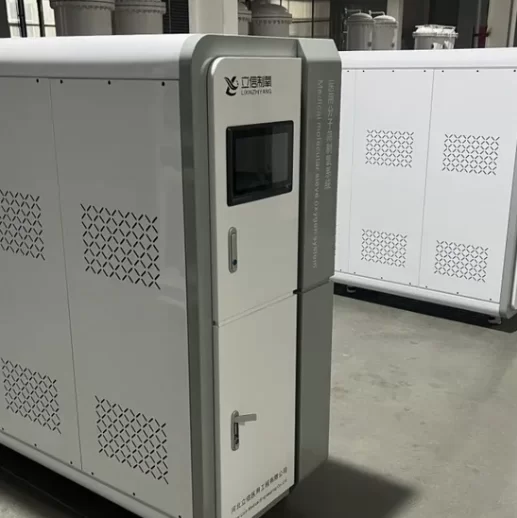
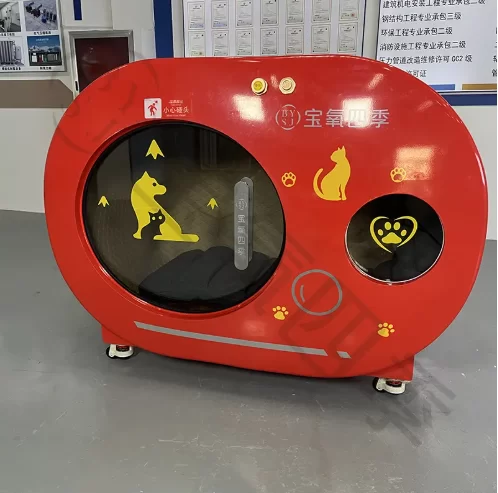
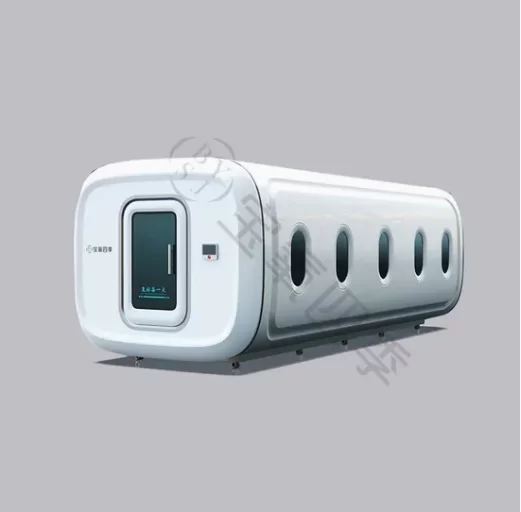
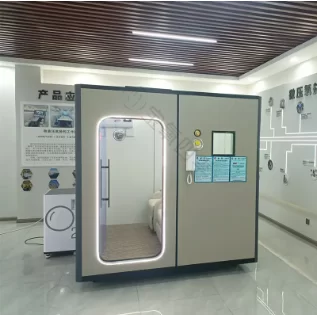
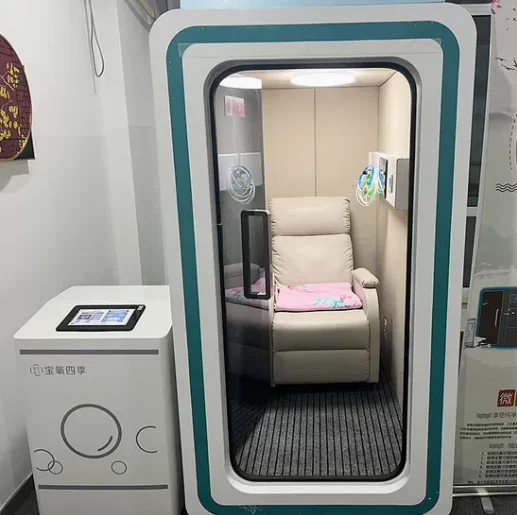
Advanced medical oxygen generator machine Solutions for US Healthcare

Engineering high-purity respiratory support and sterile air environments tailored for the rigorous standards of the North American medical infrastructure.

The State of Respiratory Infrastructure in the United States

Addressing the critical demand for oxygen autonomy and air sterilization in North American medical facilities.

In the United States, the healthcare system is currently shifting toward decentralized oxygen production to mitigate the risks of supply chain disruptions seen in recent years. The integration of a high-capacity oxygen generator for hospital has become a strategic priority for regional clinics to ensure patient safety without relying solely on liquid oxygen deliveries.

Concurrent with oxygen needs, the prevalence of airborne pathogens and the strict FDA guidelines on sterile environments have surged the demand for specialized filtration. Hospitals are upgrading to a professional hospital air purifier system to maintain ISO-certified cleanroom standards in surgical theaters and intensive care units.

Furthermore, the aging population and the rise of chronic obstructive pulmonary disease (COPD) in the US have pushed the boundaries of care from the clinic to the bedroom. This has created a massive market for the home medical air purifier, allowing patients to maintain a clinical-grade environment within their residential spaces.
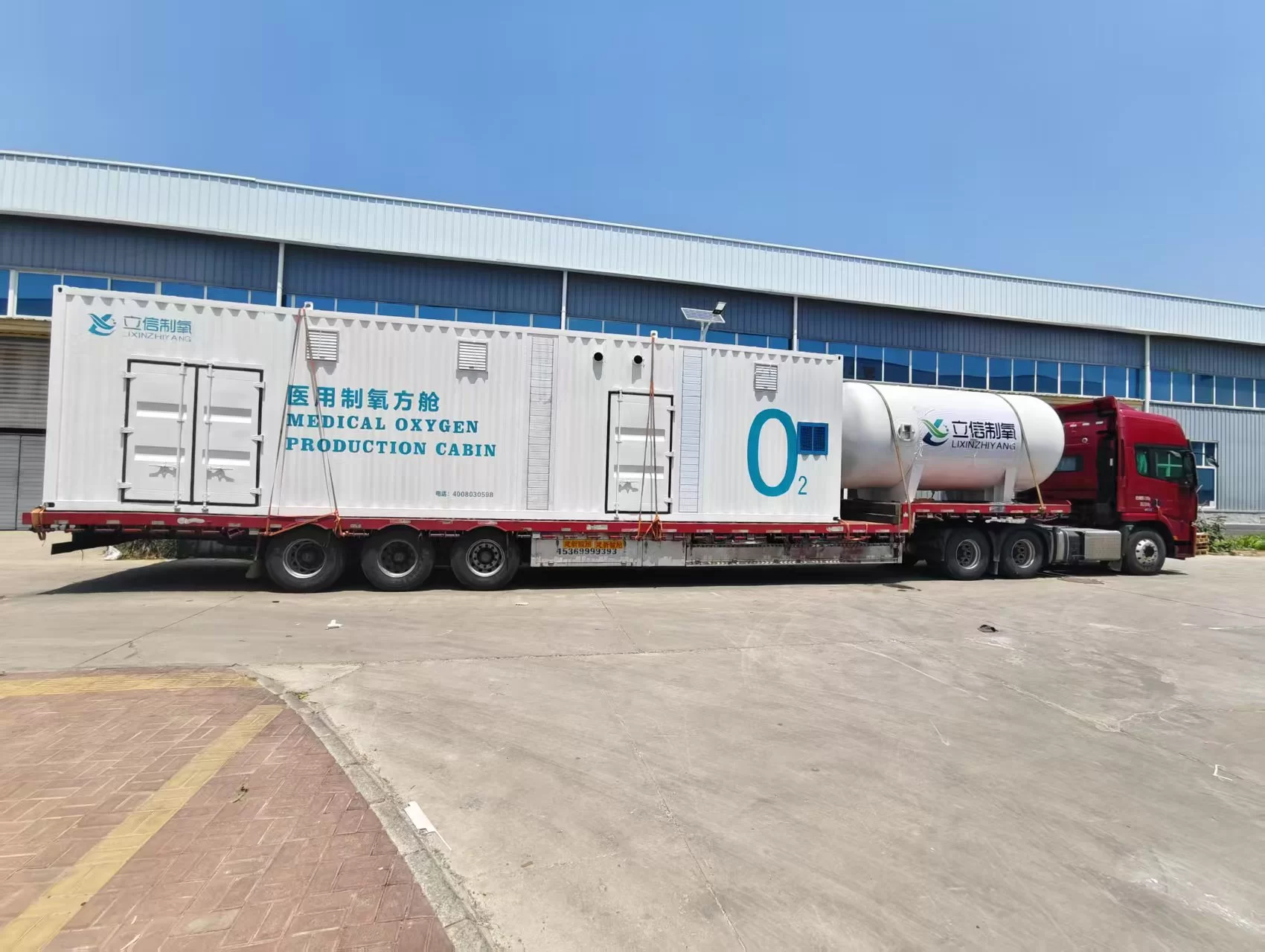
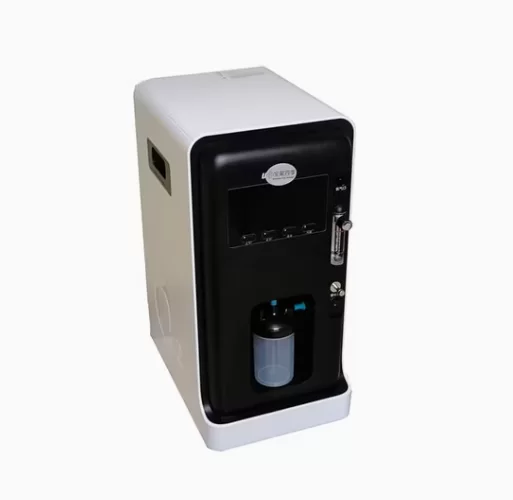
Evolution of Medical Oxygen and Air Purification Technology

From cylinder-dependent care to intelligent, on-site molecular sieve generation.

Market Development History

From the 1950s to the 1980s, US medical facilities relied almost exclusively on heavy steel cylinders and cryogenic liquid oxygen tanks, which presented significant logistical challenges and safety risks during transport and storage.

The 1990s saw the introduction of early Pressure Swing Adsorption (PSA) systems. This era marked the transition toward on-site generation, where the first generation of medical oxygen generator machine units began reducing the operational costs of mid-sized hospitals.

Entering the 2010s, the focus shifted toward "Smart Purification." The integration of HEPA H13/H14 filters and UV-C sterilization transformed the standard medical therapeutics air purifier from a simple filter into a comprehensive biological defense system.

Future Development Trends

AI-Driven Oxygen Demand Forecasting

Predictive algorithms will soon allow oxygen generators to adjust purity and flow rates based on real-time patient census data, optimizing energy consumption in US hospitals.

Nano-Fiber Photocatalytic Filtration

The next generation of air purifiers will move beyond passive filtration to active molecular breakdown of viruses, enhancing the efficacy of the hospital air purifier.

Portable High-Purity Concentrators

Miniaturization of zeolite molecular sieves will enable home-care devices to match the purity levels of stationary hospital equipment, redefining the home medical air purifier landscape.

Industry Trends and Future Outlook

Navigating the intersection of IoT, biotechnology, and respiratory engineering.

Decentralized Oxygen Production
Reducing reliance on external gas suppliers through on-site PSA generation to ensure 24/7 stability.
IoT-Integrated Monitoring
Real-time purity monitoring and remote diagnostic capabilities for hospital-wide oxygen grids.
Sterile Air Synergy
Combining oxygen therapy with advanced air purification to create total respiratory healing environments.
Eco-Friendly Zeolites
Development of sustainable, high-capacity molecular sieves to reduce the carbon footprint of oxygen production.

Industry Outlook

Based on Google search trends in the North American market, there is a significant increase in queries related to "medical-grade home air quality," signaling a shift toward preventative health at home. This trend suggests that the boundary between hospital-grade equipment and home-care devices is blurring.

We expect the US market to prioritize "resilience-as-a-service," where manufacturers provide not just the hardware but a guaranteed uptime for oxygen and air purity through integrated cloud monitoring and rapid-response maintenance.

Localized Application Scenarios in the United States

Implementing high-precision respiratory solutions across diverse US medical settings.

01. Urban Tertiary Hospitals in New York & Chicago

Deployment of large-scale oxygen generator for hospital systems to support high-density ICU wards, reducing the logistical burden of cylinder transport in congested city centers.

02. Specialized Surgical Centers in California

Installation of high-efficiency hospital air purifier units to maintain ultra-low particle counts in orthopedic and cardiac theaters, adhering to strict state health codes.

03. Home Care for COPD Patients in Florida

Integrating home medical air purifier systems with concentrators to ensure elderly patients in humid coastal climates have sterile, oxygen-rich indoor air.

04. Remote Rural Clinics in the Midwest

Providing autonomous medical oxygen generator machine units to clinics far from industrial gas hubs, ensuring life-saving oxygen is available regardless of delivery delays.

05. Holistic Wellness & Recovery Centers in Arizona

Utilizing medical therapeutics air purifier technology to create a "pure air" sanctuary for post-operative recovery and respiratory rehabilitation.

Brand Story

Global Development Journey of Hebei Lixin Medical Engineering Co., Ltd.

Founding Vision

Established with a mission to solve the "Oxygen Gap" in medical infrastructure, focusing on precision engineering for critical care.

Technical Breakthrough

Developed advanced PSA molecular sieve technology that increased oxygen purity stability by 15% over industry standards.

Global Expansion

Successfully entered the North American market, adapting equipment to meet US FDA and UL certification requirements.

Innovation Pivot

Expanded from pure oxygen generation into integrated air sterilization, blending oxygen therapy with medical-grade purification.

Future Commitment

Dedicated to creating a world where high-purity respiratory support is accessible, sustainable, and intelligent for every patient.

Comprehensive Respiratory Solutions for the United States Market

A full spectrum of oxygen generation and air purification hardware engineered for US clinical excellence.

Frequently Asked Questions - US Healthcare Edition

Expert answers to common queries regarding medical oxygen and air purification installation.

How does a medical oxygen generator machine ensure purity for ICU patients?

Our machines utilize advanced PSA (Pressure Swing Adsorption) technology with high-grade zeolite molecular sieves to strip nitrogen from the air, ensuring a constant purity level of 93% ± 3%, monitored in real-time by digital sensors.

What are the maintenance requirements for a hospital air purifier in a sterile zone?

Maintenance typically involves scheduled HEPA filter replacements based on airflow pressure drops. We recommend quarterly inspections of the UV-C lamps and sensor calibrations to maintain ISO cleanroom standards.

Is a home medical air purifier effective against common US household allergens?

Yes, our home-grade medical purifiers use multi-stage filtration (Pre-filter, HEPA H13, and Activated Carbon) to remove 99.97% of particles, including pet dander, pollen, and volatile organic compounds (VOCs).

Can an oxygen generator for hospital be integrated into existing wall-piping systems?

Absolutely. Our systems are designed to connect seamlessly with standard medical gas pipeline systems (MGPS), including integrated buffer tanks to manage peak flow demands across multiple wards.

What distinguishes a medical therapeutics air purifier from a standard commercial one?

Medical therapeutics purifiers are engineered for higher CADR (Clean Air Delivery Rate), utilize medical-grade non-offgassing materials, and include clinical-grade sterilization (like UVC or Plasma) to eliminate airborne pathogens.

What is the average lifespan of the molecular sieve in a US-based installation?

Under optimal operating conditions and with proper air pre-filtration, our high-grade molecular sieves typically last 5 to 8 years before requiring replacement to maintain peak oxygen purity.

Ready to Upgrade Your Respiratory Infrastructure?

Our engineering team provides full-cycle support for medical installations across the United States, from site survey to FDA-compliant commissioning.

Contact Us Now

If you are interested in our products, you can choose to leave your information here, and we will be in touch with you shortly.