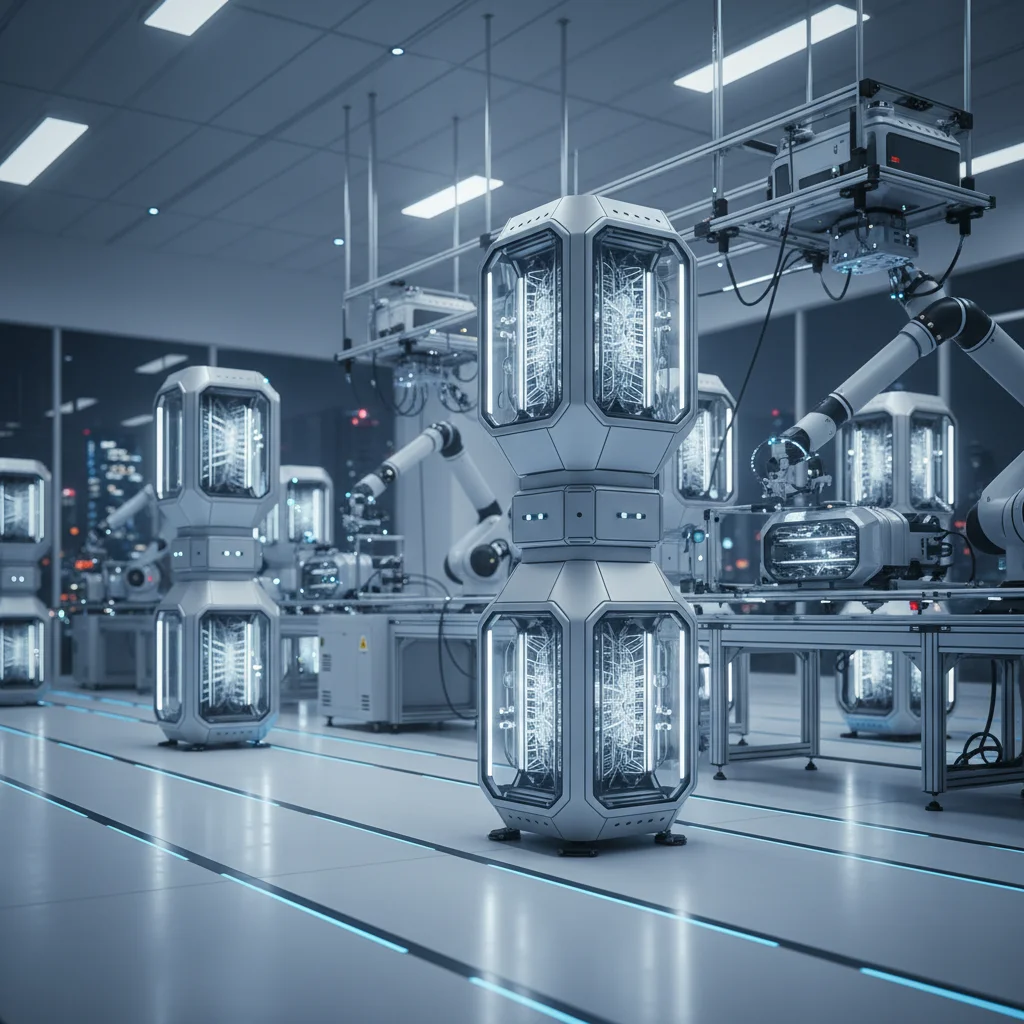
In the modern healthcare landscape, maintaining sterile and pollutant-free air is no longer a luxury but a fundamental clinical requirement. The emergence of the wall mounted purifier has revolutionized how medical facilities manage indoor air quality, moving away from cumbersome floor units to integrated, space-saving solutions that ensure a continuous flow of purified air.
Across the globe, the rise of airborne pathogens and the increasing prevalence of respiratory ailments have pushed hospitals and clinics to adopt more rigorous filtration standards. By utilizing a wall mounted purifier, facilities can significantly reduce the risk of healthcare-associated infections (HAIs) while optimizing the available floor space for critical patient care and medical equipment.
Understanding the technical nuances and operational advantages of these systems is essential for facility managers and medical professionals. From HEPA integration to antimicrobial coatings, the wall mounted purifier represents a strategic intersection of mechanical engineering and clinical safety, providing a reliable shield against microscopic contaminants.
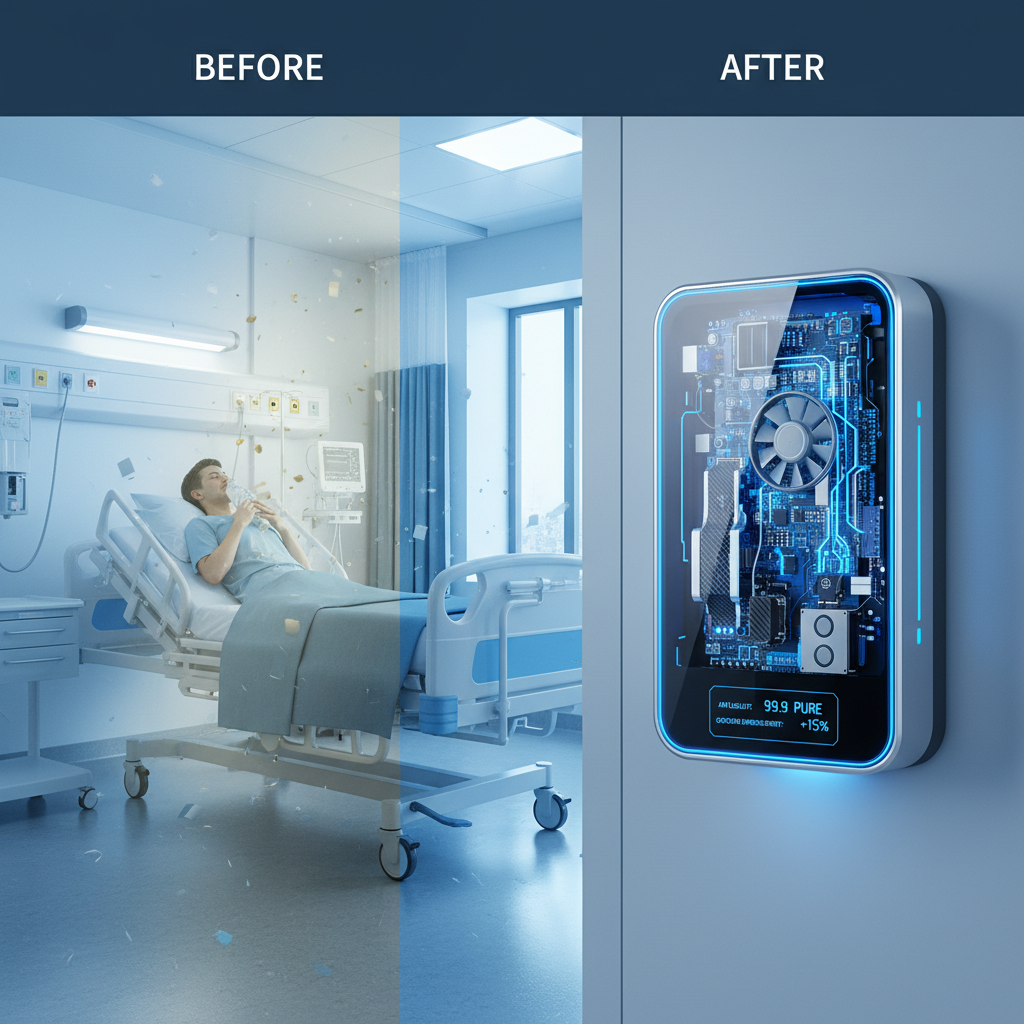
Global Relevance of Wall Mounted Purifiers
The global demand for advanced air filtration has surged, driven by ISO standards and WHO guidelines that emphasize the critical nature of air purity in sterile environments. In many developing regions, the challenge of inadequate ventilation leads to higher contamination rates; however, the deployment of a wall mounted purifier offers a scalable solution that does not require extensive architectural renovations.
By integrating these systems into operating theaters, ICUs, and dental clinics, healthcare providers can maintain a sterile "bubble" around the patient. This global shift toward decentralized, wall-integrated purification ensures that even in high-traffic corridors, the air remains stripped of volatile organic compounds (VOCs) and hazardous particulate matter.
Defining the Wall Mounted Purifier System
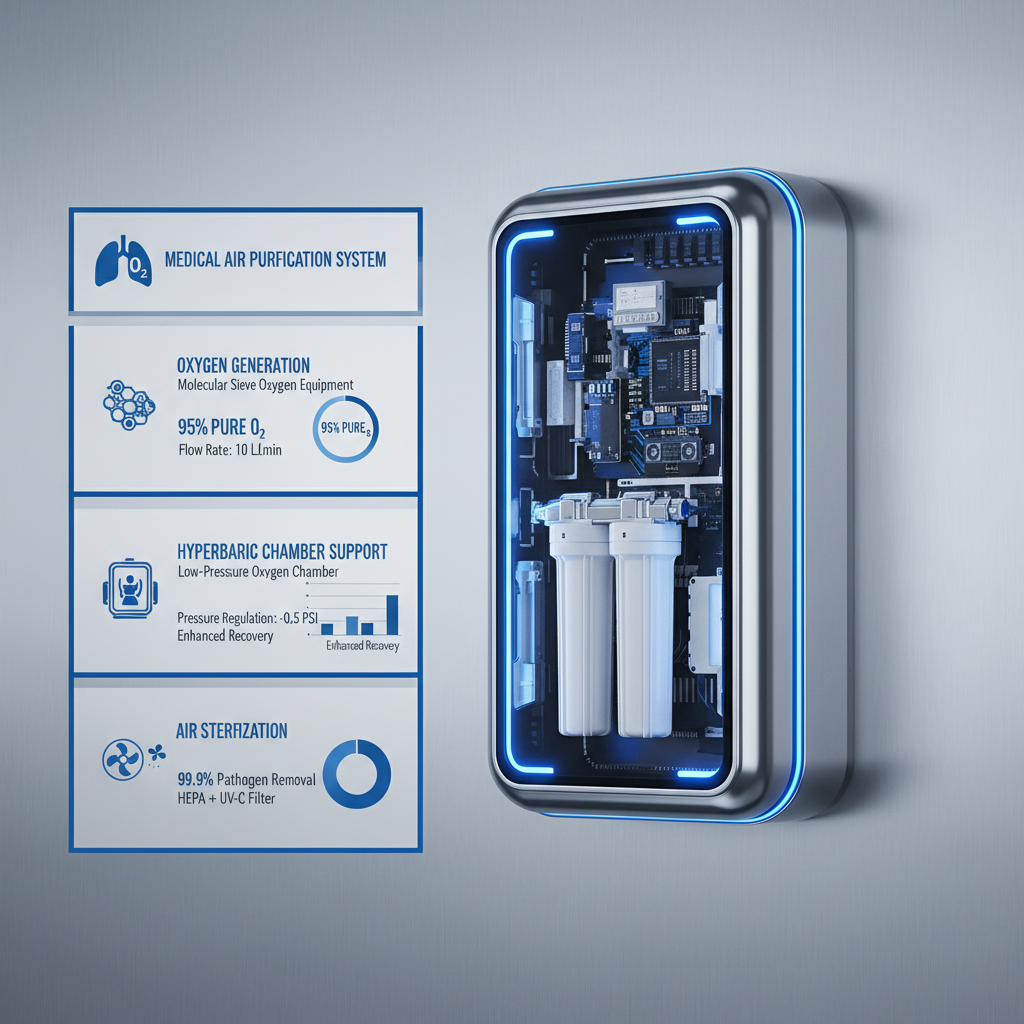
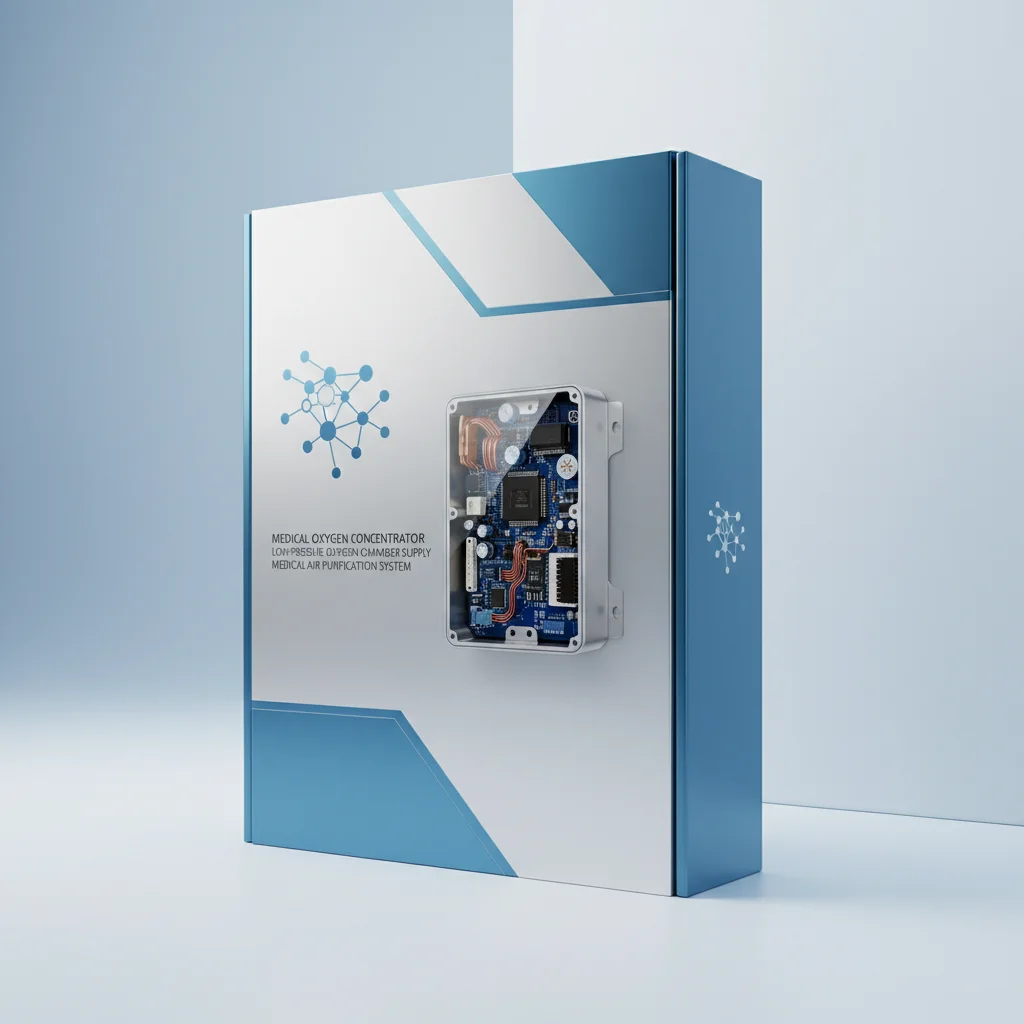
At its core, a wall mounted purifier is a specialized air filtration device designed to be permanently fixed to a vertical surface, utilizing high-efficiency particulate air (HEPA) filters and often UV-C sterilization to cleanse the immediate environment. Unlike portable air cleaners, these units are engineered for continuous operation and seamless integration with a room's existing airflow dynamics.
In the context of the medical instrument industry, this technology serves as a critical safeguard. It bridges the gap between massive central HVAC systems and the need for localized, ultra-clean zones. By mounting the unit on the wall, the device can draw air from the "breathing zone" of patients and clinicians, ensuring that contaminants are captured before they can settle on surgical surfaces.
Furthermore, these systems are designed to address humanitarian needs in remote clinics where central air purification is impossible. A wall mounted purifier provides a cost-effective way to create a "clean room" environment in temporary or modular medical structures, effectively reducing the transmission of airborne pathogens in underserved populations.
Core Components for Clinical Efficiency
The efficacy of a wall mounted purifier depends heavily on its filtration grade. Most medical-grade units employ H13 or H14 HEPA filters, which are capable of capturing 99.97% of particles as small as 0.3 microns, ensuring that bacteria and viral nuclei are effectively removed from the clinical space.
Another critical aspect is the integration of UV-C germicidal irradiation within the wall mounted purifier. This component acts as a secondary defense layer, neutralizing the DNA of microorganisms that pass through the filter, thereby preventing the filter itself from becoming a reservoir for biological contaminants.
Finally, the aerodynamic design and noise-reduction technology of the wall mounted purifier are paramount. To maintain a healing environment, these devices utilize brushless DC motors and acoustic dampening materials, allowing for high CADR (Clean Air Delivery Rate) without disrupting the tranquility of a patient's recovery room.
Practical Applications in Healthcare Settings
The implementation of these devices spans various medical niches. In dental surgeries, for instance, the generation of aerosols during procedures creates a high risk of contamination; a wall mounted purifier installed adjacent to the treatment chair can immediately capture these aerosols, protecting both the dentist and the patient.
In larger hospital wards, these units are often deployed in clusters to create "clean corridors." This strategy prevents the cross-contamination of air between different patient rooms, which is particularly vital in oncology or immunology wards where patients are severely immunocompromised.
Efficiency Comparison of Wall Mounted Purifier Configurations
Long-term Value and Sustainability
Investing in a wall mounted purifier provides tangible long-term financial benefits by reducing the incidence of hospital-acquired infections. When infection rates drop, the cost of extended patient stays and expensive antibiotic treatments decreases, allowing the facility to operate more efficiently.
From a sustainability perspective, these units are increasingly designed with energy-efficient motors and recyclable filter frames. By optimizing the air exchange rate specifically in high-risk zones rather than cooling and filtering the entire building to an extreme degree, hospitals can significantly lower their overall carbon footprint.
Future Innovations in Air Purification
The next generation of the wall mounted purifier is moving toward "Smart Purification." We are seeing the integration of IoT sensors that monitor PM2.5 and VOC levels in real-time, automatically adjusting the fan speed and filtration intensity based on the actual air quality of the room, thus saving energy and extending filter life.
Innovations in material science are also introducing photocatalytic oxidation (PCO) coatings. These coatings, when activated by light, can break down organic pollutants into harmless water and carbon dioxide, supplementing the mechanical filtration of the wall mounted purifier with a chemical-free decomposition process.
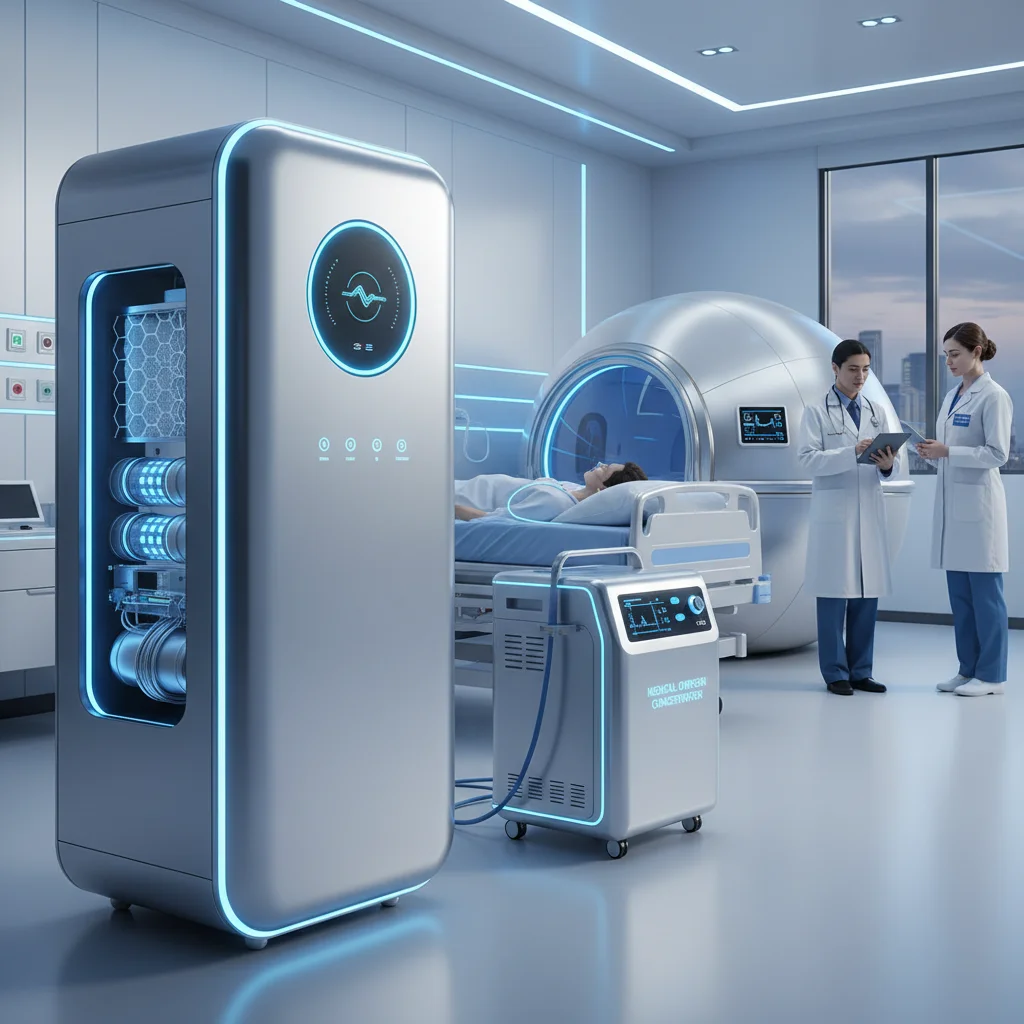
Furthermore, we expect to see a tighter integration between these purifiers and medical oxygen systems. For example, combining a wall mounted purifier with medical oxygen generators to create a comprehensive "Respiratory Support Hub" that manages both the purity of the air and the concentration of the oxygen delivered to the patient.
Overcoming Implementation Challenges
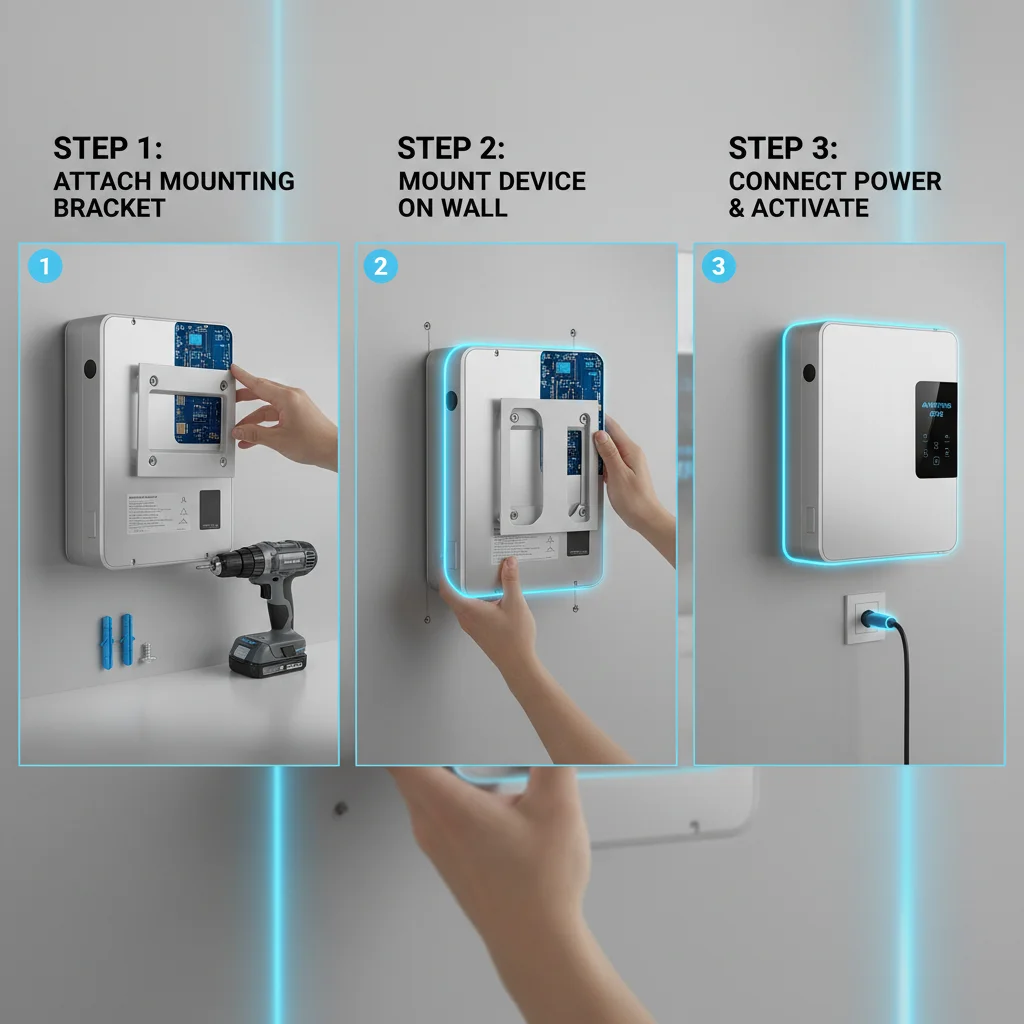
One of the primary challenges in deploying a wall mounted purifier is the initial installation and power integration. Many older clinics lack the electrical outlets at the necessary height, requiring professional electrical work to ensure the unit is safely powered without creating trip hazards with extension cords.
Another hurdle is the maintenance schedule. In a busy clinical environment, filter changes can be overlooked. The solution lies in adopting a "Predictive Maintenance" model, where the purifier alerts the facility manager via a central dashboard when the pressure drop across the filter indicates it is time for a replacement.
Finally, there is the challenge of noise perception. While technical specifications may show low decibel levels, the "hum" of a purifier can still be distracting. Using sound-absorbing wall panels behind the installation of the wall mounted purifier can further attenuate noise and improve the acoustic comfort of the recovery area.
Comparative Analysis of Wall Mounted Purifier Deployment Strategies
| Deployment Model |
Initial Cost |
Sterilization Level |
Maintenance Ease |
| Single Room Point-of-Care |
Low |
High (Localized) |
Very Easy |
| Corridor Clean-Zone |
Medium |
Medium (Diffuse) |
Moderate |
| Integrated Operating Suite |
High |
Ultra-High |
Complex |
| Modular Clinic Pods |
Medium |
High |
Easy |
| Dental Aerosol Station |
Low |
High (Targeted) |
Very Easy |
| Waiting Area Hubs |
Medium |
Low (Volume-based) |
Easy |
FAQS
A wall mounted purifier optimizes air circulation by capturing contaminants at the breathing level and eliminates floor obstructions. This is critical in medical environments where floor space must be kept clear for emergency equipment and personnel movement, reducing the risk of accidents while maintaining a higher Clean Air Delivery Rate (CADR) in the targeted zone.
Typically, pre-filters should be cleaned or replaced every 1-3 months, while the main HEPA filter usually lasts 6-12 months depending on the air pollution levels and usage intensity. Many modern wall mounted purifiers now feature intelligent sensors that notify staff exactly when a filter change is required based on airflow resistance.
Yes, when equipped with an H13 or H14 HEPA filter, these devices can trap particles as small as 0.1 to 0.3 microns, which includes the droplets and nuclei that carry most viruses. When combined with UV-C sterilization, the wall mounted purifier not only traps but also inactivates the biological agents, providing a dual layer of protection.
Most wall mounted purifiers are designed for surface mounting, requiring only a few heavy-duty brackets and a nearby power source. They do not typically require ductwork or internal wall modifications, making them an ideal retrofit solution for existing clinics that want to upgrade their air quality without undergoing major renovations.
High-quality medical wall mounted purifiers use mechanical HEPA filtration and specific wavelengths of UV-C light (254nm) that do not generate ozone. We recommend ensuring the device is certified "ozone-free" to guarantee that the purification process does not introduce secondary pollutants into the patient's environment.
While they operate on different principles, they work synergistically. A wall mounted purifier ensures the ambient air is sterile, which prevents contaminants from entering the intake valves of oxygen concentrators or generators. This synergy ensures that the patient receives the highest quality of both ambient and supplemental oxygen.
Conclusion
The integration of the wall mounted purifier into medical and industrial environments represents a significant leap in proactive healthcare. By combining high-efficiency HEPA filtration, UV-C sterilization, and space-saving design, these systems effectively mitigate the risks associated with airborne pathogens and environmental pollutants. The transition from bulky, floor-based units to streamlined wall-integrated solutions not only enhances the clinical workflow but also elevates the standard of patient safety across the globe.
Looking forward, the convergence of AI-driven air monitoring and sustainable filtration materials will make these systems even more autonomous and eco-friendly. For facility managers and healthcare providers, adopting this technology is a strategic investment in both public health and operational excellence. To ensure your facility is equipped with the latest in air purification and respiratory support, we invite you to explore our professional solutions. Visit our website: www.storeoxygen.com