The global demand for advanced respiratory support has led to a significant evolution in how healthcare facilities acquire oxygen. Finding a reliable medical oxygen plant manufacturer is no longer just about procurement; it is about ensuring a consistent, high-purity oxygen supply that can save lives in critical care units and wellness centers alike.
Modern medical infrastructure now emphasizes the shift from traditional cylinder delivery to on-site generation. By partnering with a sophisticated medical oxygen plant manufacturer, hospitals and clinics can reduce their dependency on external supply chains, minimize logistical risks, and significantly lower the long-term cost of patient care through sustainable technology.
Whether it is for a large-scale hospital or a specialized wellness clinic utilizing a medical oxygen plant manufacturer for micro-pressure oxygen chambers, the integration of PSA (Pressure Swing Adsorption) technology ensures that purity levels meet stringent international medical standards.

The Role of a Medical Oxygen Plant Manufacturer in Modern Healthcare
A professional medical oxygen plant manufacturer serves as the backbone of critical care infrastructure. By designing systems that extract oxygen directly from the ambient air, these manufacturers empower healthcare providers to maintain total control over their oxygen purity and flow rates, eliminating the volatility of gas cylinder markets.
The integration of these plants into hospital settings allows for a seamless transition to centralized oxygen supply systems. This systemic approach not only enhances patient safety by reducing the risk of cylinder mishaps but also optimizes the workflow for nursing staff and respiratory therapists.
Core Components of High-Efficiency Oxygen Systems
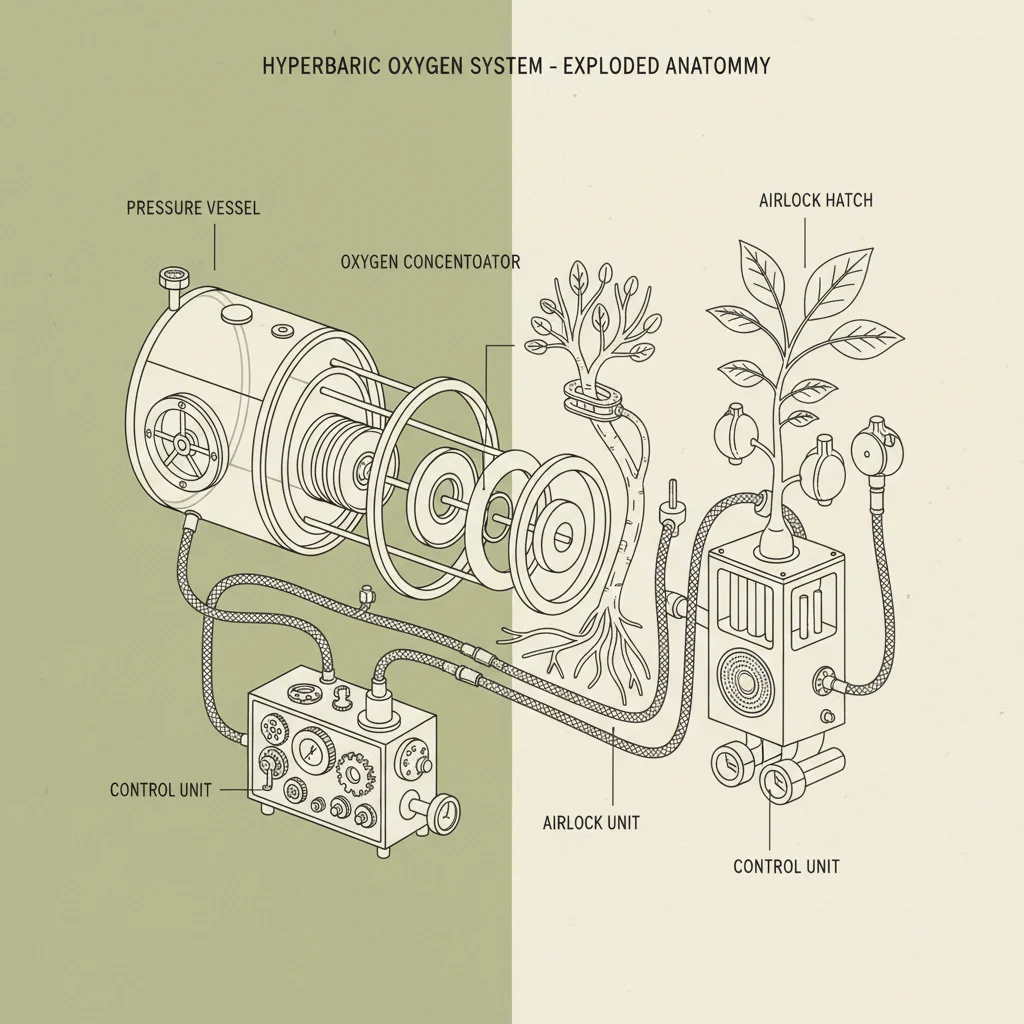
At the heart of any system produced by a leading medical oxygen plant manufacturer is the PSA (Pressure Swing Adsorption) technology. This process utilizes zeolite molecular sieves to selectively adsorb nitrogen from the air, leaving behind a high-concentration stream of medical-grade oxygen.
Beyond the adsorbent beds, high-efficiency air compressors and refrigeration dryers are essential. These components ensure that the incoming air is stripped of moisture and contaminants, protecting the molecular sieve and ensuring that the final output is pure, dry, and safe for human inhalation.
Finally, intelligent control panels manage the cycling of the towers. These systems automate the pressure swings and monitor oxygen purity in real-time, triggering alarms or diverting off-spec gas to ensure that only the highest quality oxygen reaches the patient.
Cost-Effectiveness and Sustainable Engineering
Investing in a system from a reputable medical oxygen plant manufacturer significantly reduces operational expenditure. While the initial capital investment is higher than purchasing cylinders, the cost per cubic meter of oxygen is drastically lower over the equipment's lifecycle.
Sustainability is a core pillar for any modern medical oxygen plant manufacturer. By utilizing energy-efficient compressors and eco-friendly materials—such as the non-toxic polymer materials used in L-type cabins—manufacturers reduce the carbon footprint associated with the transport of heavy gas cylinders.
Furthermore, the move toward sustainable engineering includes the use of low-noise motors and HEPA filtration systems. This ensures that the oxygen generation process does not interfere with the healing environment of the clinic or pollute the surrounding atmosphere.
Global Applications of On-Site Oxygen Generation
From urban medical centers to remote rural clinics, the solutions provided by a medical oxygen plant manufacturer are adaptable. In remote regions, on-site generation is often the only viable way to provide continuous oxygen therapy without relying on precarious road networks.
In the wellness and beauty sector, these technologies are applied in micro-pressure oxygen chambers. For instance, the L-type 2-person cabin allows for paired therapy sessions, promoting cellular recovery and circulation in a controlled, oxygen-rich environment.
Efficiency Comparison by medical oxygen plant manufacturer Technology
Safety Standards and Intelligent Monitoring
Safety is the paramount concern for any medical oxygen plant manufacturer. Systems are engineered with multiple fail-safes, including automatic pressure relief valves and real-time oxygen concentration sensors that ensure the delivered gas remains within the therapeutic window.
Intelligent power management systems further enhance safety and efficiency. By incorporating automatic standby and sleep modes, these systems prevent overheating and extend the lifespan of the compressor, ensuring the plant remains operational 24/7 without unexpected downtime.
Innovations in Micro-Pressure Oxygen Therapy
The evolution of the medical oxygen plant manufacturer has led to the creation of specialized micro-pressure chambers. These devices, such as the L-type 2-person cabin, create a controlled environment where oxygen concentration is typically maintained at 30%, facilitating better absorption at the cellular level.
These innovations prioritize user experience. By utilizing silent fans and low-noise motor technology, manufacturers have reduced operational noise to around 50dB, creating a serene environment for students, seniors, and fitness enthusiasts to undergo recovery therapy.
Furthermore, the shift toward environmentally friendly polymer materials ensures that the chambers are non-toxic and odorless. This commitment to material science reflects the broader industry trend of integrating health-conscious manufacturing with high-performance medical engineering.
Selecting the Right Manufacturer for Your Facility
Choosing the correct medical oxygen plant manufacturer requires a deep dive into their certifications and production capacity. A CE-certified manufacturer ensures that the equipment meets European safety, health, and environmental protection requirements, which is critical for medical installations.
Potential buyers should evaluate the manufacturer's ability to offer customization. Whether it is an adjustable working pressure (such as 10-90kpa) or a specific cabin configuration for dual-person use, the ability to tailor the equipment to the facility's specific needs is a sign of a mature manufacturer.
Finally, after-sales support and the availability of replaceable components are vital. Sustainable design means the equipment is easy to maintain, reducing electronic waste and ensuring that the oxygen supply remains uninterrupted for years to come.
Analysis of Key Selection Criteria for Oxygen Plant Systems
| Evaluation Dimension | Standard PSA Plant | Micro-Pressure Cabin | Importance Score (1-10) |
|---|
| Certification | ISO/CE Mandatory | CE Certification | 10 |
| Purity Control | 93% - 99.5% | ~30% Concentration | 9 |
| Noise Level | Industrial (>70dB) | Silent (50dB) | 7 |
| Energy Use | High Continuous | Intelligent Power-Save | 8 |
| Material Safety | Industrial Steel | Eco-Polymer | 9 |
| Maintenance | Complex/Scheduled | Easy/Replaceable | 8 |
FAQS
The primary advantages include total independence from external supply chains, lower long-term operational costs, and a guaranteed constant supply of high-purity oxygen. On-site generation eliminates the risks associated with cylinder transport and the recurring cost of renting and refilling tanks.
Yes, provided it is sourced from a certified medical oxygen plant manufacturer. These cabins use eco-friendly, non-toxic polymer materials and feature intelligent monitoring systems for pressure and oxygen concentration, ensuring a safe therapeutic environment for seniors, athletes, and beauty enthusiasts.
Modern systems integrate an intelligent energy-saving control module. This allows the device to enter a low-power standby or sleep mode when not in active use or during treatment suspensions, significantly reducing electricity costs and extending the compressor's lifespan.
Depending on the configuration from the medical oxygen plant manufacturer, PSA systems typically produce oxygen with purities ranging from 93% up to 99.5%. This range is sufficient for everything from general wellness to critical ICU support.
Absolutely. Professional manufacturers offer a range of scales, from modular units and small concentrators to large-scale central supply systems. Customization options often include adjustable pressure ranges, specific cabin dimensions, and tailored filtration stages.
High-quality units utilize silent fans and low-noise motor technology to maintain a noise level of approximately 50dB. This ensures that the therapy environment remains peaceful and does not cause auditory stress to the users.
Conclusion
The transition toward on-site oxygen generation, facilitated by a professional medical oxygen plant manufacturer, represents a critical leap in healthcare efficiency and patient safety. By integrating advanced PSA technology with sustainable materials and intelligent monitoring, facilities can provide consistent, high-purity oxygen therapy while significantly reducing their environmental impact and operating costs.
Looking forward, the integration of digital automation and greener energy sources will further refine these systems. For healthcare providers and wellness centers, the key to long-term success lies in partnering with manufacturers who prioritize certification, material safety, and user-centric design to ensure a future of accessible and sustainable respiratory care. Visit our website: www.storeoxygen.com