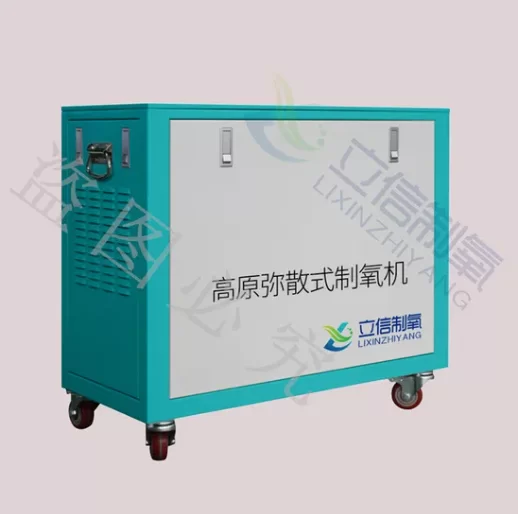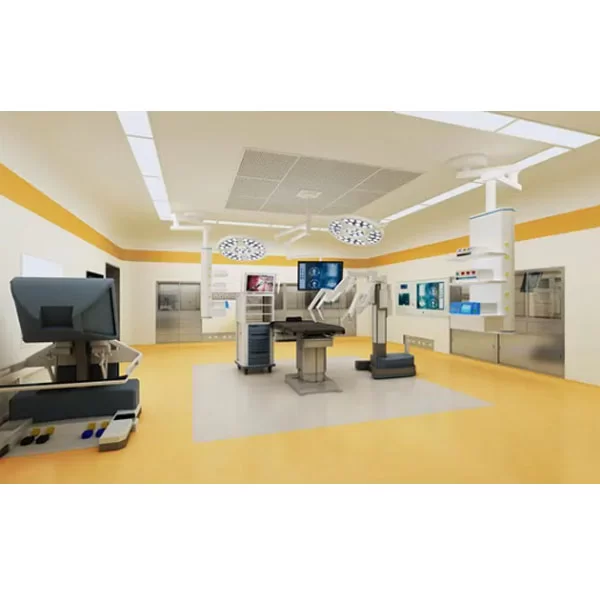
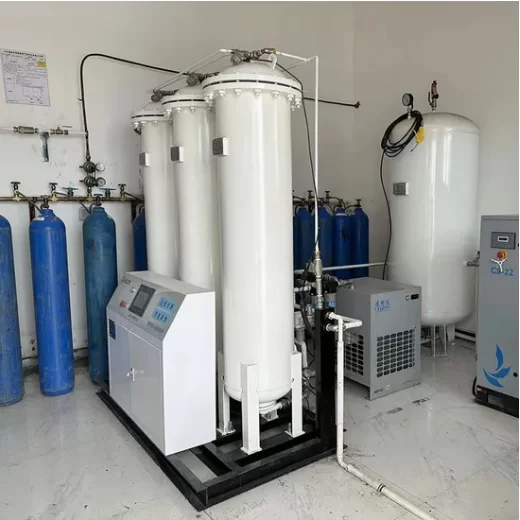
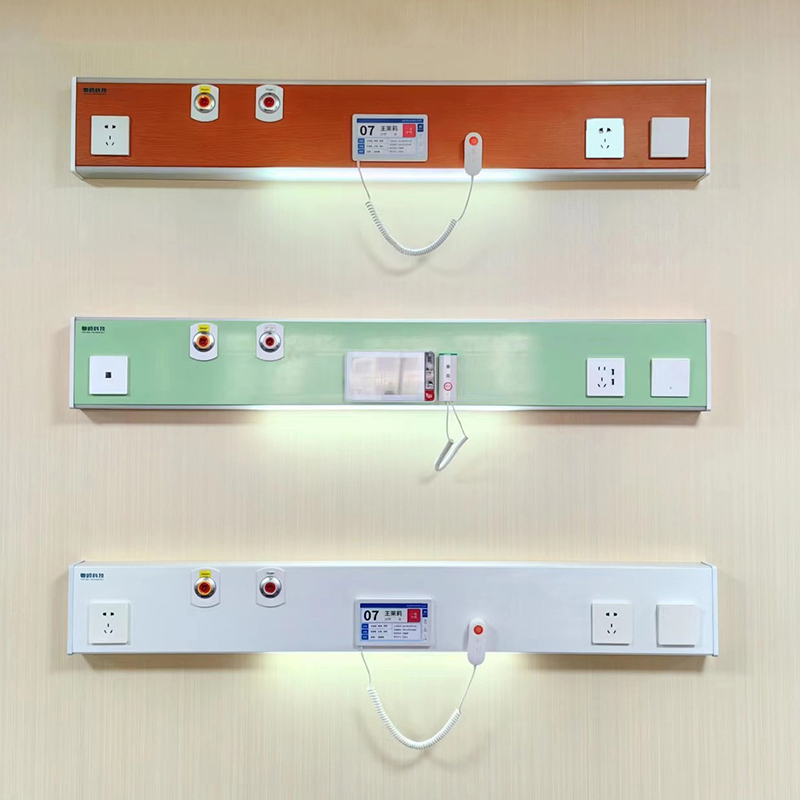
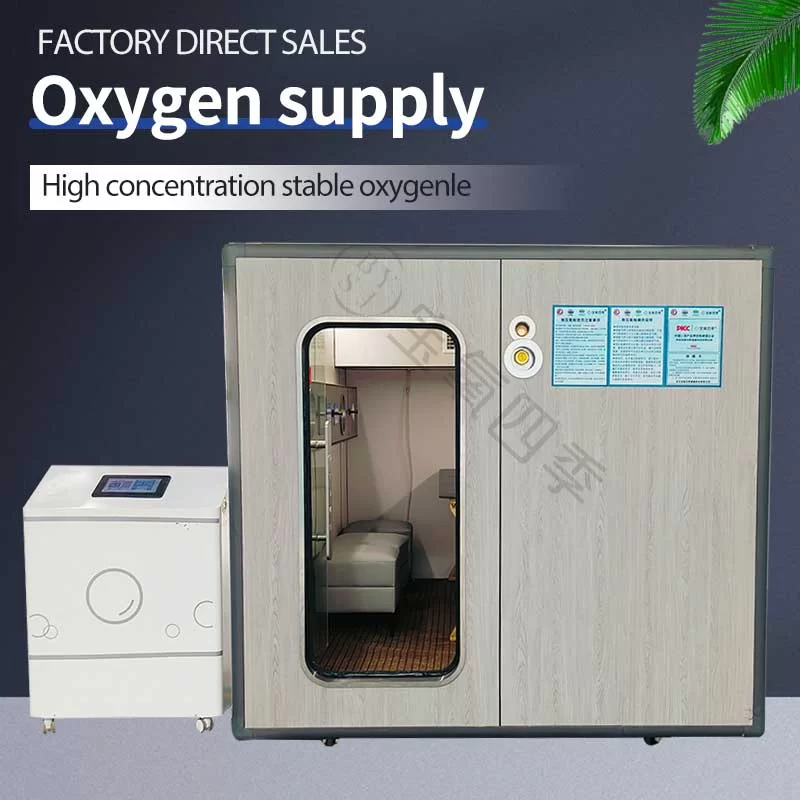
Advanced oxygen generator for hospital Solutions for India's Healthcare Sector

Integrating high-purity medical oxygen generation and clinical-grade air purification to enhance patient outcomes across India's diverse medical landscapes.

Healthcare Infrastructure Status in India

Addressing the critical gap in oxygen supply and air quality in South Asian medical facilities.

India's healthcare landscape faces unique challenges due to high population density and varied climatic conditions. In many urban centers, the demand for a reliable hospital air purifier has surged as air quality indices (AQI) often reach hazardous levels, complicating the recovery of respiratory patients.

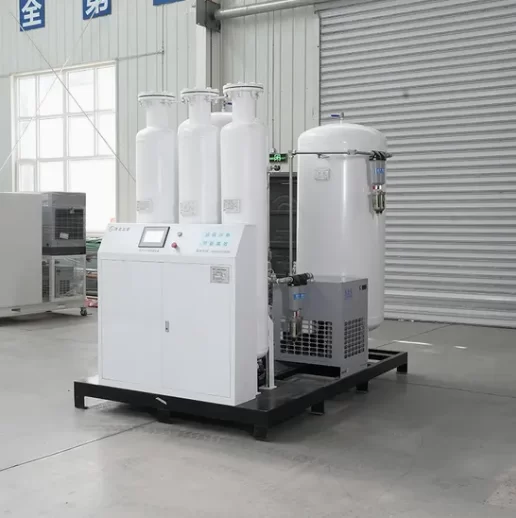
The geographic vastness of India creates significant logistics hurdles for liquid oxygen transport, especially in rural states. This has shifted the strategic focus toward on-site medical oxygen generator machine technology, reducing dependence on external cylinder supply chains and ensuring 24/7 availability.

Furthermore, the rise of home-based palliative care in Indian cities has increased the penetration of the home medical air purifier, allowing patients with chronic obstructive pulmonary disease (COPD) to manage their environment effectively outside the hospital setting.
Evolution of Respiratory Technology in India

From traditional cylinder reliance to intelligent, automated oxygen and air management.

Market Development History

Historically, before 2015, the Indian medical market relied almost exclusively on cryogenic liquid oxygen and compressed cylinders. This era was characterized by high logistical costs and frequent shortages during peak respiratory seasons.

Between 2016 and 2020, the introduction of PSA (Pressure Swing Adsorption) technology marked a turning point. Hospitals began adopting the oxygen generator for hospital to achieve autonomy, moving from a "delivery model" to a "production model."

Post-2021, the focus evolved toward hybrid systems. The integration of medical therapeutics air purifier units into ICU layouts became standard to prevent secondary hospital-acquired infections (HAIs) and manage airborne pathogens.

Future Development Trends

IoT-Enabled Oxygen Monitoring

Integration of real-time cloud monitoring to predict oxygen consumption patterns across multi-wing Indian hospitals, ensuring zero downtime.

HEPA-Plasma Hybrid Filtration

The shift toward advanced hospital air purifier systems that combine HEPA filtration with cold plasma technology to neutralize tropical viruses.

Decentralized Home-Care Hubs

Increased adoption of medical-grade concentrators and the home medical air purifier for remote patient monitoring in Tier 2 and Tier 3 cities.

Industry Outlook and Future Projections

Analyzing the trajectory of medical gas and air purification trends in Asia.

On-Site Oxygen Autonomy
Accelerated transition toward high-capacity PSA plants to eliminate supply chain vulnerabilities.
Airborne Pathogen Control
Implementation of medical therapeutics air purifier systems in outpatient clinics.
Green Medical Gas Production
Energy-efficient compressors reducing the carbon footprint of oxygen production in India.
Portable Care Ecosystems
Development of lightweight, medical-grade air purification for mobile clinics in rural India.

Industry Outlook

Based on search trends in the Asia-Pacific region, there is a significant increase in queries related to "medical-grade air filtration" and "on-site oxygen plants." This indicates a structural shift in India's healthcare strategy, moving away from centralized supply to decentralized, on-demand generation.

Over the next 3-5 years, we expect the integration of AI-driven diagnostics with oxygen delivery systems, where the medical oxygen generator machine automatically adjusts purity levels based on real-time patient saturation data.

Localized Applications in India

Real-world deployment of oxygen and air purification technology across diverse Indian settings.

1. Urban Tertiary Care Hospitals in Delhi/Mumbai

Deployment of high-capacity oxygen generator for hospital systems combined with centralized hospital air purifier arrays to manage extreme smog levels and high patient volumes.

2. Rural Community Health Centers (CHCs)

Installation of compact, robust medical oxygen generator machine units that can operate under fluctuating power grids to provide essential care to remote villages.

3. Home-Based Respiratory Recovery Units

Implementation of the home medical air purifier for post-operative patients, ensuring a sterile environment free from common household allergens and dust.

4. Specialized Pediatric and Neonatal Wings

Use of low-noise medical therapeutics air purifier units to maintain ultra-pure air for premature infants with sensitive respiratory systems.

5. Mobile Medical Vans for Outreach

Integration of portable oxygen concentrators and air filtration systems to provide emergency respiratory support during regional health drives in underdeveloped areas.

Brand Story

Global Development History of Hebei Lixin Medical Engineering Co., Ltd.

Founding and Specialization

Established with a mission to solve the critical shortage of medical gases, focusing on the engineering of high-precision PSA oxygen systems.

Technological Breakthroughs

Developed proprietary molecular sieve technology that increased oxygen purity and reduced energy consumption for hospital-grade generators.

Global Market Expansion

Expanded operations into Asia and India, tailoring equipment to withstand high humidity and extreme temperature fluctuations.

Diversification into Air Purification

Recognizing the link between air quality and respiratory health, the company launched a line of clinical-grade therapeutic purifiers.

Commitment to Healthcare Equity

Driving the mission to make medical oxygen affordable and accessible to the most remote corners of the globe through innovation.

Common Questions in the Indian Medical Market

Expert answers regarding the installation and maintenance of respiratory equipment.

How does a medical oxygen generator machine handle India's high humidity?

Our systems incorporate advanced refrigerated air dryers and multi-stage filtration to remove moisture before the air enters the PSA tower, ensuring purity regardless of tropical humidity.

What is the difference between a hospital air purifier and a standard office purifier?

A hospital-grade purifier uses H13 or H14 HEPA filters and higher CADR ratings specifically designed to capture medical-grade pathogens and prevent cross-contamination in clinical settings.

Can a home medical air purifier effectively remove city smog in Delhi?

Yes, these units are designed to filter PM2.5 and PM10 particles, which are prevalent in urban Indian air, providing a safe breathing zone for patients with compromised lungs.

What maintenance is required for an oxygen generator for hospital use?

Key maintenance includes regular replacement of air filters, checking compressor oil levels, and calibrating oxygen sensors every six months to ensure consistent purity.

Is a medical therapeutics air purifier suitable for ICU environments?

Absolutely. These devices are engineered for sterile environments, reducing the microbial load in the air to minimize the risk of ventilator-associated pneumonia.

How long is the lifespan of a PSA medical oxygen generator?

With proper maintenance, a high-quality PSA system can operate for 10-15 years, with the molecular sieve typically requiring regeneration or replacement every 5-8 years.

Consult Our Respiratory Experts

Ready to upgrade your healthcare facility with world-class oxygen and air purification technology in India? Contact us for a customized technical proposal.

Contact Us Now

If you are interested in our products, you can choose to leave your information here, and we will be in touch with you shortly.