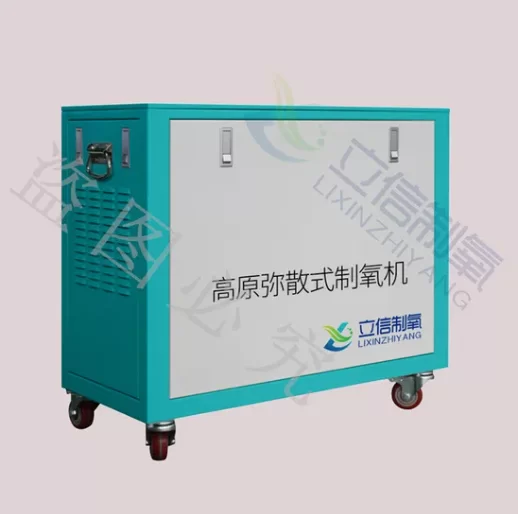
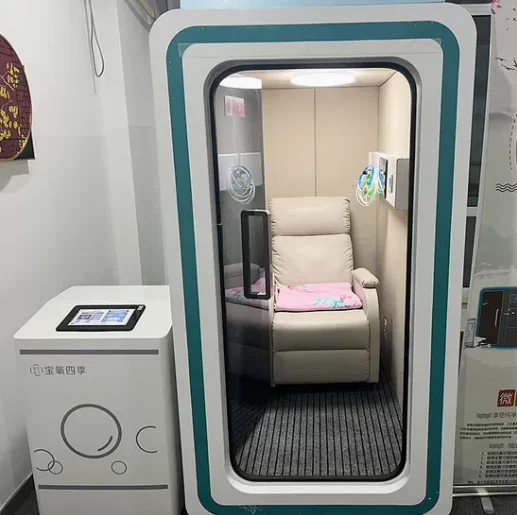
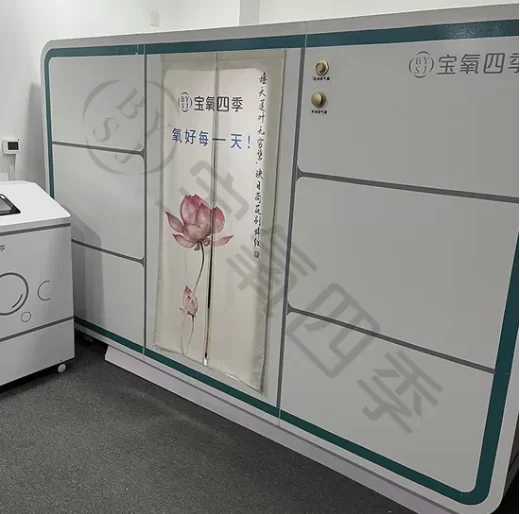
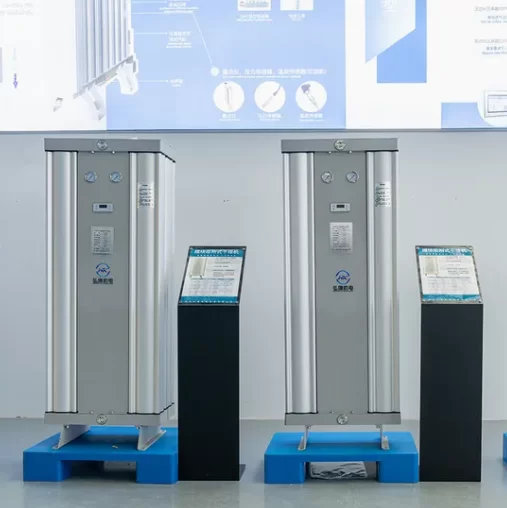
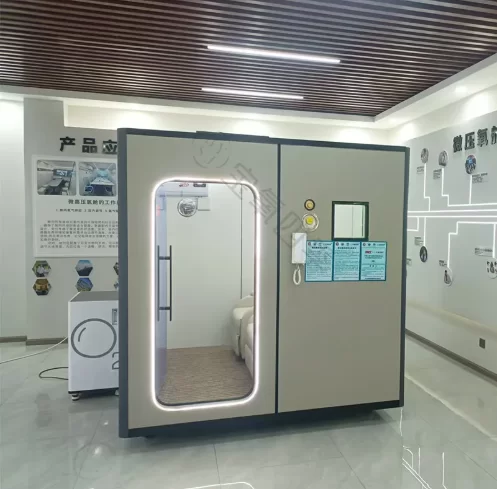
In Ghana, the healthcare system faces significant logistical challenges regarding medical gas supply, particularly in rural regions. Many clinics still rely on expensive cylinder deliveries, which are susceptible to delays caused by infrastructure gaps. The demand for a reliable medical oxygen generator machine has surged as hospitals seek to eliminate supply chain dependencies.
Environmental factors in Ghana, including high humidity and urban dust in cities like Accra and Kumasi, necessitate the use of a robust hospital air purifier. Maintaining sterile environments in surgical wards is often hindered by these climatic conditions, making medical-grade air filtration a priority for infection control.
Furthermore, the rise of home-based respiratory care has created a gap in the market for the home medical air purifier. As the middle class grows and elderly care increases, there is a critical transition toward decentralized medical equipment that can operate efficiently under local power constraints.