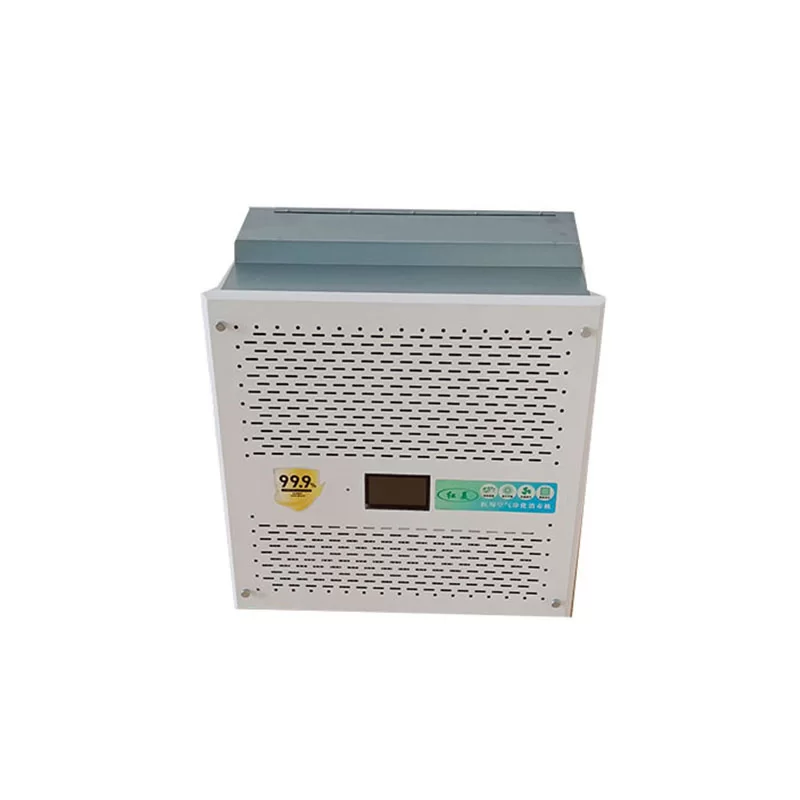
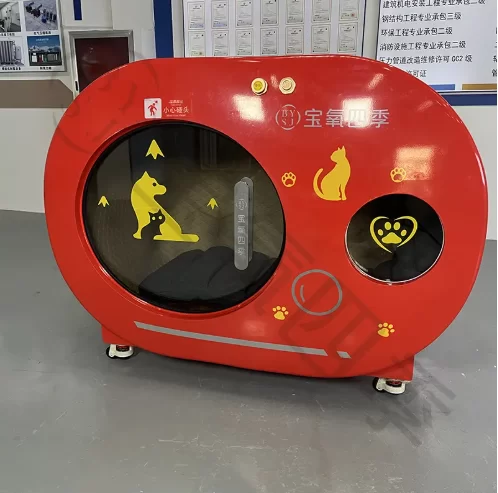
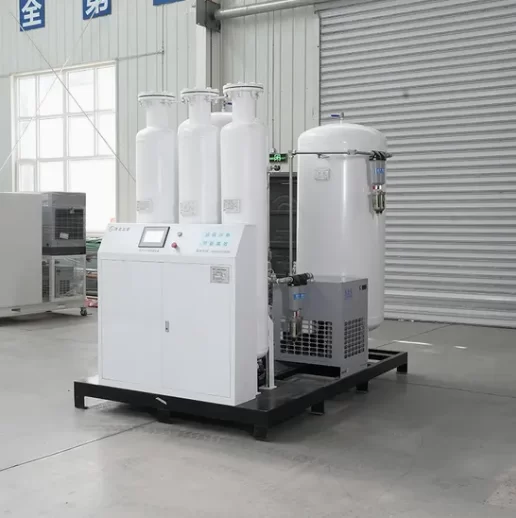
Advanced medical oxygen generator machine Solutions for South Korea's Healthcare Sector

Integrating high-precision oxygen generation and clinical air purification to meet the rigorous medical standards of South Korean hospitals and home care centers.

Advanced medical oxygen generator machine Solutions for South Korea's Healthcare Sector

Providing a comprehensive ecosystem of oxygen supply and air sterilization tailored for the South Korean medical landscape, ensuring patient safety and operational efficiency.

Current State of Medical Gas Infrastructure in South Korea

Analyzing the demand for high-purity oxygen and sterile air in East Asia's most technologically advanced medical market.

South Korea's healthcare system is characterized by a high density of tertiary hospitals in urban centers like Seoul and Busan. The demand for a reliable hospital air purifier has surged due to the region's susceptibility to seasonal yellow dust and fine particulate matter (PM2.5), which can compromise sterile surgical environments.

Economically, the shift towards an aging society has increased the prevalence of chronic respiratory diseases. This has transitioned the market from purely centralized hospital systems to a growing need for a home medical air purifier, allowing patients to maintain clinical-grade air quality within domestic settings.

Furthermore, the South Korean government's focus on "Smart Hospitals" has pushed the adoption of automated oxygen systems. The integration of an oxygen generator for hospital use is now prioritized over traditional cylinder delivery to reduce logistical risks and operational costs.
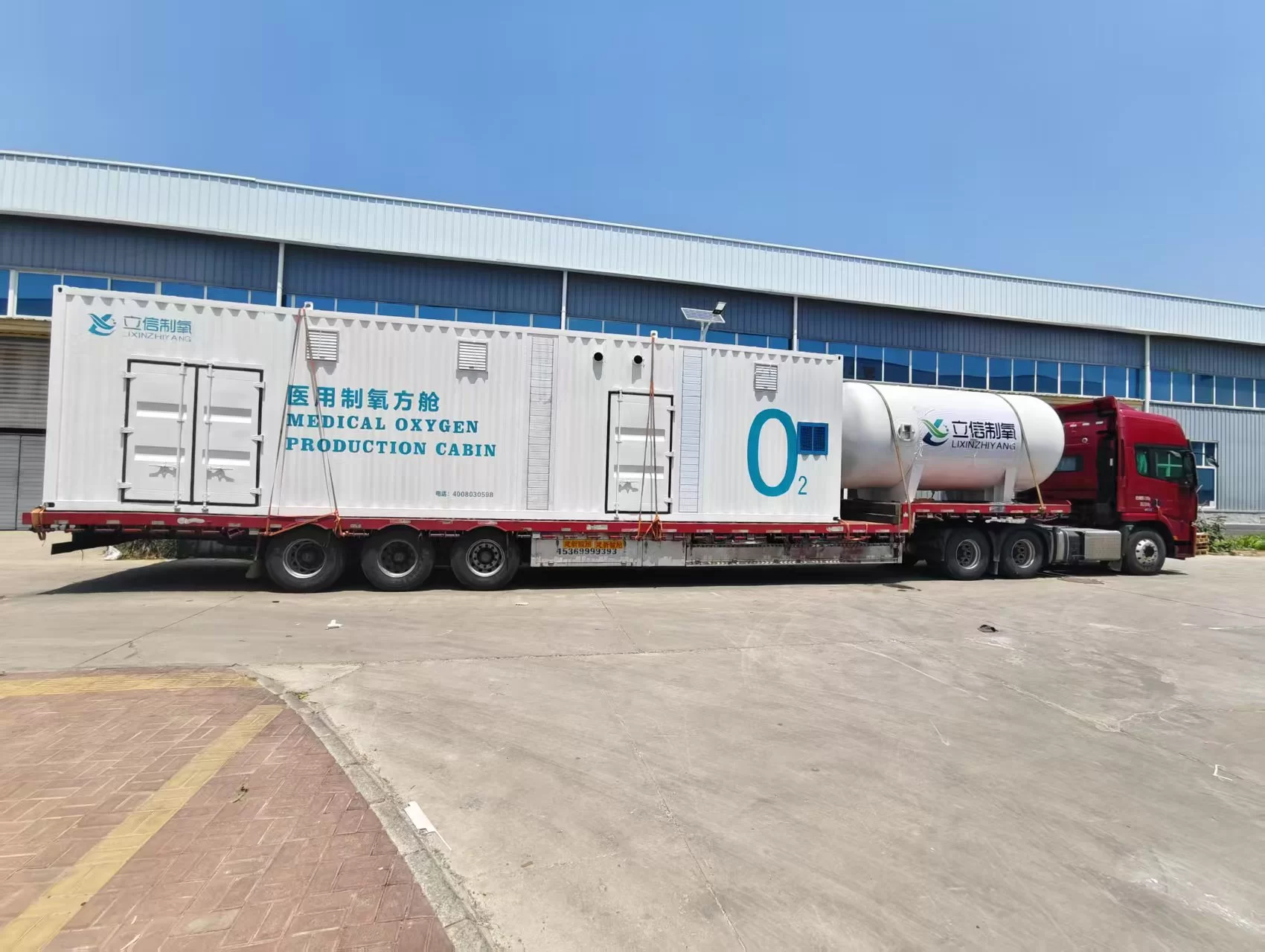
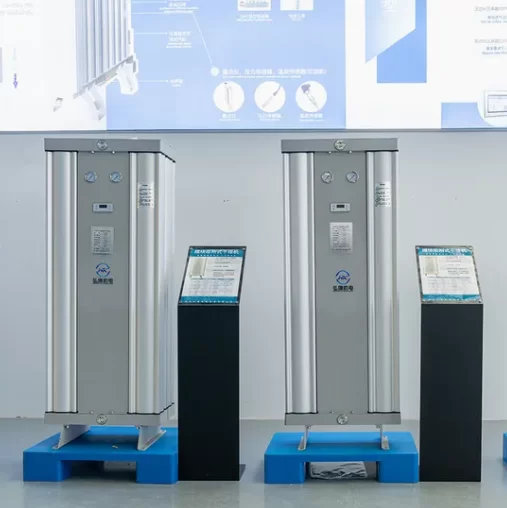
Evolution of Oxygen Generation and Air Purification Technology

From manual delivery to intelligent, on-site molecular sieve technology.

Market Development History

In the early 2000s, South Korean medical facilities relied almost exclusively on liquid oxygen tanks and high-pressure cylinders. The technology was passive, with little control over purity fluctuations at the point of care.

Between 2010 and 2018, the introduction of Pressure Swing Adsorption (PSA) technology revolutionized the sector. The medical oxygen generator machine became a viable alternative, offering continuous, on-site production and reducing the carbon footprint associated with gas transport.

From 2019 onwards, the focus shifted toward "Combined Therapy Environments." This era saw the fusion of high-purity oxygen supply with a medical therapeutics air purifier, creating an integrated respiratory support system that addresses both oxygenation and pathogen filtration.

Future Development Trends

AI-Driven Demand Forecasting

Implementation of machine learning to predict oxygen consumption patterns in ICUs, automatically adjusting the output of generators to ensure zero-waste efficiency.

Nanofiber Filtration Integration

Next-generation purifiers will utilize graphene-based nanofilters to capture viral loads more effectively than traditional HEPA filters.

IoT-Enabled Remote Monitoring

Full integration with hospital management systems (HMS) for real-time purity monitoring and predictive maintenance of PSA modules.

Industry Trends and Future Outlook

Strategic trajectories for medical gas and air quality management in the South Korean market.

Decentralized Oxygen Supply
Moving away from massive central tanks toward modular, ward-specific PSA generators for higher reliability.
Hyper-Pure Filtration
Integrating plasma sterilization within air purifiers to eliminate airborne pathogens in real-time.
Tele-Medical Integration
Syncing home oxygen and air devices with remote physician dashboards for proactive patient care.
Eco-Sustainable Energy
Reducing the power consumption of compressor-driven generators using high-efficiency inverter technology.

Industry Outlook

Based on current Google search trends in the Asia-Pacific region, there is a significant uptick in queries regarding "smart medical air quality." This indicates that the South Korean market is moving beyond basic filtration toward comprehensive atmospheric management in clinical spaces.

Over the next 3-5 years, we expect the convergence of oxygen generation and air purification into single-unit hybrid systems, particularly for private clinics and home-care setups, driven by the demand for space-saving and integrated health monitoring.

Localized Application Scenarios in South Korea

Practical deployment of our equipment across various Korean healthcare settings.

01. Tertiary Hospitals in Seoul Metropolitan Area

Deploying high-capacity oxygen generators for hospital networks to ensure an uninterrupted supply of 93%±3% purity oxygen during peak respiratory seasons, bypassing city traffic logistics.

02. Specialized Respiratory Clinics in Incheon

Installing a medical therapeutics air purifier in treatment rooms to eliminate volatile organic compounds and allergens, enhancing the efficacy of pulmonary rehabilitative therapies.

03. Premium Senior Living Communities in Jeju

Implementing a home medical air purifier system integrated with oxygen concentrators for elderly residents, focusing on improving sleep quality and cognitive function.

04. Emergency Medical Centers in Busan

Rapid deployment of mobile oxygen generator machines to ensure immediate stability for trauma patients during the critical "golden hour" of emergency transport.

05. Government-Run Public Health Centers

Standardizing sterile air environments using commercial-grade hospital air purifiers to protect healthcare workers and patients from cross-contamination in high-traffic waiting areas.

Brand Story

Global Development History of Hebei Lixin Medical Engineering Co., Ltd.

Foundational Engineering

Established with a mission to solve the inefficiency of medical gas distribution, we began by mastering the core science of molecular sieve adsorption.

Technological Breakthrough

Developed the proprietary high-stability PSA valve system, reducing the maintenance cycle of oxygen generators by 40%.

Global Market Entry

Expanded into the Asia-Pacific market, tailoring our equipment to meet the diverse regulatory standards of South Korea and Japan.

Diversification of Care

Launched the medical-grade air purification line, bridging the gap between industrial air cleaning and clinical therapeutic requirements.

The Future of Respiratory Health

Now focusing on "Smart Breath" ecosystems, combining oxygenation, purification, and IoT monitoring for global healthcare providers.

Frequently Asked Questions - South Korea Market

Expert answers to common technical and regulatory queries regarding medical oxygen and air systems.

How does a medical oxygen generator machine compare to liquid oxygen tanks in terms of cost?

While the initial investment in a PSA generator is higher, it eliminates recurring delivery fees and tank rental costs, typically providing a return on investment (ROI) within 18-24 months for medium-sized South Korean clinics.

What are the filtration requirements for a hospital air purifier in surgical wards?

Our systems utilize H13-H14 HEPA filters and UV-C sterilization to ensure 99.97% removal of particles as small as 0.3 microns, meeting the strict sterility protocols required by Korean medical board standards.

Can a home medical air purifier effectively handle urban pollution in Seoul?

Yes, our home units are specifically engineered with activated carbon and pre-filters to target the high concentration of PM2.5 and nitrogen dioxide common in metropolitan South Korean areas.

What is the purity level of an oxygen generator for hospital use?

Our hospital-grade generators produce oxygen with a purity range of 93% ± 3%, which is the internationally recognized standard for therapeutic oxygen administration.

Does the medical therapeutics air purifier support integrated humidity control?

Yes, recognizing South Korea's humid summers, our therapeutic purifiers include precision humidity sensors to maintain an optimal environment for respiratory patients.

What maintenance is required for on-site oxygen generation systems?

Standard maintenance includes quarterly filter replacements and annual calibration of the purity sensors. We provide localized support to ensure minimal downtime for Korean medical facilities.

Consult Our Specialists Today

Ready to upgrade your medical infrastructure? Our engineers are available to provide custom technical audits for healthcare providers across South Korea.

Contact Us Now

If you are interested in our products, you can choose to leave your information here, and we will be in touch with you shortly.