Advanced medical oxygen generator machine Solutions for Rwanda

Providing critical respiratory infrastructure and air purification technology to enhance healthcare resilience across Rwanda's clinical environments.

Current State of Respiratory Care in Rwanda

Addressing the challenges of oxygen accessibility and air quality in East African medical facilities.

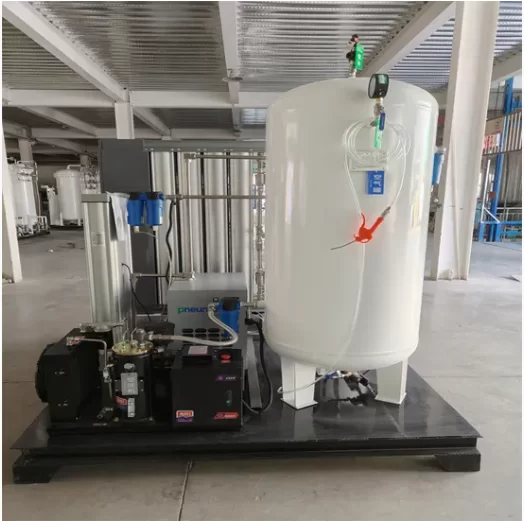
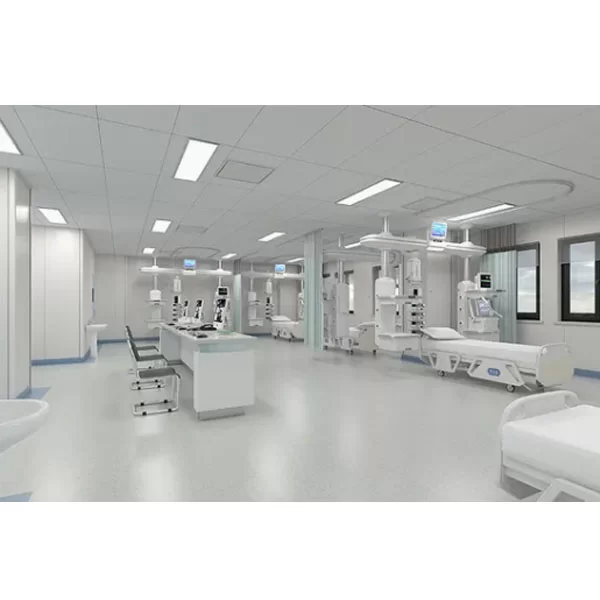
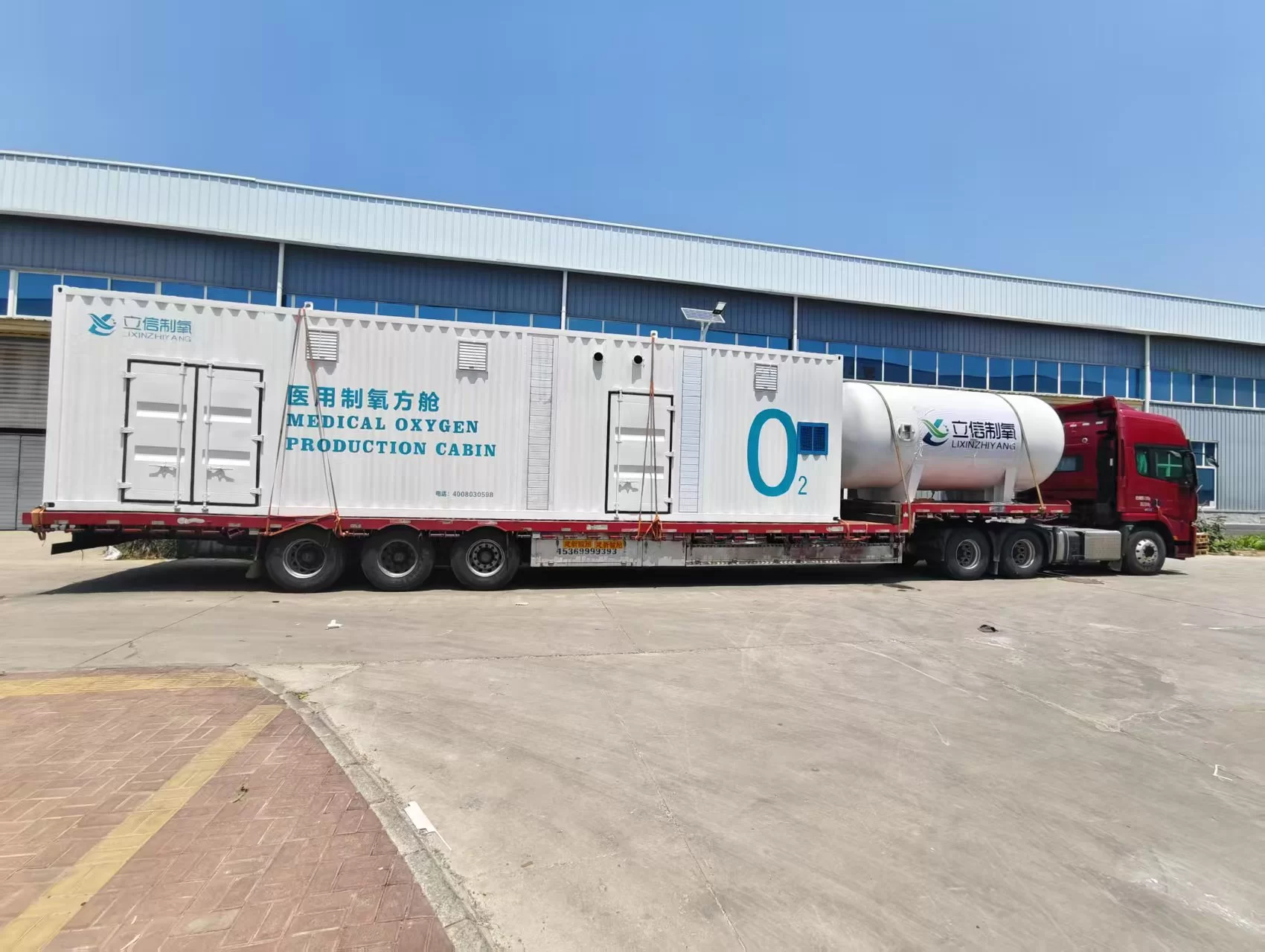
In Rwanda, the healthcare landscape is characterized by a rapid transition toward modernized clinics. However, the reliance on liquid oxygen cylinders often creates logistical bottlenecks due to the mountainous terrain, making a reliable oxygen generator for hospital a strategic necessity for ensuring an uninterrupted supply of life-saving gas.

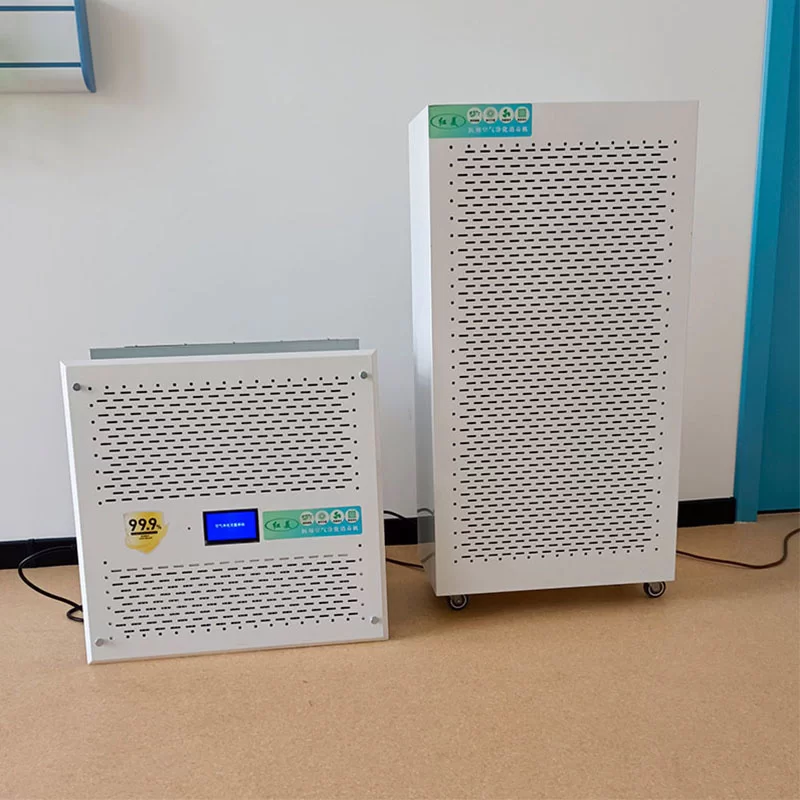
Airborne infection control remains a critical concern in densely populated urban centers like Kigali. The demand for a high-efficiency hospital air purifier has surged as facilities seek to reduce nosocomial infections and manage respiratory diseases effectively within limited ward spaces.

Furthermore, the rise of home-based palliative care for chronic respiratory patients has highlighted a gap in accessible technology. There is a growing need for a certified home medical air purifier to protect vulnerable patients from dust and pollutants common in diverse Rwandan climatic zones.

Evolution of Medical Gas and Air Filtration Technology

From manual cylinder distribution to automated on-site generation systems.

Market Development History

Prior to 2010, Rwanda's medical oxygen supply relied almost exclusively on imported compressed gas cylinders, which were costly and prone to supply chain disruptions during peak demand periods.

Between 2015 and 2020, the shift toward Pressure Swing Adsorption (PSA) technology began. This allowed hospitals to transition to an on-site medical oxygen generator machine, significantly lowering the cost per liter of oxygen.

Since 2021, the focus has expanded beyond oxygen to include comprehensive air quality management, integrating HEPA and UV-C filtration through a medical therapeutics air purifier to create sterile environments in surgical theaters.

Future Development Trends

Smart Oxygen Monitoring

Integration of IoT sensors to monitor oxygen purity and flow rates in real-time, ensuring safety standards across remote Rwandan clinics.

Eco-friendly Energy Integration

Combining oxygen generators with solar power arrays to overcome intermittent electricity grids in rural provinces.

Nano-Filtration Systems

Moving toward molecular-level filtration in air purifiers to combat emerging viral strains and urban smog.

Industry Outlook and Future Prospects

Forecasting the trajectory of medical equipment manufacturing for the Rwandan market.

Decentralized Oxygen Hubs
Shifting from central city plants to district-level oxygen generation to reduce transport risks.
AI-Driven Air Quality
Implementing smart sensors that adjust filtration speed based on real-time particulate matter.
Hybrid Power Systems
Development of low-energy PSA compressors compatible with Rwandan renewable energy grids.
Mobile Medical Units
Integrating portable oxygen and air purification into mobile clinics for rural outreach.

Industry Outlook

Google search trends indicate a growing regional interest in "sustainable medical infrastructure" within East Africa. This suggests that the market is moving away from disposable solutions toward permanent, on-site installations.

The next 3-5 years will likely see a convergence of oxygen generation and air purification into single "Clean Air Hubs," reducing the operational footprint in Rwandan hospitals while maximizing clinical outcomes.

Localized Application Scenarios in Rwanda

Practical implementation of respiratory technology across various Rwandan settings.

1. Tertiary Hospitals in Kigali

Deployment of large-scale PSA plants and a centralized oxygen generator for hospital to support ICU and surgery departments.

2. Rural Health Centers (District Level)

Installation of compact medical oxygen generator machine units that can operate on stabilized voltage for maternal and neonatal care.

3. Specialized Isolation Wards

Utilizing a high-capacity hospital air purifier to maintain negative pressure and eliminate viral aerosols during outbreaks.

4. Home Care for Elderly Patients

Providing a portable home medical air purifier to improve the quality of life for patients with COPD in residential areas.

5. Private Medical Clinics

Implementing a medical therapeutics air purifier to ensure a sterile, premium environment for outpatient procedures.

Brand Story

Global Development Journey of Hebei Lixin Medical Engineering Co., Ltd.

Foundation of Engineering Excellence

Started as a specialized manufacturer focusing on the core mechanics of pressure swing adsorption for medical gases.

International Standards Certification

Achieved ISO and CE certifications, ensuring our equipment meets the rigorous safety demands of global healthcare systems.

Expansion into Air Purification

Diversified our portfolio by integrating HEPA and UV-C technologies to provide total air quality solutions for clinics.

Africa Market Penetration

Established specialized logistics and support networks to bring high-end medical oxygen technology to Rwanda and beyond.

Mission for Global Health Equity

Dedicated to solving the "oxygen gap" in developing regions through affordable, durable, and efficient engineering.

Frequently Asked Questions in Rwanda

Expert answers to common technical and logistical queries regarding medical gas equipment.

How do I maintain a medical oxygen generator machine in high-humidity areas?

We recommend installing high-efficiency air dryers and regular filter replacements to prevent moisture from affecting the zeolite molecular sieve.

What is the expected lifespan of a hospital air purifier filter?

Depending on the air quality in the ward, HEPA filters typically last 6-12 months. We provide local maintenance schedules for Rwandan facilities.

Can a home medical air purifier remove common East African dust pollutants?

Yes, our devices utilize multi-stage filtration that specifically targets fine particulate matter and organic allergens common in the region.

Is an oxygen generator for hospital safer than using liquid oxygen tanks?

On-site generation eliminates the risk of tank leaks during transport and ensures a constant supply, reducing the risk of "oxygen outages."

What certifications should a medical therapeutics air purifier have?

It should ideally be CE and ISO certified, with a proven CADR (Clean Air Delivery Rate) suitable for clinical environments.

Do your oxygen machines work with unstable power grids?

We provide integrated voltage stabilizers and UPS options to ensure the equipment operates safely despite power fluctuations.

Consult Our Respiratory Experts

Ready to modernize your healthcare facility in Rwanda? Contact us for customized oxygen and air purification blueprints.

Contact Us Now

If you are interested in our products, you can choose to leave your information here, and we will be in touch with you shortly.