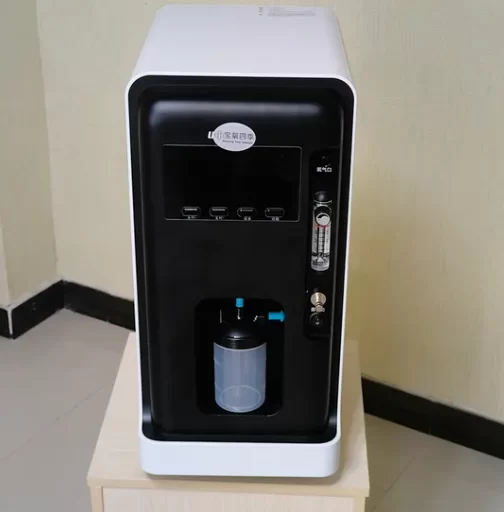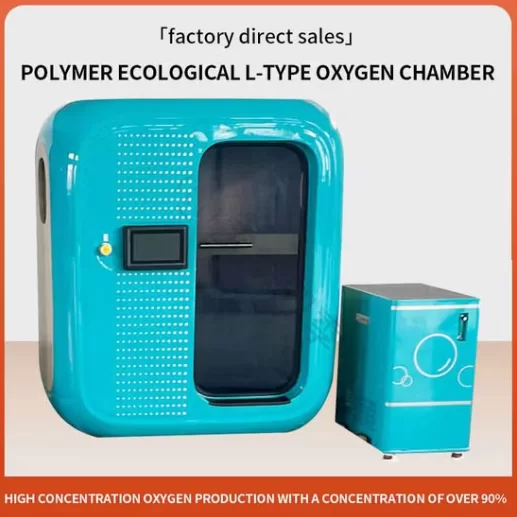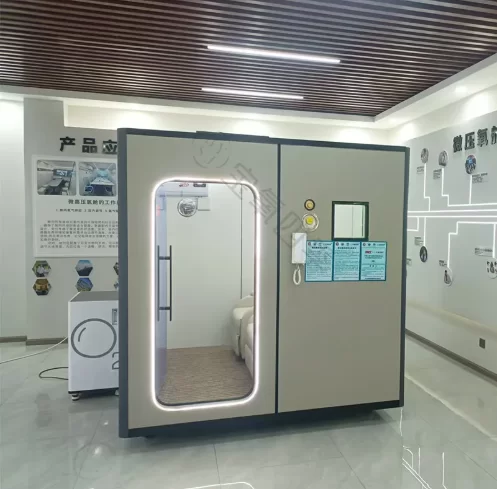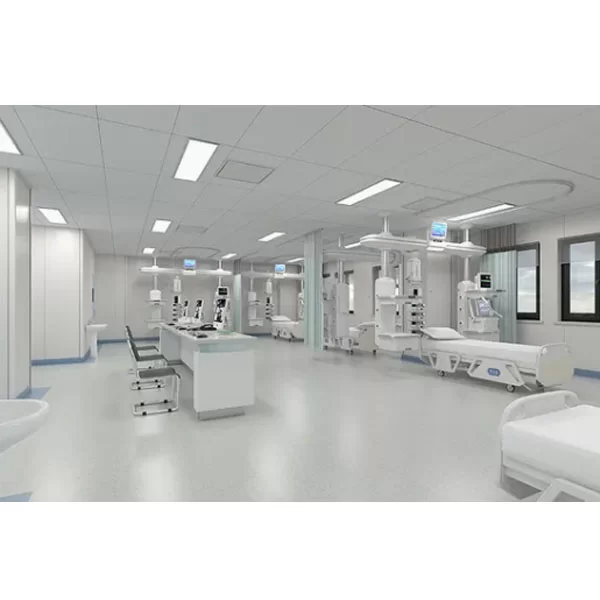
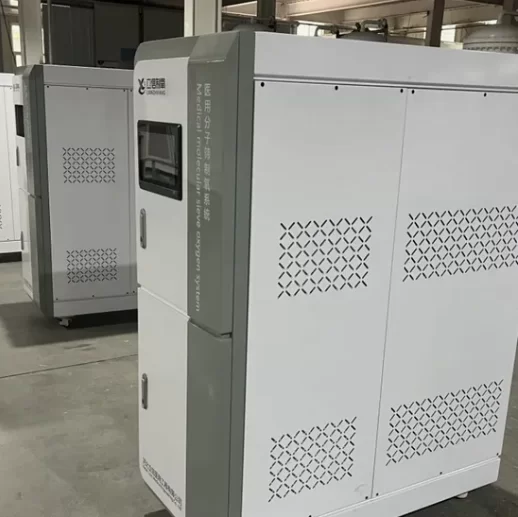
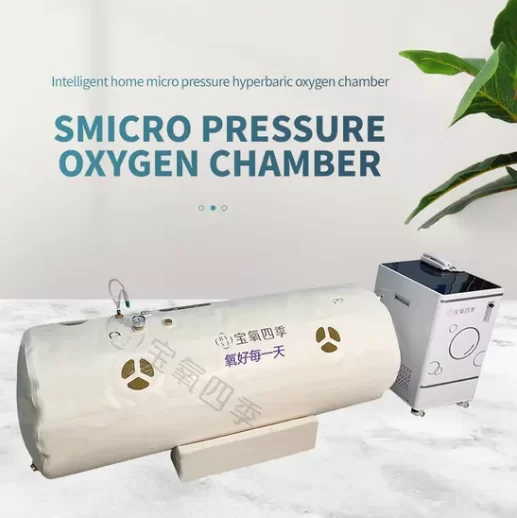
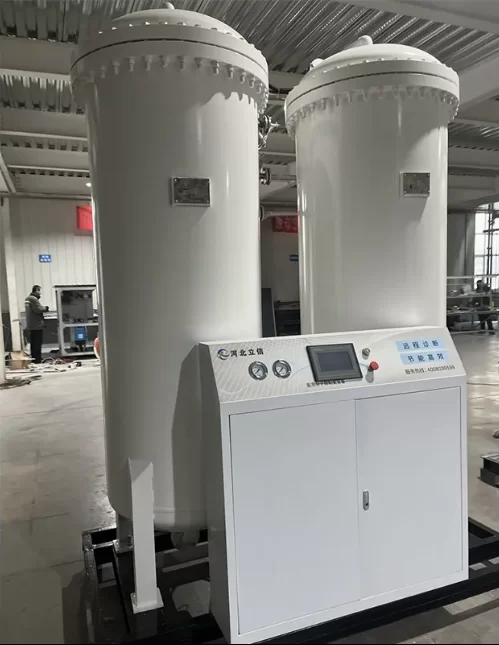
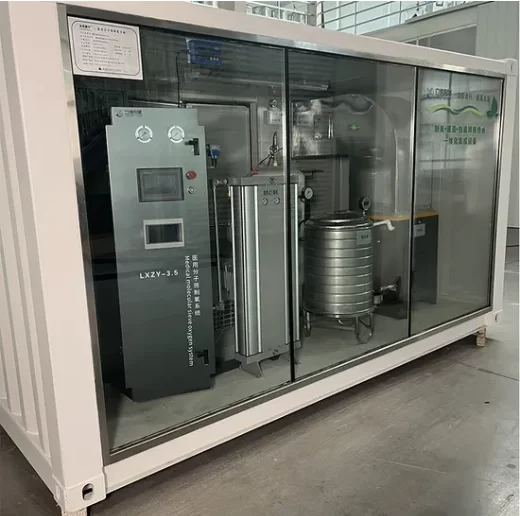
Afghanistan's healthcare system faces unique pressures due to its rugged mountainous topography and unstable power grids. The reliance on imported liquid oxygen cylinders often leads to critical shortages in remote provinces, making the installation of a localized oxygen generator for hospital a strategic necessity rather than a luxury.
Environmental factors, including high dust levels and extreme seasonal temperature fluctuations, place immense strain on medical equipment. This necessitates the use of a high-efficiency hospital air purifier to maintain sterile operating theaters and protect vulnerable patients from airborne contaminants common in arid regions.
Furthermore, the economic transition in the region has shifted demand toward sustainable, low-maintenance technology. There is a growing movement toward integrating a home medical air purifier for long-term respiratory care patients, reducing the burden on centralized hospital facilities through decentralized home-care models.