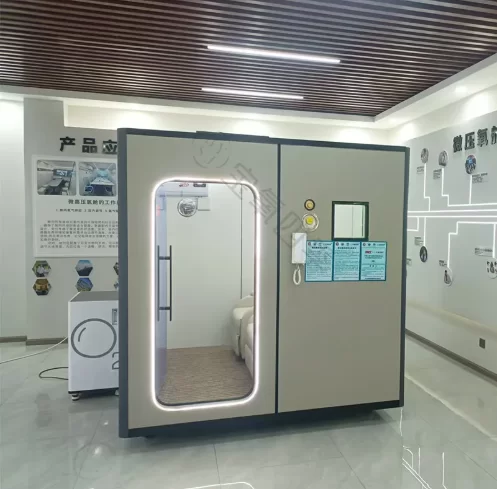
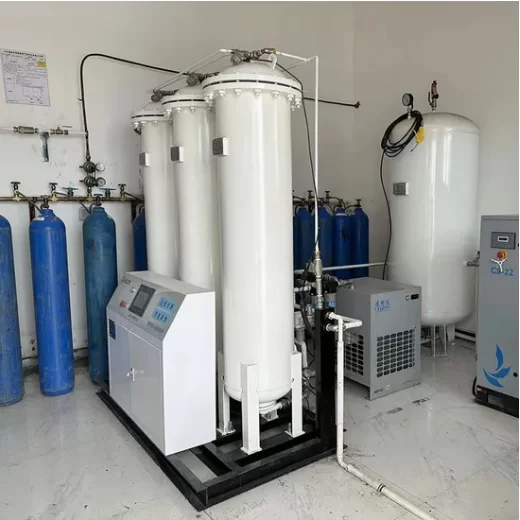
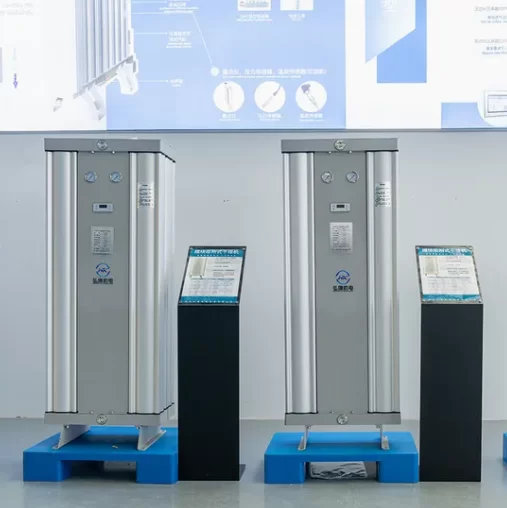
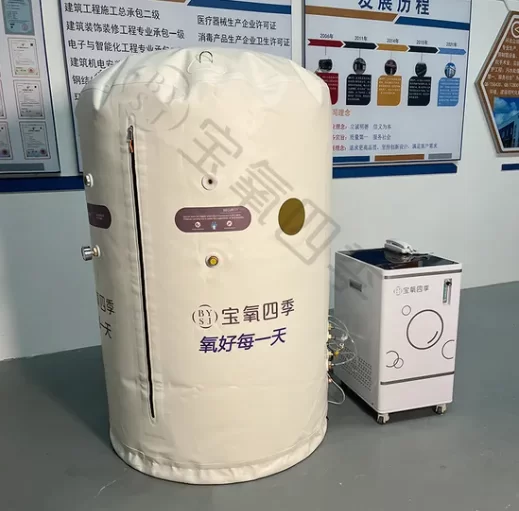
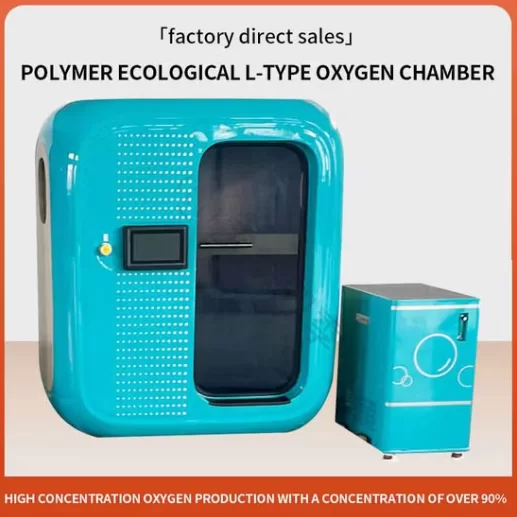
Advanced medical oxygen generator machine Solutions for Indonesia Healthcare

Providing high-purity oxygen and medical-grade air purification systems tailored for the tropical climate and healthcare infrastructure of the Indonesian archipelago.

Advanced medical oxygen generator machine Solutions for Indonesia Healthcare

Our integrated medical gas and air filtration systems ensure continuous oxygen supply and sterile environments for Indonesian hospitals, clinics, and home-care settings, optimizing patient outcomes in high-humidity regions.

Current State of Medical Respiratory Infrastructure in Indonesia

Analyzing the challenges of oxygen accessibility and air quality in Southeast Asia's largest economy.

Indonesia faces unique geographical challenges due to its archipelagic nature, making the logistics of liquid oxygen transport costly and inefficient for remote islands. This has led to an urgent demand for onsite oxygen generator for hospital systems that can produce medical-grade oxygen independently of external supply chains.

The high humidity and tropical climate of Indonesia exacerbate the proliferation of airborne pathogens and mold in clinical settings. Consequently, the integration of a high-efficiency hospital air purifier is no longer optional but a necessity to maintain sterile operating theaters and reduce hospital-acquired infections (HAIs).

Furthermore, the rise of chronic respiratory diseases in urban centers like Jakarta, coupled with an aging population, has shifted a significant portion of care to the home. This trend is driving the adoption of the home medical air purifier to protect vulnerable patients from urban smog and indoor pollutants.
Evolution of Medical Gas and Air Purification Technology

From cylinder dependency to intelligent, autonomous molecular sieve technology.

Market Development History

From 2000 to 2010, Indonesian healthcare relied heavily on imported compressed oxygen cylinders. This period was characterized by high operational costs and frequent supply shortages in outer-island provinces, creating a critical vulnerability in emergency response.

Between 2011 and 2019, the shift toward PSA (Pressure Swing Adsorption) technology began. Hospitals started installing stationary generators, reducing reliance on liquid oxygen tankers. Simultaneously, air filtration evolved from basic HEPA filters to more advanced medical therapeutics air purifier units capable of neutralizing viral loads.

Post-2020, the global pandemic accelerated the digital transformation of these devices. We saw the introduction of IoT-enabled monitoring for oxygen purity and remote filter replacement alerts, ensuring that life-support systems operate with 99.9% reliability without constant manual supervision.

Future Development Trends

AI-Driven Demand Forecasting

Integration of AI to predict oxygen consumption peaks based on patient admission rates, optimizing the energy efficiency of oxygen generators.

Nanofiber Filtration Matrices

Transitioning from traditional HEPA to electrospun nanofiber filters that offer lower pressure drops and higher capture rates for sub-micron particles.

Decentralized Home Care Ecosystems

The convergence of oxygen generation and air purification into a single, compact home-care unit for chronic obstructive pulmonary disease (COPD) patients.

Industry Trends and Future Outlook 2024-2029

Strategic foresight into the digitalization and localization of medical equipment in Asia.

Smart Oxygen Integration
Implementation of cloud-based monitoring for purity and pressure across multiple hospital wards.
Eco-Friendly Adsorbents
Developing Zeolite materials with higher stability in high-humidity environments to reduce energy use.
Portable Oxygenity
Miniaturization of PSA technology for rapid-deployment medical units in disaster-prone areas.
UVC-Integrated Filtration
Combining HEPA with Far-UVC light to instantly deactivate viruses in hospital hallways.

Industry Outlook

Google search trends for "medical oxygen autonomy" and "sterile air solutions" in Indonesia have shown a steady increase, indicating a paradigm shift toward self-sufficiency. The government's focus on strengthening primary healthcare (Puskesmas) suggests a growing market for mid-sized oxygen generators.

The future of the industry will be defined by "Localization." Equipment designed specifically for the high-salinity and high-humidity air of coastal Indonesian regions will outperform generic global models, leading to a new standard of regional engineering.

Localized Application Scenarios in Indonesia

Real-world deployment of respiratory and purification technology across the archipelago.

1. Remote Island Clinics in East Nusa Tenggara

Deployment of an oxygen generator for hospital to eliminate the need for dangerous boat transport of oxygen cylinders across turbulent seas.

2. Tertiary Hospitals in Jakarta Metro

Installation of industrial-scale hospital air purifier systems in ICU wards to combat high urban pollution and prevent cross-contamination.

3. Private Home-Care for Post-COVID Recovery

Utilizing a home medical air purifier to provide a sterile environment for patients recovering from lung fibrosis in residential areas.

4. Specialized Pulmonary Therapy Centers

Integrating a medical therapeutics air purifier into physiotherapy rooms to ensure patients breathe ultra-pure air during respiratory exercises.

5. Emergency Field Hospitals for Disaster Response

Rapid deployment of a compact medical oxygen generator machine during volcanic eruptions or floods where infrastructure is destroyed.

Brand Story

Global Development Journey of Hebei Lixin Medical Engineering Co., Ltd.

Foundation of Excellence

Started with a vision to democratize medical oxygen, focusing on the core engineering of PSA technology to solve oxygen shortages in underdeveloped regions.

Technological Breakthrough

Developed proprietary molecular sieve coatings that significantly increased oxygen purity and lifespan, setting a new industry benchmark for reliability.

Global Market Expansion

Successfully expanded into the Southeast Asian market, adapting equipment to survive extreme tropical humidity and unstable power grids.

Certification and Quality

Achieved international ISO and CE certifications, ensuring every machine meets the most stringent global medical safety standards.

Commitment to Life

Our mission is to ensure that no patient, regardless of their location in Indonesia or worldwide, suffers from a lack of breathable oxygen or clean air.

Indonesia Medical Equipment FAQ

Answers to common technical and operational questions for the Indonesian market.

How does the medical oxygen generator machine handle high humidity in Indonesia?

Our machines are equipped with advanced industrial-grade refrigeration dryers and pre-filtration systems that remove moisture from the air before it reaches the molecular sieve, ensuring 93%±3% purity regardless of humidity.

What is the difference between a standard purifier and a medical therapeutics air purifier?

Unlike consumer units, a medical therapeutics air purifier uses H13/H14 HEPA filters and medical-grade antimicrobial coatings specifically designed to remove 99.97% of clinical pathogens and volatile organic compounds (VOCs).

Can a hospital air purifier be used in surgical operating rooms?

Yes, our professional hospital air purifier series is designed for high-exchange rates and laminar flow, effectively creating a sterile zone that minimizes the risk of airborne contamination during surgery.

Is the home medical air purifier easy to maintain for non-technical users?

Absolutely. The home medical air purifier features a tool-less filter replacement system and a smart indicator light that notifies the user exactly when the filter needs to be changed.

What power requirements are needed for an oxygen generator for hospital?

Our generators are compatible with Indonesian voltage standards (220V/50Hz). We also recommend integrating them with a stabilizer or UPS to prevent damage from power fluctuations common in rural areas.

How long is the lifespan of the molecular sieve in an oxygen generator?

With proper maintenance and the use of our integrated air dryers, the molecular sieve typically lasts 5-8 years, providing a sustainable and cost-effective alternative to cylinder refills.

Ready to Upgrade Your Medical Infrastructure?

Our technical team is ready to provide customized respiratory and purification solutions across Indonesia. Contact us for a professional site assessment.

Contact Us Now

If you are interested in our products, you can choose to leave your information here, and we will be in touch with you shortly.