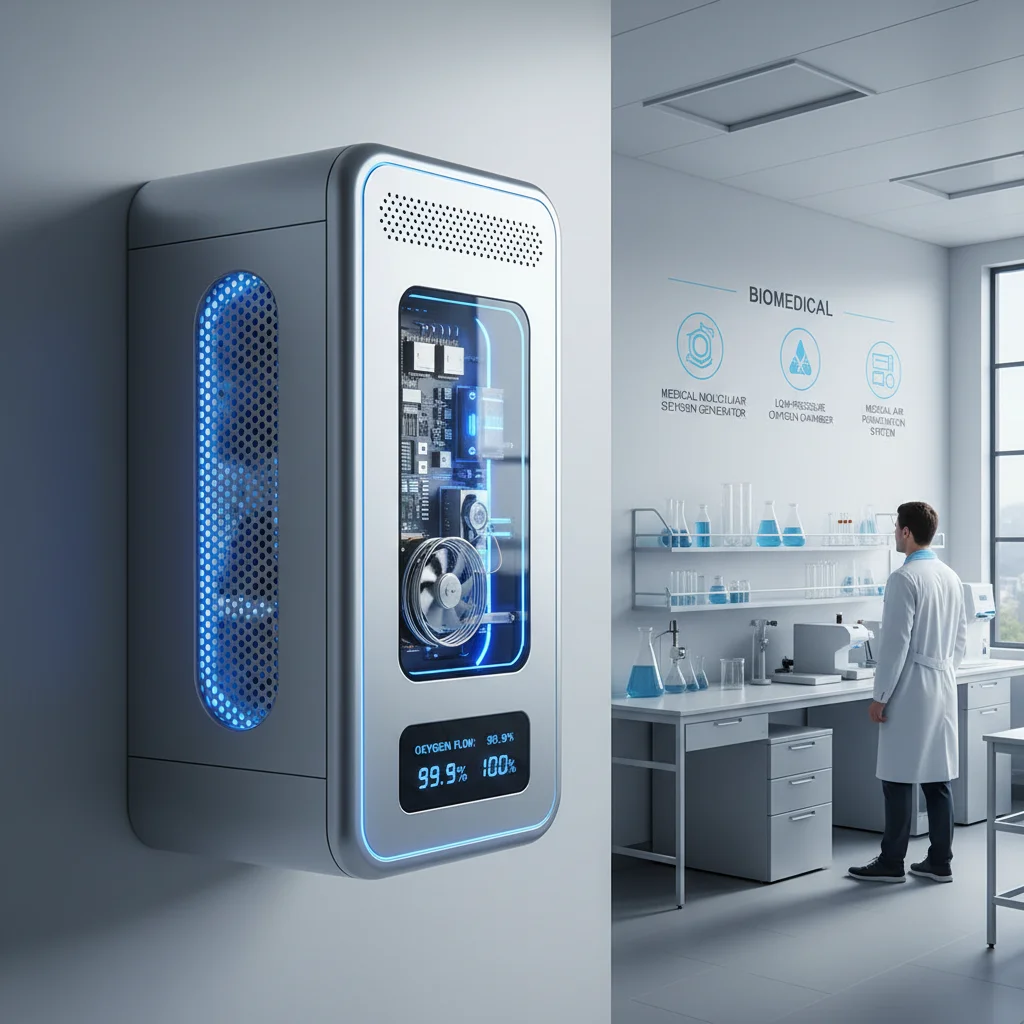
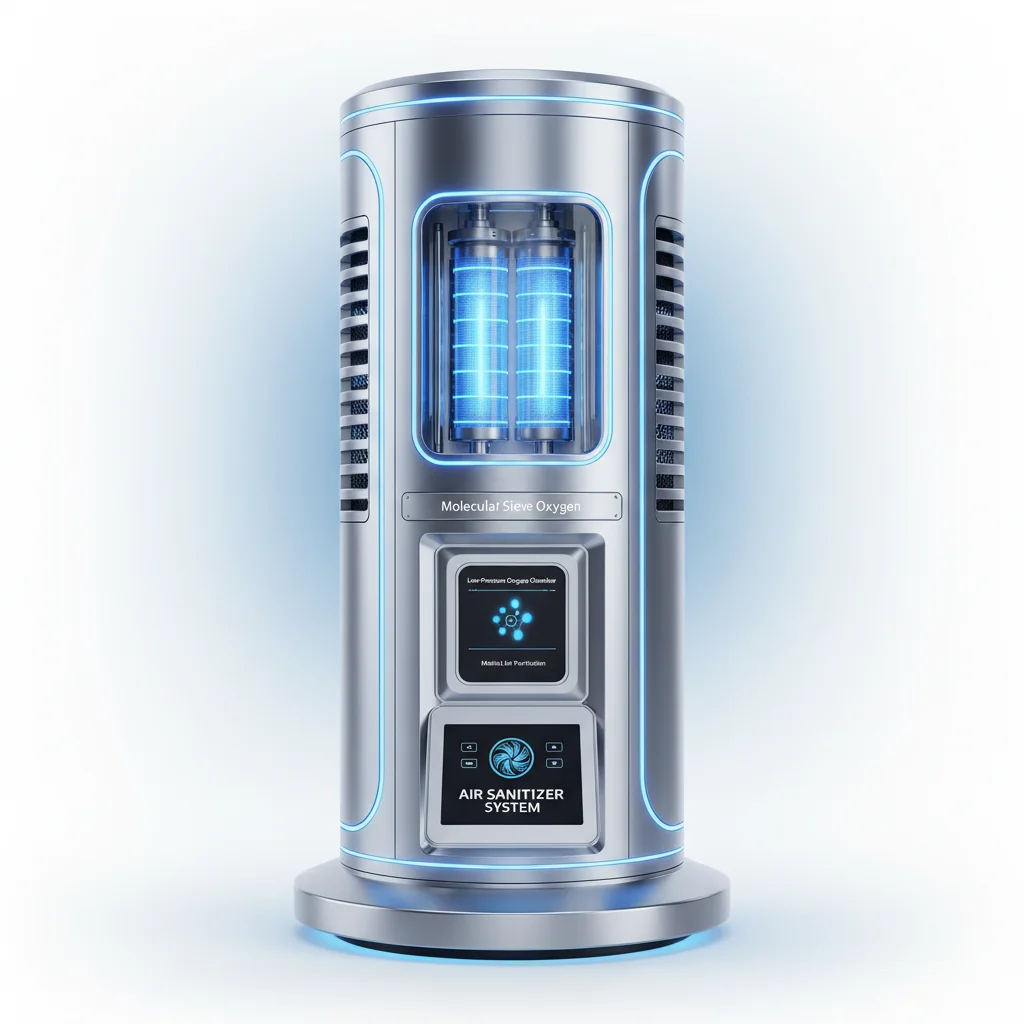
The pursuit of optimal indoor air quality has become a global priority, particularly in clinical environments where the stakes for patient recovery and staff safety are highest. A high-performance hospital air purifier is no longer just an accessory but a critical component of modern healthcare infrastructure, ensuring that airborne contaminants are minimized to prevent healthcare-associated infections. By integrating advanced filtration and circulation technologies, these systems create a sterile sanctuary that supports the healing process.
Globally, the demand for specialized air treatment has surged as medical facilities face the challenge of managing diverse pathogens and volatile organic compounds. According to international healthcare standards, maintaining strict air purity levels is essential for reducing mortality rates in intensive care units and surgical suites. The implementation of a robust hospital air purifier system addresses these challenges by providing consistent, medical-grade air exchange that meets stringent regulatory requirements.
In the context of advanced wellness, the synergy between air purity and oxygen therapy is transformative. While a hospital air purifier manages the removal of toxins, technologies like the Micro Pressure Hyperbaric Oxygen Chamber enhance the delivery of life-sustaining oxygen to the body's tissues. Together, these innovations ensure that the environment is not only clean but actively supportive of cellular repair and systemic health.

The Role of Air Purification in Clinical Settings
The integration of a hospital air purifier within a clinical setting serves as the first line of defense against airborne pathogens. By utilizing high-efficiency particulate air (HEPA) filters and advanced UV sterilization, these systems effectively eliminate bacteria, viruses, and allergens that can compromise patient health. This is particularly vital in areas such as oncology wards or neonatal units, where patients possess compromised immune systems.
Beyond pathogen control, these systems manage the concentration of anesthetic gases and chemical fumes common in surgical environments. By maintaining a constant flow of purified air, healthcare providers can ensure a safer working environment for surgeons and nurses, reducing fatigue and long-term exposure to harmful volatile organic compounds (VOCs).
Core Components of Medical Air Treatment Systems
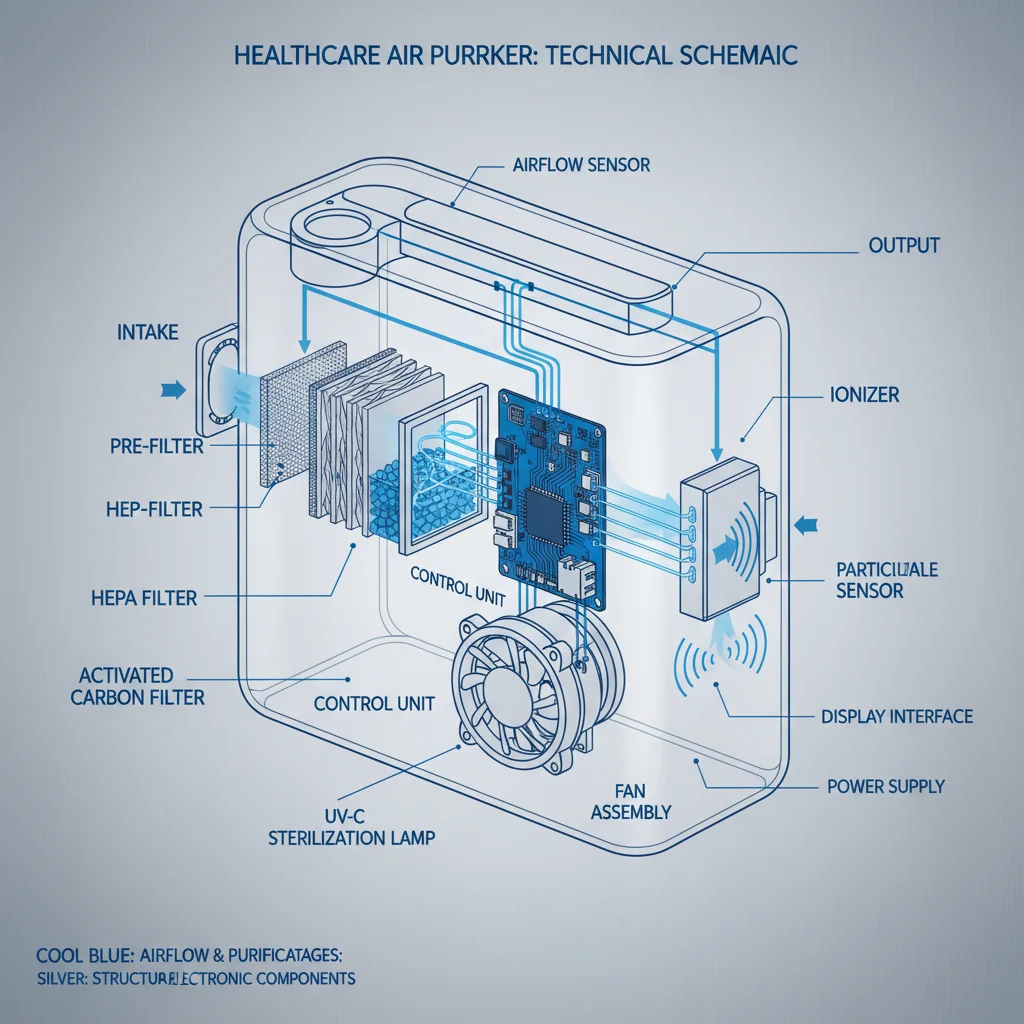
The effectiveness of a professional air treatment system relies on a multi-stage filtration architecture. The primary stage typically involves pre-filters that capture large particles, followed by specialized medical-grade filters capable of trapping particles as small as 0.3 microns. This ensures that the air circulating through the facility is stripped of the vast majority of biological contaminants.
In addition to filtration, many high-end systems incorporate intelligent monitoring and automated control units. These components track real-time air quality indices, adjusting fan speeds and filtration intensity based on the current pollutant load. Such automation ensures energy efficiency while maintaining a strict sterile environment without requiring constant manual oversight.
Durability and material science also play a critical role. Medical-grade casings are often constructed from non-porous, antimicrobial materials that resist corrosion from harsh chemical disinfectants. This ensures that the unit itself does not become a breeding ground for bacteria, maintaining the integrity of the purified air it delivers.
Synergy Between Air Purity and Hyperbaric Oxygen
True holistic recovery is achieved when a clean environment is paired with advanced therapy. A hospital air purifier ensures that the ambient air is free from irritants, which is the essential prerequisite before a patient enters a Micro Pressure Hyperbaric Oxygen Chamber. When the air is pure, the body can focus entirely on the therapeutic absorption of oxygen.
The Micro Pressure Hyperbaric Oxygen Chamber operates at 1.0-1.3 ATA, significantly enhancing oxygen uptake and microcirculation. By integrating advanced air purification within the chamber itself, it mirrors the efficacy of a hospital air purifier, ensuring that the high-pressure oxygen flow is clean, safe, and free from contaminants, which accelerates cellular metabolism and repair.
For beauty centers and athletic recovery hubs, this combination is invaluable. The ability to breathe purified, oxygen-rich air allows for the repair and strengthening of blood vessel walls and improved blood flow. This dual approach—cleaning the environment with a hospital air purifier and enriching the blood with hyperbaric technology—represents the pinnacle of modern wellness.
Performance Metrics for Hospital Grade Filtration
Evaluating the efficiency of air treatment requires a focus on several key performance indicators (KPIs). The most critical is the Clean Air Delivery Rate (CADR), which measures how quickly a system can remove pollutants from a specific volume of space. In a medical context, this must be balanced with noise levels to ensure that patient sleep and recovery are not disturbed.
Another essential metric is the pressure drop across the filter, which indicates the filter's lifespan and the efficiency of the motor. High-performance systems maintain a consistent flow rate even as filters accumulate particles, ensuring that the air purification remains effective throughout the maintenance cycle.
Comparative Efficiency of Air Purification Methods
Global Applications in Modern Healthcare
From high-tech metropolitan clinics in Asia to remote healthcare centers in Africa, the deployment of air purification technology is saving lives. In post-disaster relief operations, portable units are used to create makeshift sterile zones, preventing the spread of secondary infections among displaced populations.
Furthermore, the wellness industry has adopted these medical standards. Luxury spas and athletic recovery centers now utilize a combination of a hospital air purifier and micro-pressure chambers to offer "bio-hacking" services that promote rapid muscle recovery and skin rejuvenation for professional athletes and high-net-worth individuals.
Long-term Value of Environmental Control
The investment in a high-quality air purification system yields tangible long-term financial and social benefits. By reducing the rate of hospital-acquired infections, facilities can significantly lower the cost of prolonged patient stays and legal liabilities. This operational efficiency allows healthcare providers to allocate more resources to direct patient care.
Beyond the economics, there is an emotional value in providing a clean, safe environment. Patients experience less anxiety when they know the air they breathe is purified, and staff morale improves when the workplace is optimized for health. Trust in the medical institution is strengthened when visible commitment to hygiene and air quality is evident.
Sustainability is also a key driver. Modern systems are designed with energy-efficient motors and recyclable filter components, reducing the carbon footprint of the facility. By choosing eco-friendly, non-toxic materials in the construction of chambers and purifiers, the industry is moving toward a greener future of medical wellness.
Future Trends in Medical Air Technology
The future of air purification lies in the integration of AI-driven predictive maintenance. Future systems will not only react to current air quality but will predict pollutant spikes based on hospital traffic and external weather patterns, adjusting filtration levels proactively to maintain a perfect sterile state.
We are also seeing a shift toward "Smart-Chambers" where the oxygen delivery system and the air purifier are fully synchronized. These systems will monitor the patient's blood oxygen levels in real-time and adjust both the atmospheric pressure and the air purity level to optimize the healing rate for specific medical conditions.
Finally, the development of nanomaterials will lead to filters that are not only more efficient but self-cleaning. This will reduce the need for frequent manual filter replacements, lowering waste and ensuring that the air purification process remains uninterrupted and highly reliable over many years of service.
Analysis of Advanced Air Purification and Oxygen Therapy Integration
| Technology Type |
Primary Function |
Clinical Impact |
Efficiency Score (1-10) |
| HEPA Hospital Purifier |
Particulate Removal |
Prevents Infection |
10 |
| Micro-Pressure Chamber |
Oxygen Saturation |
Cellular Repair |
9 |
| UV-C Sterilizers |
Pathogen Neutralization |
Surface & Air Safety |
8 |
| Carbon Filtration |
VOC Absorption |
Odour & Gas Control |
7 |
| Smart Monitoring |
Real-time Analysis |
Operational Precision |
9 |
| Eco-friendly Shells |
Containment |
Environmental Health |
8 |
FAQS
Hospital air purifiers are designed for continuous, high-frequency use in contaminated environments. They utilize higher-grade HEPA filtration, often paired with UV-C sterilization and antimicrobial casings, and are capable of processing much larger volumes of air per hour (CADR) compared to consumer models to meet strict clinical sterility standards.
No, they serve different but complementary purposes. While the chamber focuses on increasing oxygen concentration and pressure to aid healing, an air purifier removes pollutants and pathogens from the environment. Using both ensures that the patient is not only receiving therapeutic oxygen but is doing so in a contaminant-free space.
Replacement schedules vary by usage and pollutant load, but typically, pre-filters are checked monthly, and primary HEPA filters are replaced every 6 to 12 months. Advanced systems with real-time monitoring can alert staff exactly when the pressure drop indicates that a filter is saturated and needs replacement.
Micro pressure chambers (1.0-1.3 ATA) are generally safe for a wide range of users, including seniors and fitness enthusiasts. However, individuals with specific medical conditions, such as certain lung diseases or severe cardiovascular issues, should consult a physician before beginning therapy to ensure the pressure levels are appropriate for their health status.
Yes, modern medical air purifiers utilize energy-efficient BLDC motors and smart sensors. By adjusting the filtration intensity based on the actual air quality readings rather than running at full power constantly, these systems significantly reduce energy consumption while maintaining a sterile environment.
Look for CE certification, ISO standards for air quality, and specific medical device certifications. These ensure that the product has undergone rigorous testing for safety, electromagnetic compatibility, and filtration efficiency, guaranteeing it is suitable for professional healthcare applications.
Conclusion
The integration of professional-grade air purification and advanced oxygen therapy represents a paradigm shift in medical wellness. By combining the contaminant-removal capabilities of a hospital air purifier with the physiological benefits of micro-pressure oxygen chambers, healthcare providers can create a synergistic environment that accelerates recovery and prevents infection. This holistic approach ensures that patients are treated in a space that is not only sterile but actively promotes cellular regeneration.
As we look toward the future, the convergence of AI and material science will only enhance the precision and sustainability of these systems. Investing in these technologies is a commitment to patient dignity, safety, and long-term health outcomes. To explore how these advanced solutions can be integrated into your facility, visit our website: www.storeoxygen.com.