The global demand for reliable respiratory support has catalyzed the evolution of oxygen delivery systems, moving from cumbersome cylinder logistics to integrated on-site production. A medical oxygen generator plant represents the pinnacle of this transition, offering healthcare facilities the ability to produce high-purity oxygen directly from ambient air, thereby eliminating the risks and costs associated with liquid oxygen transport.
In modern clinical environments, the stability of oxygen supply is not merely an operational preference but a critical safety requirement. Whether in large-scale hospitals or specialized clinics, the integration of a localized generation system ensures that life-saving therapy is available 24/7, regardless of external supply chain disruptions or geographical isolation.
By leveraging advanced Pressure Swing Adsorption (PSA) technology, a medical oxygen generator plant provides a sustainable, cost-effective, and scalable solution for managing respiratory health on a systemic level, ensuring that patients with COPD, asthma, and hypoxemia receive consistent care.

The Technological Foundation of Medical Oxygen Generation
At the heart of a modern medical oxygen generator plant is the Molecular Sieve Pressure Swing Adsorption (PSA) process. This technology utilizes specialized zeolite materials to selectively adsorb nitrogen from the air under high pressure, allowing high-purity oxygen to pass through. This continuous cycle ensures a steady flow of medical-grade oxygen without the need for chemical reactions or cryogenic cooling.
The efficiency of this system is evidenced by the ability to achieve purity levels between 90% and 96%, meeting the stringent requirements for respiratory therapy. By automating the pressure swing cycles, these plants can operate autonomously, reducing the burden on hospital staff while maintaining an uninterrupted supply of oxygen for critical care units.
Global Significance and Clinical Demand
The global healthcare landscape has faced unprecedented challenges in oxygen accessibility, particularly in remote regions where the logistics of transporting heavy cylinders are prohibitive. The implementation of a medical oxygen generator plant solves this fundamental crisis by decentralizing production, transforming hospitals from passive consumers of oxygen into independent producers.
According to international health standards, the availability of medical oxygen is a key indicator of a healthcare system's resilience. In many developing nations, the shift toward on-site generation has reduced the cost per liter of oxygen by significant margins, allowing clinics to treat a larger volume of patients suffering from acute respiratory distress syndrome (ARDS) and chronic lung diseases.
Beyond the economic advantages, there is a profound humanitarian impact. By ensuring a reliable oxygen source, these systems prevent the "oxygen droughts" that often occur during pandemics or natural disasters, thereby upholding the dignity and right to life for patients in the most vulnerable circumstances.
Core Components and Operational Principles
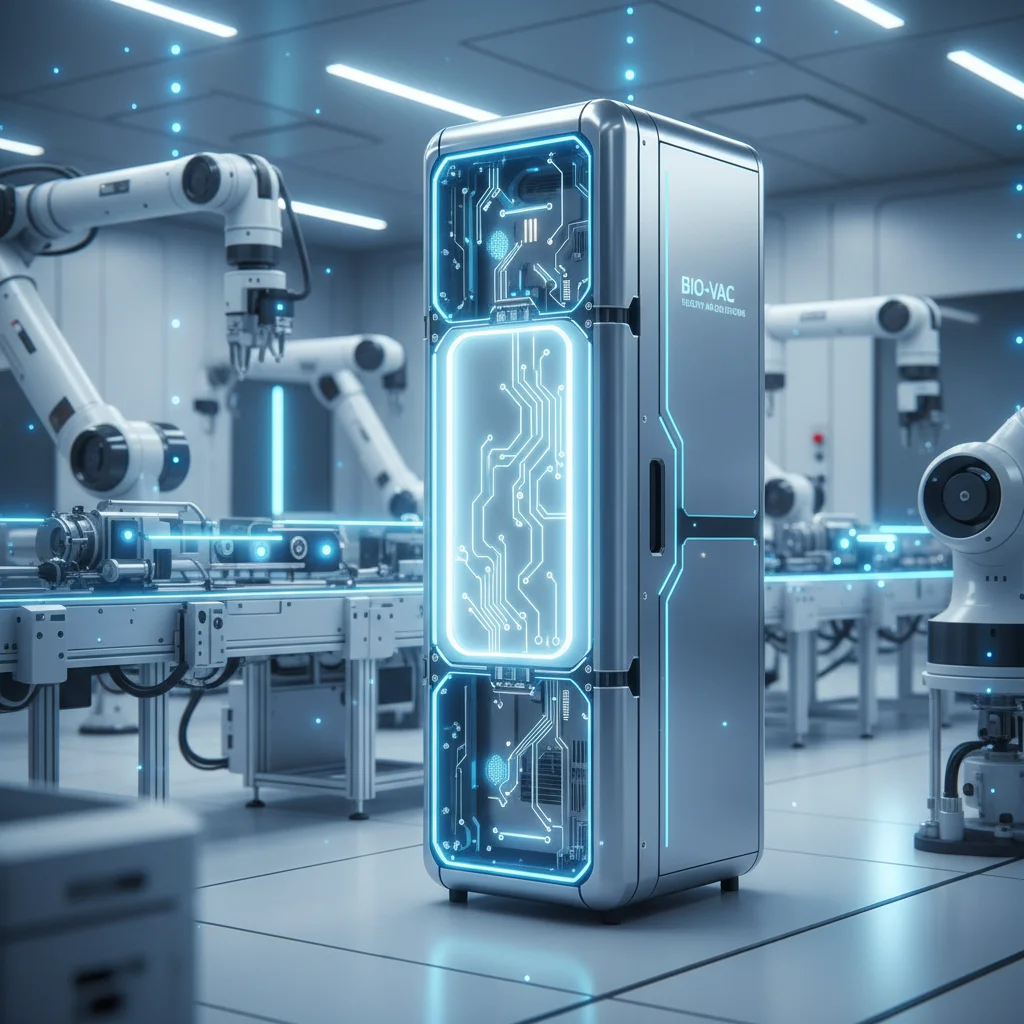
The architecture of a medical oxygen generator plant is designed for maximum reliability and purity. Key components include the air compressor, which draws in ambient air; the purification system, which removes moisture and oil; and the PSA towers where the actual nitrogen separation occurs. This sequence ensures that the final output is free from contaminants.
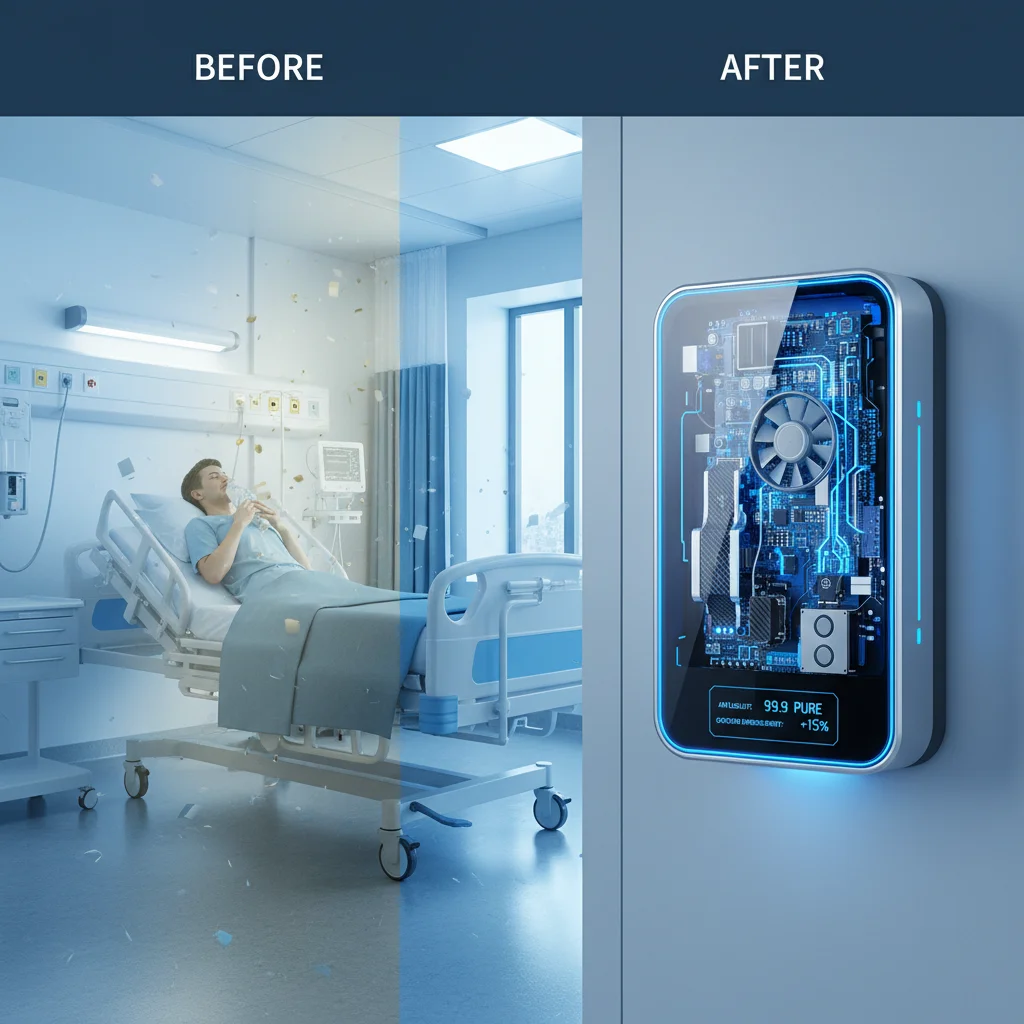
Central to the operational success of a medical oxygen generator plant is the control system, which monitors oxygen purity in real-time. Advanced sensors detect drops in concentration, triggering alarms or diverting off-spec gas to ensure that only oxygen meeting the 90-96% purity threshold reaches the patient's bedside.
Furthermore, the integration of storage tanks allows the plant to build a reserve, managing peak demand periods without compromising the system's stability. This buffer capacity is essential for surgical suites and emergency departments where oxygen consumption can spike unexpectedly.
Performance Metrics and Efficiency Analysis
Evaluating the effectiveness of a medical oxygen generator plant requires a focus on energy consumption, purity stability, and noise levels. Modern systems are engineered to operate at low decibels (typically under 40dB for smaller units) to maintain a healing environment in hospitals and nursing homes.
Energy efficiency is achieved through optimized pressure cycles and the use of high-performance molecular sieves, which reduce the electrical load required to maintain the adsorption process. This makes the transition to on-site generation not only a clinical upgrade but a financial benefit over the long term.
Efficiency Comparison of Medical Oxygen Generator Plant Configurations
Real-World Applications in Healthcare
The versatility of a medical oxygen generator plant allows it to be deployed across various scales of care. In large hospitals, these plants serve as the primary source for central piping systems, delivering oxygen to every ward. In contrast, smaller clinics utilize compact concentrators that provide high-purity support for individual patients in home-care or outpatient settings.
In remote or plateau regions, where atmospheric pressure is lower, specialized dispersion generators are used to maintain the required oxygen concentration. This adaptability ensures that high-quality respiratory therapy is not limited by geography, providing essential support in nursing homes and specialized respiratory centers worldwide.
Long-Term Value and Sustainability
Investing in a medical oxygen generator plant offers substantial long-term economic value by eliminating the recurring costs of oxygen procurement and delivery. The reduction in dependence on external suppliers mitigates the risk of price volatility and ensures that the cost of care remains predictable for healthcare providers.
From a sustainability perspective, on-site generation drastically reduces the carbon footprint associated with the transport of heavy oxygen cylinders. By producing oxygen where it is consumed, facilities minimize fuel consumption and the environmental impact of industrial gas logistics.
Moreover, the reliability of these systems fosters a deeper sense of trust between patients and caregivers. Knowing that the oxygen supply is autonomous and backed by a comprehensive safety system—including alarms for purity and power failure—allows medical professionals to focus entirely on patient recovery.
Future Innovations in Oxygen Production
The future of the medical oxygen generator plant lies in the integration of smart automation and green energy. We are seeing a shift toward AI-driven monitoring systems that can predict maintenance needs before a component fails, ensuring zero downtime for critical care systems.
Advancements in material science are also producing next-generation molecular sieves with higher adsorption capacities, which will further reduce the energy required to produce high-purity oxygen. These innovations will make systems even more compact and efficient, expanding their utility in emergency field hospitals.
Additionally, the movement toward carbon-neutral healthcare is pushing for the integration of solar-powered generation plants. This will enable the most remote regions of the world to achieve complete oxygen independence, fundamentally changing the landscape of global respiratory health.
Comparative Analysis of Oxygen Generation System Specifications
| System Type | Purity Range | Energy Efficiency | Deployment Scale |
|---|
| Compact Concentrator | 90% - 96% | High | Home/Small Clinic |
| Modular PSA Plant | 93% - 95% | Medium | Mid-sized Hospital |
| Central Generator Plant | 93% - 96% | Optimized | Large Medical Center |
| Portable Therapy Unit | 90% - 93% | Very High | Patient Mobile Use |
| Plateau-Specific Plant | 90% - 95% | Medium | High Altitude Zones |
| Industrial Med-Grade Plant | 93% - 99% | High Scale | Regional Hubs |
FAQS
Most medical-grade generation plants utilize PSA technology to produce oxygen with a purity range of 90% to 96%. This range is clinically sufficient for treating a wide variety of respiratory conditions, including COPD and acute hypoxemia, ensuring patients receive effective therapeutic support.
On-site generation is generally more cost-effective and reliable over the long term. It eliminates the logistical challenges and costs of cylinder transport, reduces the risk of supply chain interruptions, and provides a continuous, automated flow of oxygen that is more sustainable for large-scale medical facilities.
Yes, compact versions of these plants are specifically engineered for home use. They feature low noise levels (typically below 40dB), user-friendly controls, and integrated safety alarms that notify caregivers of power failures or purity drops, making them safe and efficient for long-term residential therapy.
Maintenance primarily involves the regular replacement of air filters to ensure no contaminants enter the molecular sieve and the periodic checking of the compressor's oil and pressure settings. Most modern systems include smart diagnostics that alert operators when maintenance is required.
Absolutely. Modular designs allow healthcare facilities to start with a base capacity and add additional PSA towers or storage tanks as patient volume increases. This scalability ensures that the investment remains aligned with the actual clinical demand of the institution.
Yes, medical-grade generators must adhere to strict standards such as ISO 13485 and CE certification to ensure they meet safety and quality requirements for clinical use. Always verify that the equipment possesses the necessary regulatory approvals for your specific region.
Conclusion
The transition toward the adoption of a medical oxygen generator plant marks a significant leap in healthcare autonomy and patient safety. By combining PSA technology with rigorous safety standards and energy-efficient designs, these systems provide a reliable, sustainable, and cost-effective alternative to traditional oxygen supply chains. From the high-purity output required in critical care to the portability needed for home recovery, the ability to generate oxygen on-site is fundamentally improving respiratory care outcomes globally.
As we look toward the future, the integration of AI and green energy will further refine these systems, making life-saving oxygen accessible even in the most remote corners of the world. For healthcare providers and institutions seeking to enhance their resilience and reduce operational costs, investing in localized oxygen production is not just a strategic choice, but a commitment to superior patient care. Visit our website for more information: www.storeoxygen.com